
• Skip to main content

    Analysis

    Final Thoughts

    Written by John Packard


    There have been a number of master sheets showing projected steel mill maintenance outages for the last couple weeks of September through the end of this calendar year. Steel Market Update (SMU) is following through with our mill sources, as well as steel buyers, to see if we can confirm the outages and if there is any need for buyers to be concerned about receiving their orders as promised. The initial projection has close to one million tons of production being impacted.

    From my perspective and experience, I do not see any need for alarm based on what I have seen so far. Most of the flat rolled mills are taking short outages on their rolling equipment (hot strip mill, cold mill, coating lines), which is normal for this time of year. I am not yet sharing the list as I have reached out to a number of the steel mills to see if they will confirm (or correct) what we have seen from steel buyers. We did get a couple of responses prior to going to publication, but there were still a couple left that I wanted to confirm if possible. I will share a flat rolled maintenance list with our readers on Thursday.

    Latest in Analysis

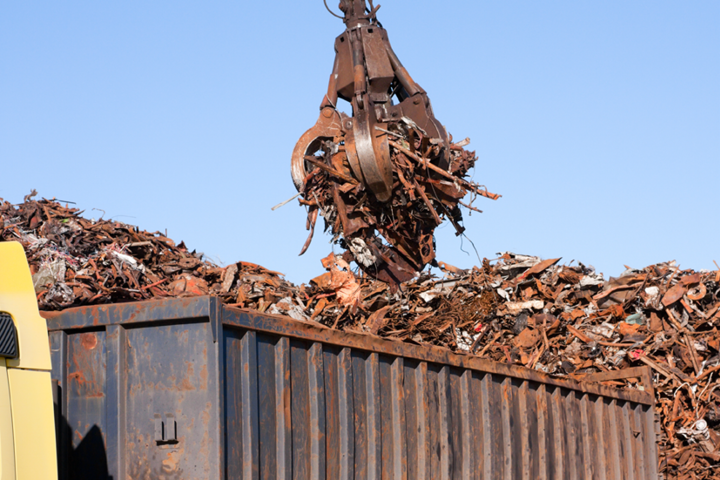
    November scrap prices rise as market nears settle

    November scrap procurement has commenced in the US with buyers divided on the price increases from the previous month. Several mills reportedly sought a rise of $20 per gross ton (gt) while others saw $30/gt as the number. The $30/gt price tag mainly applies to the obsolete grades, like shredded, P&S and #1 HMS, with prime grades pulling up the rear at $20. SMU spoke to a Chicago-based source who said that market was up $30/gt and 20/gt on shredded and busheling, respectively. He also mentioned the integrated mills in this district are after heavier grades like P&S and railroad grades, like wheels. These grades have been in short supply since last summer. Our source believes they commanded prices up $30/gt while busheling was at plus $20.

    SMU scrap market survey results now available

    SMU’s November ferrous scrap market survey results are now available on our website to all premium members. After logging in at steelmarketupdate.com, visit the Pricing and Analysis tab and look under the “survey results” section for Ferrous Scrap Survey results. Past scrap survey results are also available under that selection. If you need help accessing the survey results or if your company would like to have your voice heard in our future surveys, contact smu@crugroup.com.

    Scrap export market activity perks up

    There has been an upsurge in Turkish deep-sea scrap buying over the last week for December shipment. Prices paid increased but not as much as the trade expected.cDuring the last week, Turkey-based steelmakers bought at least seven cargoes, largely from the UK and Northern European suppliers, while virtually shunning higher priced US scrap. The initial wave of sales of HMS 80/20 ranged from $395-$398.50 per metric ton (mt) on a CFR basis. This equated to an average increase of less than $5/mt. The was one cargo bought later at $401/mt from this region.

    Market chatter: Supply, not price, dominates steel buyers’ concerns

    On Monday and Tuesday of this week, SMU polled steel buyers on an array of topics, ranging from market prices, demand, and inventories to tariffs, imports, and evolving market events. We are sharing a selection of the comments we received below, in each buyer’s own words. Before diving in, we reviewed all the responses collected and compiled these key takeaways: Respondents overwhelmingly anticipate further increases. Buyers cite limited supply, mill delays, low inventories, and steady-to-strong demand. Most say demand is generally stable to improving, with some purchasing driven by fears of higher prices or unavailable material rather than stronger underlying consumption. Most respondents report faster inventory turnover, while shortages are constraining sales and, in some cases, prompting customer allocations. Buyers increasingly see imports as a way to secure scarce material, though domestic-origin requirements, delivery timing, and pricing risks remain obstacles.