Plate
November 30, 2021
SMU Price Ranges & Indices: HR Down, CR/Coated Flat, Plate Up
Written by Brett Linton
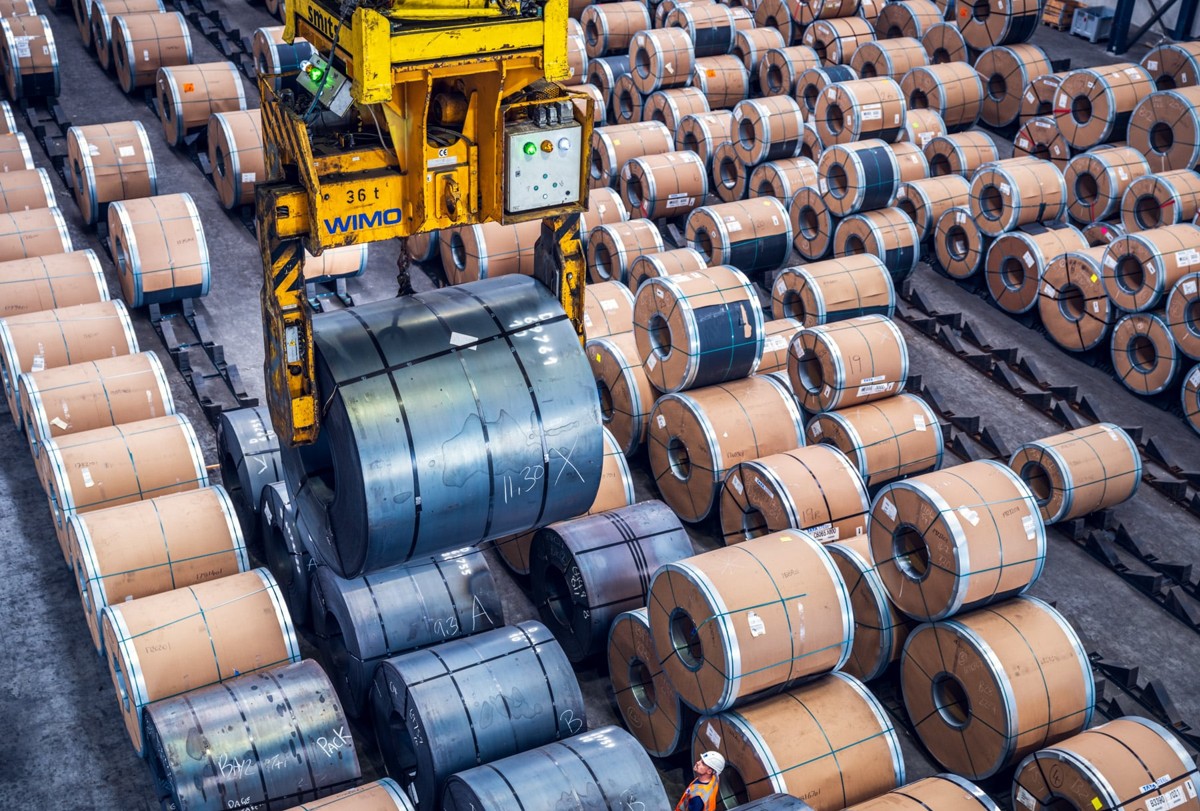
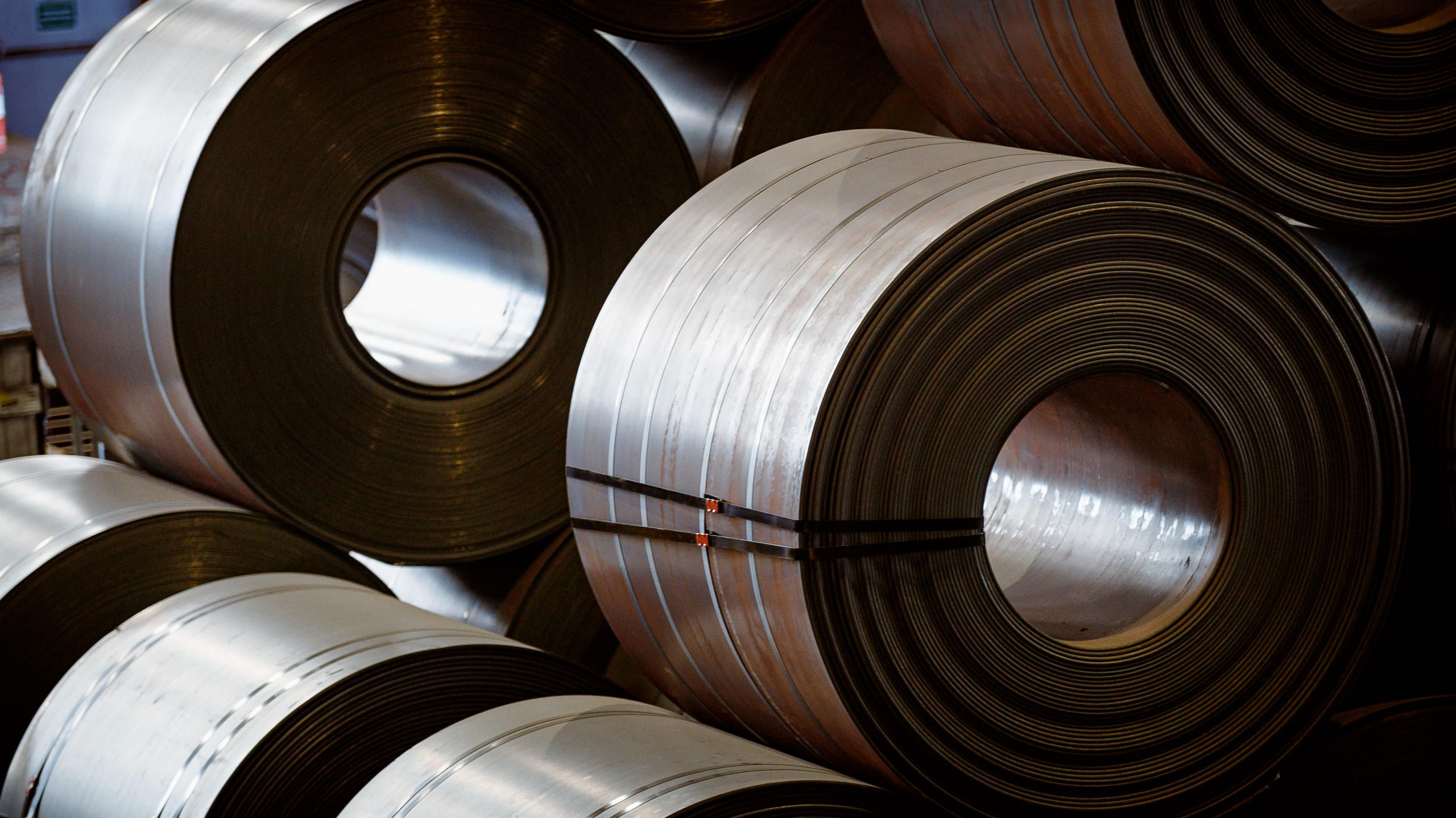
Plate prices moved up this week as recent mill price increases gained some traction, but prices for sheet products were flat to down, based on Steel Market Update’s check of the market on Monday and Tuesday. The plate price was up $60 to an average of $1,835 per ton, while hot rolled coil was down another $10 to $1,770 per ton. The downtrend for HRC that began in early September appears to be continuing, though at a modest pace. Asked if they were seeing any acceleration in the pace of steel price declines, most buyers responding to SMU’s survey described it as “a slow slide” or “subtle softness.” Commented one: “Still no panicked calls from the mills looking for orders.” SMU’s Price Momentum Indicators are pointing Lower for all flat rolled products – meaning we anticipate further price declines in the next 30 days – but plate momentum remains at Neutral until the price direction is more clearly established.
Hot Rolled Coil: SMU price range is $1,700-$1,840 per net ton ($85.00-$92.00/cwt) with an average of $1,770 per ton ($88.50/cwt) FOB mill, east of the Rockies. The lower end of our range increased $40 per ton compared to last week, while the upper end decreased $60 per ton. Our overall average is down $10 per ton from one week ago. Our price momentum on hot rolled steel is at Lower, meaning we expect prices to decrease over the next 30 days.