Analysis
June 5, 2025
Hybar rolls first rebar, ramping up Arkansas mill commissioning
Written by Laura Miller
Hybar LLC has officially joined the ranks of American steel producers.
Update on mill in northeast Arkansas
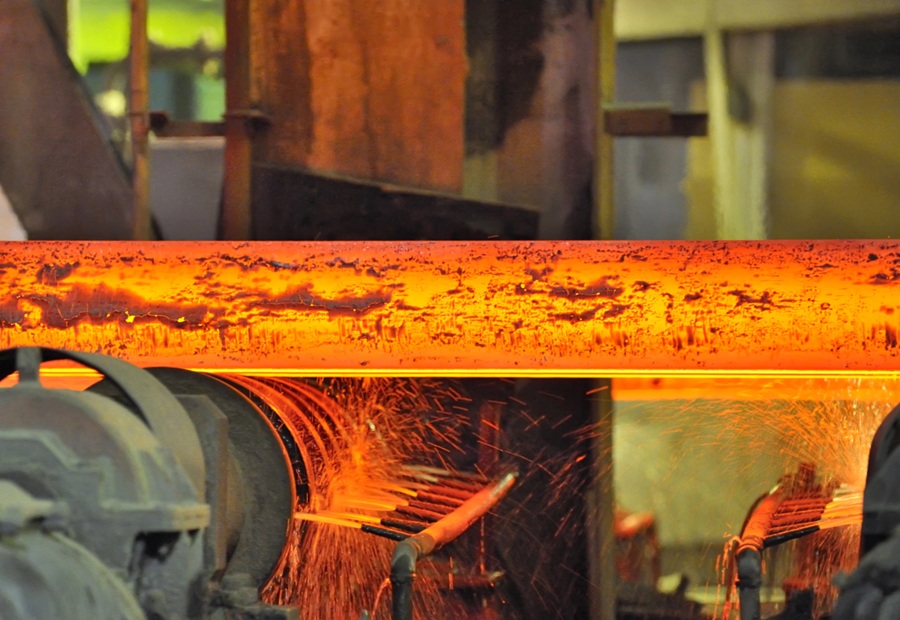
At the end of May, the startup steelmaker produced its first rebar at its greenfield steel mill on a 1,300-acre campus in Osceola, Ark., marking a key milestone by completing construction in 22 months.
“Mission accomplished,” CEO Dave Stickler said of the achievement. “Hats off to the Hybar team and our construction contractors for a job well done.”
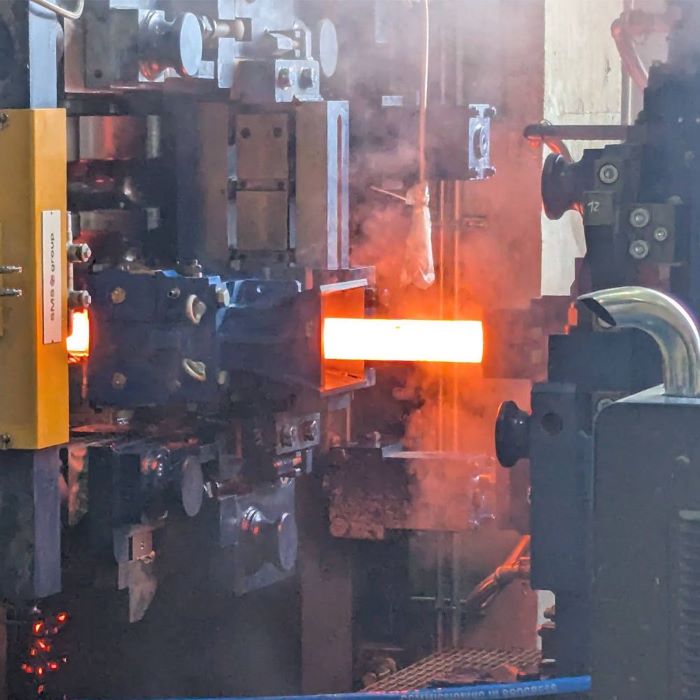
In an interview this week, Stickler told SMU the company purchased 100 billets from Steel Dynamics Inc. (SDI), with the first billet rolled into rebar on the evening of May 28. Commissioning of the 105-ton DC electric-arc furnace and the continuous caster is expected to begin in the next month.
Despite the higher capital cost, the company opted to install a DC (direct current) EAF supplied by the SMS group, Stickler noted. “They’re a bit more finicky to operate, but once you get them dialed in, you’re going to have energy efficiencies of at least 10%,” he explained.
“We’ll have a 40-ton hot heel in this baby,” he added. “We’ll be able to run this mill like a Ferrari.”
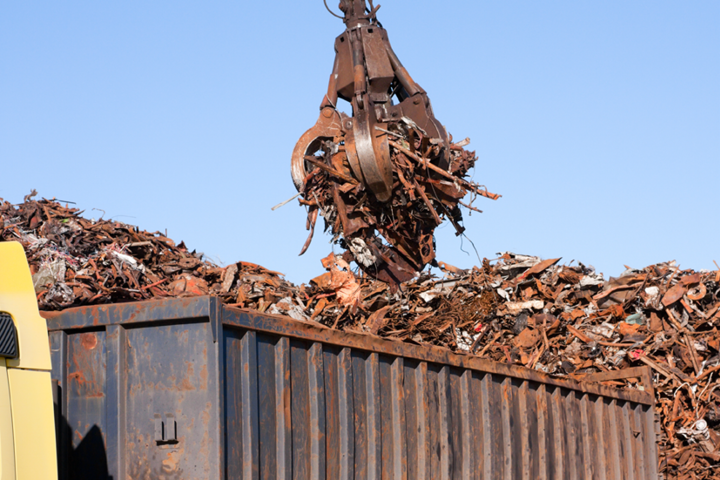
He said the mill will use 700,000 gross tons, or 770,000 short tons, of primarily secondary grades of ferrous scrap. In a “scrap-rich” US market, he doesn’t foresee problems sourcing scrap for the mill.
Some at the company are eyeing Independence Day for the furnace’s first arc. “When you drop the scrap into a furnace, I mean, it looks like Fourth of July on steroids,” he said.
Also within the next 30 days, the company will complete the commissioning of the rolling mill, finishing facility, and water treatment facility, Stickler said.
Hybar expects the mill to be fully commissioned by the end of June or the beginning of July, with full commercial production expected later this summer. Stickler said they are targeting a minimum of 200,000 st of rebar production in the back half of this year.
The mill has an annual nameplate capacity of 630,000 st. But after seeing the mill and his team’s capabilities, Stickler anticipates they can push that figure closer to 700,000 st per year.
He noted the company has three big customers that have essentially already spoken for close to 50% of the mill’s anticipated annual output.
Green and clean sustainable steel
Green & Clean Terminals runs the adjacent Mississippi River port, and Green & Clean Power operates the on-site solar and battery storage facility. Green & Clean Holdings is the parent company of the three entities (Hybar included).
The company has been operating and generating revenue from its river port since January, unloading aggregates and scrap and loading agricultural products onto barges, Stickler noted.
Hybar’s power infrastructure includes a behind-the-meter solar and battery storage system designed to enable 100% renewable-powered steelmaking when conditions allow. “Once we get everything all perfectly tied together and the sun’s shining, we’ll make rebar with 100% renewable power,” Stickler stated.
The industry veteran said he does not expect customers to pay more money for “the greenest rebar in the world.” But he does expect it to be a selling point for some customers.
“Everything else being equal – the price, the payment terms, the friendliness of the commercial team – some customers would prefer to buy renewable, sustainable construction materials rather than construction materials produced in plants that were built 80, 90, in some cases, even 100 years ago,” Stickler said.
Hybar has ambitious growth plans, including the construction of three more rebar mills and, potentially, a sheet mill. The company is looking at sites for the next two mills and hopes to make an announcement later this year.
Current market
Stickler said the construction market is showing mixed signals. The market typically heats up during the summer. However, he noted the tariff situation is creating uncertainty. He believes until there is clarity on global tariffs and the upcoming tax bill, private-sector construction plans will remain cautious.
Businesses are waiting on the sidelines to understand “what the playing field looks like” before making investment decisions. “When you don’t know what the rules are, you got to be a little more cautious,” he noted. Once there’s more certainty, he expects companies will be willing to proceed with construction projects and investments.