Government/Policy
December 2, 2025
Beige Book: Most districts report flat economic activity
Written by Kristen DiLandro
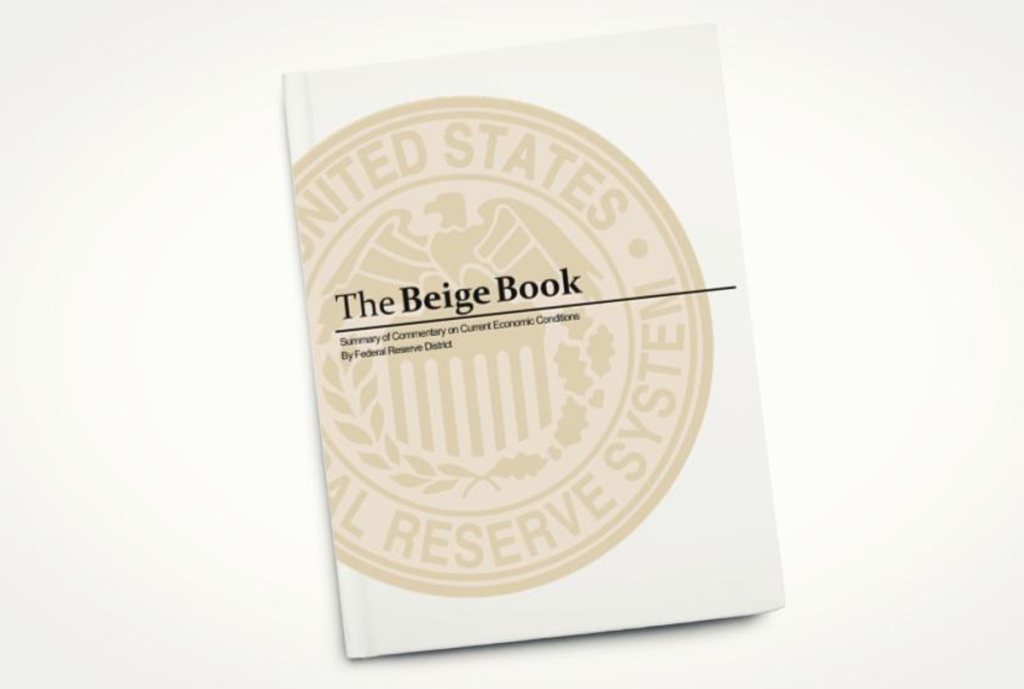
Economic activity across the US was largely static with some modest activity unfolding at a sluggish pace, according to the US Federal Reserve’s (The Fed) latest Beige Book report. Notably, strong gains in home sales were offset by flat consumer spending.
The Fed’s latest economic report, posted on Nov. 26, consists of economic findings from the six weeks preceding Nov. 17 throughout 12 districts. Typically, the report is released a few weeks ahead of policy meetings, a total of eight times per year.
Overview
Electric vehicle sales dropped off due to the federal income tax credit expiration. Most consumers spent less overall, but high-end retailers noted that spending in their sector remained resilient. Other retailers named the government shutdown as a factor that reduced consumer spending. Revenue in nonfinancial services was down, and loan demand was mixed. Manufacturing increases occurred in some districts. The agriculture, energy, and real estate market reports highlighted stable levels of activity.
Labor demand mostly weakened across all regions. Employers report adjusting worker hours to accommodate demands rather than hiring new employees. Layoffs, hiring freezes, and replacement-only hiring are controlling labor costs. Rising healthcare costs have added upward pressure on labor costs.
Overall, prices increased moderately. However, manufacturers report modest input cost increases, and retail price increases are reflective of tariff-induced increases. Multiple districts note margin compression. Prices declined on low demand materials and materials experiencing reduced or deferred tariffs.
Districts with growing economic activity
Economic activity increased slightly in the Boston district. Grocery prices rose, but overall price increases were modest. Home sales showed renewed strength. The district has a cautiously optimistic outlook.
Chicago experienced slight increases in its economic activity. Prices ticked up, while wages grew modestly. Employment, consumer spending, business spending, construction and real estate, and manufacturing all increased slightly. Farm income prospects for 2025 rose slightly.
Cleveland reported a slight uptick in business activity. The district saw modest increases in demand for professional and business services. Manufacturing activity was slightly down, but AI data centers improved some manufacturing activity. Nonlabor cost increases continued, selling prices ticked up, and contract activity is expected to hold for the foreseeable future.
In the Richmond region, economic activity increased slightly. Although consumers paused spending on big-ticket items, in general, consumer spending increased slightly. Most industries experienced little change, but manufacturing contracted. Employment remained steady while wages grew moderately. Price growth increased moderately.
Districts reporting stagnant economic activity
Atlanta reported little change since its last report. Employment levels remained stable; overall travel activity was flat to slightly down; transportation and manufacturing activities stagnated. Retail sales have slowed. Home sales have dropped while commercial real estate activity has improved. Energy demand grew moderately, as did wages and prices.
Economic activity in the St. Louis district remained unchanged. The district reported government shutdown related business slowdowns. Price increases remained moderate; however, the district expects prices to continue to grow. The outlook has become pessimistic due to the risks of increasing prices and slowing activity.
Minneapolis reported that the balance of its activity was flat. Employment slipped, but labor availability improved slightly. Consumer spending dipped, but new vehicle sales increased. Prices rose. Agricultural conditions have weakened. Home sales, commercial construction, and manufacturing activities all rose, but most other sectors remained unchanged.
Mixed activity
San Francisco experienced a strong mix of economic activities. Lending activity slightly strengthened. Employment levels mostly remained flat, as wages and prices increased. The district reported a slight easing of activity in the retail trade, agriculture, and residential real estate sectors. Meanwhile, services, manufacturing, and commercial real estate activity remained flat.
Districts with slowing economic activity
Dallas reported a weakened housing market and decreasing activity in its financial services, retail, and banking sectors. Its energy activity was flat. Employment decreased and prices increased moderately. Manufacturing continued to show resilience, and production activity grew at a modest rate. Tariff concerns, interest rates, heightened uncertainty, and fears of an economic slowdown worsened the district’s overall outlook.
The Tenth District, Kansas City, experienced slightly slowed economic activity. Prices increased modestly, and firms report passing through 20% of increased input costs. Consumer activity dipped as wages increased in alignment with the cost-of-living, but the overall labor market softened. Six-month sentiment regarding employment growth remains optimistic.
New York experienced a reduction in economic activity. Some major employers issued layoffs, and overall employment levels slipped. The rate of persistently rising prices slowed. High-end retailers reported healthy sales despite overall consumer spending being down. Manufacturing ticked up. The district’s outlook remains neutral.
Philadelphia reported that the US government shutdown accelerated the downward trajectory of its total economic activity. Employment levels decreased, upward pricing pressure squeezed low- and middle-income households, and uncertainty regarding government policies stressed businesses.