• Skip to main content

    Analysis

    Will ferrous scrap prices rise heading into 2027?

    Written by Stephen Miller


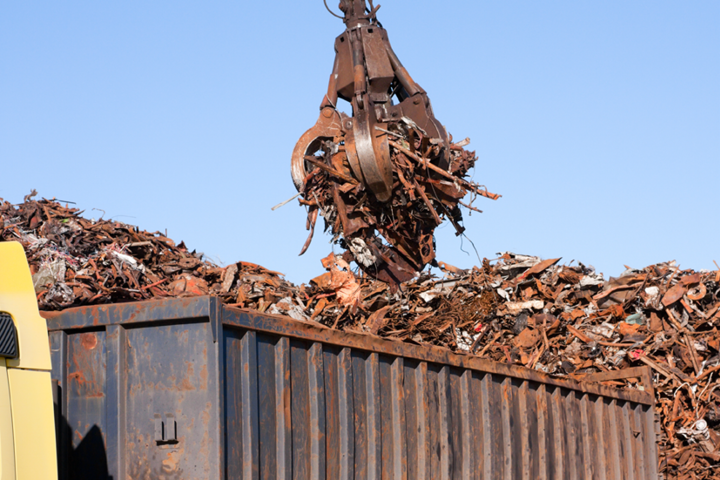
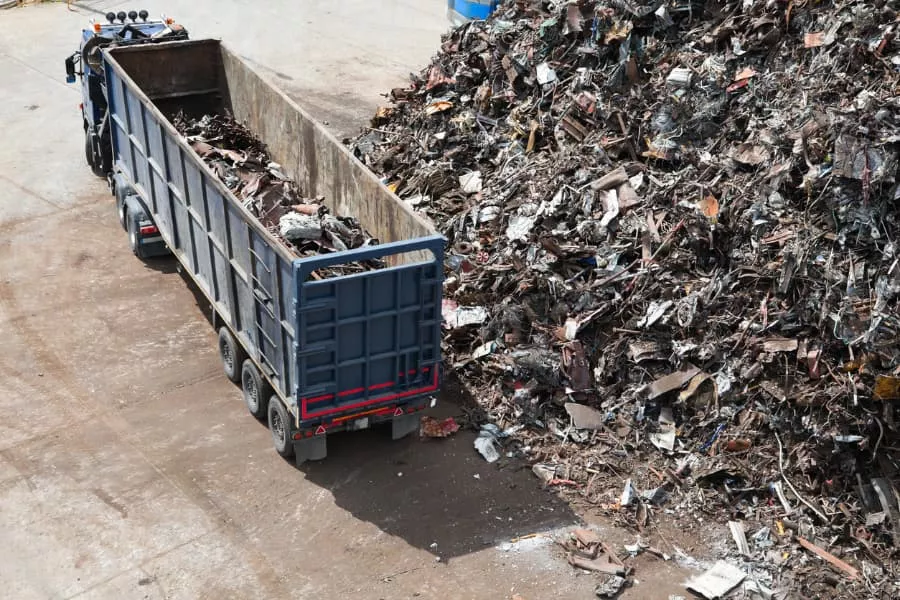
    The ferrous markets are all very healthy as we head into the last month of 2026. Demand for scrap is still very strong. On the supply side, the flows of obsolete grades may be reduced as winter weather takes hold. Holiday schedules at major industrial generators will limit the supply of prime grades.

    Of course, this happens every year at this time, but this year is radically different than the past three. Steel mill order books and prices are much stronger than preceding years.


    Stephen Miller

    Read more from Stephen Miller

    Latest in Analysis

    Alacero Summit rundown: China pressure sharpens calls for steel protection, regional cooperation

    Mexico and Latin America need a stronger response to subsidized steel and manufacturing overcapacity, according to speakers at Alacero Summit 2026. “What we cannot do is compete against a state,” said Máximo Vedoya, Ternium CEO, in his opening remarks. Vedoya maintained that Latin American (Latam) steelmakers can compete in the international landscape under fair conditions, but state-backed competition requires a stronger policy response.

    SMU Survey: Steel buyers turn to imports as lead times stretch and prices rise

    Amid stable to improving demand (see Slide 26), steel buyers report extended lead times and elevated prices, while imports remain a competitive option, according to SMU’s latest survey results. Most service centers and manufacturers responding to our survey said foreign offers were competitive, and many reported placing new orders for future delivery. As reported last week, sheet product lead times continue to lengthen, with most reaching their highest levels since the post-Covid demand snapback in 2021. Hot-rolled coil lead times are averaging 9.7 weeks at domestic mills, according to our survey.

    Italian ferrous scrap market faces cloudy outlook

    The Italian ferrous raw materials market activity looked promising at the start of the year. However, recent steelmaking cutbacks have dulled optimism about the country becoming a significant player in the export trade in the months ahead. In 2025 and in Q1'26, numerous cargoes were sourced from the US and Europe to feed the electric-arc furnace (EAF) and integrated mills in Italy. Many thought this activity would continue and would provide an additional option to supplying Turkey. But the rise in energy costs has put a damper on this and deep-sea cargoes have become a fairly rare event.