Final AD/CVD margins announced in coated steel trade case
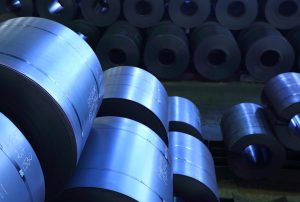
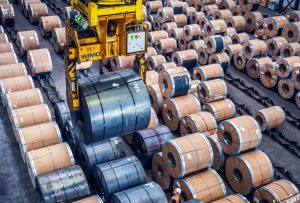
The Commerce Department announced the final anti-dumping and countervailing duty (CVD) margins in the sprawling trade case investigating corrosion-resistant steel imports.
Canada has agreed to drop some retaliatory tariffs on US products, effective Sept. 1.
As everyone surely knows by now, the SMU Steel Summit starts on Monday in Atlanta, Ga. So, this is a great opportunity to reflect on how much has changed since the 2024 Summit. Certainly, no one could have imagined the wholesale and transformative changes to U.S. and global trade policy.
The Canadian Steel Producers Association expressed dismay upon the news that the Trump administration had added over 400 products to the list of derivative products covered by the 50% Section 232 tariffs on steel and aluminum.
China has requested dispute consultations with Canada at the WTO about Canadian measures on Chinese steel and aluminum imports.
The Commerce Department has added over 400 HTS codes to the list of steel and aluminum derivative products covered under the Section 232 tariffs.
The question of the new world order was on many minds last week when I spoke on another SMU Community Chat. The short answer is that nobody knows in detail what the effects of all the economic and geopolitical developments will be.
Canada has launched an investigation into the alleged dumping of imports of oil country tubular goods (OCTG) by five countries – Korea, the Philippines, Turkey, Mexico, and the United States.
US President Donald Trump extended the US and China’s 90-day pause on planned reciprocal tariffs on Monday.
The administration continues to negotiate deals with US trading partners, and the reciprocal tariff program appears poised for further modification. This week, we focus on other important developments that may have received less media attention.
The tariffs amount to a wholesale transformation of US trade policy from one promoting increasing international interaction to one of restricting trade to serve national strategic goals.
US and European steel trade groups were at odds over their reaction to the recent trade deal President Trump brokered with the EU.
Attorneys representing domestic petitioners and foreign respondent companies have been busy filing case briefings and making rebuttals as the corrosion-resistant steel unfair trade investigations begin to wind down.
As the president’s August 1 tariff deadline approaches, the “Let’s Make a Deal” game show returns to primetime (the Monty Hall version, of course). As the administration begins rolling out trade deals, we are starting to see what’s behind door number one and who is getting a “zonk.”
President Trump said a negotiated deal with Canada might not occur, and all existing tariffs, along with those set to take effect soon, will stay in place, according to media reports.
Five trade organizations involved with North American steel have praised President Trump’s Section 232 tariffs on steel for helping the domestic industry.
Industries that use steel in manufacturing employ many more workers than steel production. Raising the cost of steel for these customers will not increase manufacturing employment. In fact, it will probably hit employment hard.
The Chinese government has threatened countermeasures on Canada following the Canadian government's announcement on curbing steel imports, according to media reports.
Canadian Prime Minister Mark Carney has announced new measures to limit steel imports into the country.
The Canada Border Services Agency has terminated a self-initiated dumping investigation of corrosion-resistant steel sheet (CORE) from Turkey.
Evraz NA and Welded Tube of Canada have lodged an unfair trade complaint against imports of OCTG, including those from USMCA trading partners Mexico and the US.
Trade issues do not seem poised to leave the headlines anytime soon. And as recent developments show, the administration’s tariff policy remains ever-changing.
US Treasury Secretary Scott Bessent told reporters that tariffs for Vietnamese imports to the US are 20% and "specific industries" have trade protections under the Section 232 tariffs.
Steel trade groups praised the passage of the Big Beautiful Bill (BBB) in Congress on Thursday.
Canada has implemented tariff-rate quotas (TRQs) on steel imports to help stabilize its domestic market.
Here are the details and a case timeline for the rebar trade case recently initiated by the Commerce Department.
Most economists will tell you that universal tariffs will result in inflation and reduce demand, causing a recession or worse. (After all, this is what happened in the 1930s). It is a rare product that is so essential that demand will not go down if prices go up.
The Canadian steel industry is bracing for thousands of job losses because of US tariffs, the Canadian Steel Producers Association says.
Could the US and Mexico end up with a tariff-rate quota system?
The US OCTG Manufacturers Association is commending US Customs for intercepting another Thai company's attempt to illegally transship Chinese oil pipe to the US.