
DOE set to measure GHG intensity of industrial products, including steel
The US Department of Energy (DOE) is launching a pilot project to measure the greenhouse gas (GHG) intensity of certain energy-intensive industrial products, including steel.


The US Department of Energy (DOE) is launching a pilot project to measure the greenhouse gas (GHG) intensity of certain energy-intensive industrial products, including steel.
U.S. Steel is the first steelmaker in the world qualified to sell its products as “ResponsibleSteel Certified Steel” at its Big River Steel operation in Osceola, Ark.
Whether it’s the twists and turns of the presidential election, the U.S. Steel deal, or just what’s happening with the movement of steel pricing, there has been no shortage of stories for us to cover.
Cleveland-Cliffs Inc. on Monday reiterated its commitment to a major decarbonization project at its Middletown Works in Ohio, despite an earlier report suggesting otherwise.
The only way to achieve net zero goals worldwide is to significantly reduce the greenhouse gas emissions of the global steel industry. And emissions standards can play a key role in encouraging (or discouraging) steel decarbonization. In that spirit, earlier this year, the Biden administration established a climate and trade task force, aimed at a promoting “a global trading system that slashes pollution, creates a fair and level playing field, protects against carbon dumping, {and} supports good manufacturing jobs and economic opportunity.” These are ambitious and laudable goals. Across sectors, the United States has a significant carbon advantage over many of its economic competitors. This is certainly true in the steel industry, where American manufacturers are among the lowest emitting in the world. In other words, when it comes to steel, climate-focused trade policy can go hand-in-hand with US competitiveness.
This CRU Insight explores how decarbonization will play a significant role in redefining steel trade patterns by shifting regional competitiveness and increasing steel demand needs.
GrafTech cited a “challenging” part of the business cycle as its net loss widened in the second quarter.

The United Kingdom and other countries are using the “green” label to subsidize bailouts of obsolete, inefficient, and excess capacity that should exit the market. US steelmakers have invested billions of dollars in technologies that curb greenhouse gas output. These investments have been market-based and led by EAF producers such as Nucor, Steel Dynamics, and CMC.

North America has one of the most robust steel scrap markets in the world. The continent has a long history of steel production, significant imports of steel and steel-containing products, and mature steel consumption. Due to this, the reservoir of scrap available to be recycled each year in the US and other North American markets is substantial and growing.
Radius Recycling continued to bleed red in its most recent quarterly report as it negotiated persistently challenging conditions in the recycled metals market.
Nearly 800 people have registered to attend Steel Summit on Aug. 26-28 at the Georgia International Convention Center (GICC) in Atlanta.
A roundup of recent aluminum news from CRU.
Sometimes, words can lead you in interesting directions. Specifically, crosswords. For the last six weeks we have been making steel-themed crosswords in the lead-up to SMU's Steel 101 course in Fort Wayne, Ind., which is taking place today and tomorrow. I’ve learned snippets of steel history and educated myself on the finer points of sponge iron.
When it comes to steel decarbonization, we do not need to compromise our climate ambition to make the types of demanding steel products needed for our 21st-century economy. Nevertheless, many of the world’s highest-emitting steel producers and their allies would have you believe that one cannot be done without the other. They are wrong. They […]
When you step out of the airport in Phoenix in June, the heat tends to focus your mind. I was in town to attend the Steel Manufacturers Association/Metals Service Center Institute (MSCI) annual meeting in Scottsdale, Ariz. The desert locale with palm trees, swimming pools, and the obligatory high-powered air conditioning was fitting for 2024. Between the presidential election and the geopolitical situation, things have definitely been heating up.
Why have steel emissions policies forgotten about recycling? The short answer is that they haven’t. ResponsibleSteel was recently characterized in an article featured in the SMU Executive Newsletter as advocating for steel emissions policies which “discourage recycling.” In fact, ResponsibleSteel sees recycled scrap as playing a critical role in driving steel decarbonization. Recent revisions to […]
SMU had the pleasure of attending the American Iron and Steel Institute's (AISI's) annual general meeting in Washington this week. It was a slow week in our nation's capital, so we were able to take a leisurely stroll around the National Mall and take in the sights. Just kidding. In fact, the meeting coincided with significant trade actions announced by the Biden administration. It included, among other things, additional tariffs on Chinese steel and aluminum.
The Biden administration announced a series of actions on Tuesday targeting China’s "unfair" trade policies. These actions will, among other things, make imports of steel and aluminum from the Asian nation even more prohibitive.
Stelco reported a positive start to 2024 in its first-quarter earnings report on Thursday. And with steady demand and a stable market, the Canadian flat-rolled steelmaker is optimistic for the remainder of the year.

Steelmaking currently accounts for approximately 8% of global greenhouse gas emissions. The only way to achieve net zero goals is to significantly reduce steel emissions worldwide. And there is no way to do that without recycling.
If successful in its overtures to Anglo American, BHP will create the world’s largest diversified miner by a country mile. The rationale for this merger is scale and in mining, size matters.
Steel is a foundation of the global economy. It is an essential raw material for nearly every industry, from automotive and construction to transportation, machinery, and energy.
The steel market appears to be finding a new, higher normal with the shocks of the pandemic and the Ukraine in the rearview mirror. The good news: a more profitable and consolidated post-Covid US steel industry has been able to invest in operations. That includes efforts to decarbonize. The bad news: That “new normal” could be tested. Because it’s not just domestic sheet prices that have been volatile. Geopolitics are too.
Cleveland-Cliffs and the Global Steel Climate Council (GSCC) are two of the newest members to join the World Steel Association (worldsteel).
Electra has commissioned a clean ironmaking pilot plant in Boulder, Colo.
The Biden administration this week announced landmark industrial funding to support potentially transformational industrial decarbonization projects. In total, thirty-three projects across eight industrial sectors will receive up to $6 billion in federal funds from the US Department of Energy’s (DOE) Office of Clean Energy Demonstrations (OCED).
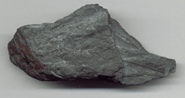
Rio de Janeiro-based metals and mining conglomerate Vale could potentially build a new plant for the production of iron ore briquettes in the US.
With the help of a large government grant, SSAB may soon expand its operations in the US – including constructing a fossil-fuel-free green ironmaking facility in Mississippi.

The Department of Energy (DOE) announced on Monday six projects that will receive up to $1.5 billion in funding to further decarbonize the iron and steel industry.

Across industries and nations, it’s clear sustainability is the path towards the future. Moving ahead means creating dialogue and building bridges. For Nucor, building bridges means reaching out to new audiences. Actually, it also literally means soon building bridges from the plate made at its Brandenburg mill in Kentucky.