
• Skip to main content

    Analysis

    Final Thoughts

    Written by John Packard


    A comment from a steel buyer today as we discussed steel prices, “That’s what I like about the steel business, there is always a new dynamic.” Put another way by one of my trading mentors a number of years back, in the steel industry prices are either going up or they are going down, there is no in between. This makes for an interesting business to cover and my days are spent in constant conversation with both buyers and sellers of steel.

    John Packard Summit 18On a personal note, one of my neighbors here in Florida lives in Germany and has a company that works with automotive engineers, tool and die makers and fabricators. His company solves the problems being created by the new advanced high-strength steels. We had an interesting conversation about spring-back, forming and the new shapes steel is being asked to make in the new vehicles we (the public) has not seen yet. He told me about the next generation of electric vehicles and how you will be able to use your phone and program in the amount of horsepower you want the car to generate on any specific trip. Going on the Autobahn in Germany? Maybe 500 horsepower is what you want. Driving around town, dial in 200 horsepower. Same car, same engine (electric). He also told me the max weight for an electric vehicle to be effective is 1,500 pounds. I found it interesting. I am trying to get him to commit to speak at one of our future Steel 201 workshops where we focus in on advanced high-strength steels.

    Latest in Analysis

    November scrap prices rise as market nears settle

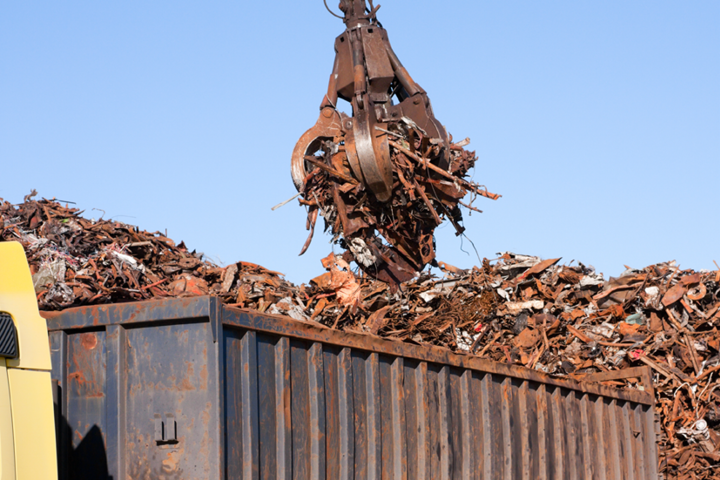
    November scrap procurement has commenced in the US with buyers divided on the price increases from the previous month. Several mills reportedly sought a rise of $20 per gross ton (gt) while others saw $30/gt as the number. The $30/gt price tag mainly applies to the obsolete grades, like shredded, P&S and #1 HMS, with prime grades pulling up the rear at $20. SMU spoke to a Chicago-based source who said that market was up $30/gt and 20/gt on shredded and busheling, respectively. He also mentioned the integrated mills in this district are after heavier grades like P&S and railroad grades, like wheels. These grades have been in short supply since last summer. Our source believes they commanded prices up $30/gt while busheling was at plus $20.

    SMU scrap market survey results now available

    SMU’s November ferrous scrap market survey results are now available on our website to all premium members. After logging in at steelmarketupdate.com, visit the Pricing and Analysis tab and look under the “survey results” section for Ferrous Scrap Survey results. Past scrap survey results are also available under that selection. If you need help accessing the survey results or if your company would like to have your voice heard in our future surveys, contact smu@crugroup.com.

    Scrap export market activity perks up

    There has been an upsurge in Turkish deep-sea scrap buying over the last week for December shipment. Prices paid increased but not as much as the trade expected.cDuring the last week, Turkey-based steelmakers bought at least seven cargoes, largely from the UK and Northern European suppliers, while virtually shunning higher priced US scrap. The initial wave of sales of HMS 80/20 ranged from $395-$398.50 per metric ton (mt) on a CFR basis. This equated to an average increase of less than $5/mt. The was one cargo bought later at $401/mt from this region.

    Market chatter: Supply, not price, dominates steel buyers’ concerns

    On Monday and Tuesday of this week, SMU polled steel buyers on an array of topics, ranging from market prices, demand, and inventories to tariffs, imports, and evolving market events. We are sharing a selection of the comments we received below, in each buyer’s own words. Before diving in, we reviewed all the responses collected and compiled these key takeaways: Respondents overwhelmingly anticipate further increases. Buyers cite limited supply, mill delays, low inventories, and steady-to-strong demand. Most say demand is generally stable to improving, with some purchasing driven by fears of higher prices or unavailable material rather than stronger underlying consumption. Most respondents report faster inventory turnover, while shortages are constraining sales and, in some cases, prompting customer allocations. Buyers increasingly see imports as a way to secure scarce material, though domestic-origin requirements, delivery timing, and pricing risks remain obstacles.