• Skip to main content

    Analysis

    Final Thoughts

    Written by John Packard


    A note about the Oct. 8-9 Steel 101 workshop in Cincinnati. The workshop is about 50 percent filled as of today and we do expect this workshop will be sold out prior to the event. We will be visiting the Nucor Gallatin steel mill in Ghent, Ky.  Excluding transportation to and from the hotel from the airport and the hotel room costs, all other costs are included in the registration fee. This includes breakfast and lunch on both days, networking cocktail party/dinner the first day, all breaks and transportation to and from Nucor Gallatin to the hotel. We also have a 100+ page booklet that follows a good portion of the workshop and has additional information valuable to attendees.

    The attendees will also have access to the PowerPoint slides after the program has concluded. Every Steel 101 workshop is a little different than the one before as we analyze our audience and take the feedback we get to improve the program. For more information, please go to www.SteelMarketUpdate.com/Events/Steel101. You can also find a reservation link there.

    Latest in Analysis

    Lead times extend as HR passes 10 weeks, plate sets another record

    US sheet and plate buyers face longer waits amid historically constrained US steel supply, according to the latest SMU steel market survey data. Average lead times now nearly reach mid-February, with some mills not quoting availability until March or later. For most sheet products—except Galvalume—buyers haven’t faced waits this long since the post-pandemic rebound in 2021. Plate has gone further, surpassing its 2021 peak and repeatedly reaching new highs over the past month. SMU’s plate data stretch back to 2018, and our sheet data to 2012.

    SMU Price Ranges move upward as record-breaking rally continues

    Sheet and plate prices continued a rally that has broken records in terms of duration if not (yet) in terms of pricing. Spot availability, meanwhile, remained extremely limited – and could stay that way well into the first quarter, market participants said. Some sources said certain mills haven’t opened January books and might not have any spot tons available until February. Others said they didn’t think they’d be able to get spot material until March.

    HRC vs. busheling spread – What a difference a year makes

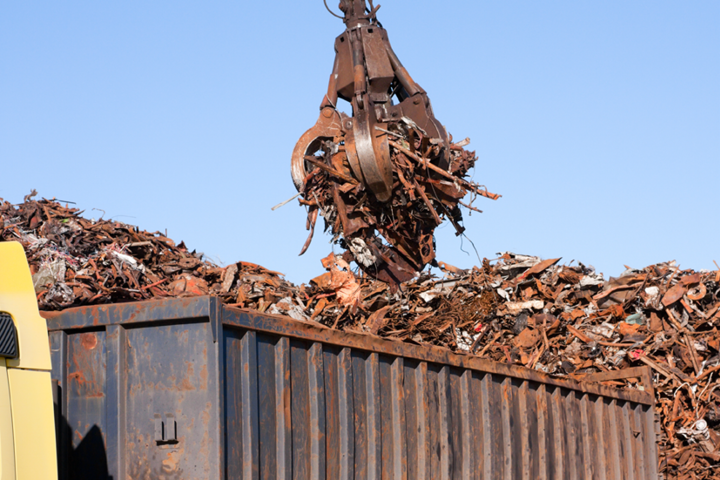
    The US scrap market is in a very different position in 2026 than in 2025. This year has seen a dramatic rise in the price and demand for hot-rolled coil (HRC), while scrap prices lagged until very recently. Many project HRC prices to keep rising, and scrap prices are also expected to increase, not only seasonally but because of supply and demand pressure. Still, let’s take a look at the comparative numbers in 2026 vs. last year.

    Leibowitz: Who did the tariffs on steel and aluminum help, and who did they hurt?

    US Trade Representative Jamieson Greer took issue with an analysis in the Wall Street Journal looking at the effect of the 2025 tariffs (including the IEEPA tariffs and the Section 232 tariffs on steel and aluminum). The Nov. 10 analysis was written by David Ebert, a senior research fellow at the American Institute for Economic Research. The real issue is whether the tariffs did the US economy more harm than good. On Nov. 16, Ambassador Greer’s letter to the editor of the Wall Street Journal appeared, touting the “success” of President Trump’s comprehensive tariffs. On Nov. 17, Theodore Gebhardt published a letter taking issue with Ambassador Greer. Three days later, a letter from Caroline Freund of the University of California at San Diego rebutted Ambassador Greer.

    US ferrous scrap export market remains muted

    The export market off the US East Coast (USEC) has been quiet lately. The last confirmed sale from the US saw Turkey buy a mixed cargo with HMS 80/20 selling for the equivalent price of $398.50 per metric ton (mt) CFR in late October. Since then, Turkish mills concentrated on buying from Northern Europe, but sparingly. Their hesitation to pay higher prices for the material they needed was due to the falling price of rebar and other longs.