
• Skip to main content

    Product

    SMU CEO on Steel Demand, Steel Price Peak & More

    Written by John Packard


    Last week, we conducted one of our flat rolled and plate steel market trends analyses. Or, to put it another way (that the search engines don’t like), we conducted one of our surveys that we do ever other week. We invited over 500+ market participants, most of whom are steel buyers in the manufacturing and service center segments of the industry. The exact statistics from last week show that 44 percent of the respondents were service centers, 36 percent were manufacturing companies, 10 percent were steel mills, 8 percent were trading companies and the remaining 2 percent were toll processors. I think this gives us a good solid overview of the market.

    By the way, the results of each survey are available to Premium level subscribers. At the end of the week when we are doing the survey, we put a 50+-page PowerPoint presentation on our website, which can be accessed by our Premium level members, who can find the latest survey results under the Analysis tab on our website (must be logged in). If you would like information on how to become a Premium member, please send an inquiry to: Info@SteelMarketUpdate.com.

    Latest in Product

    US ferrous scrap export market remains muted

    The export market off the US East Coast (USEC) has been quiet lately. The last confirmed sale from the US saw Turkey buy a mixed cargo with HMS 80/20 selling for the equivalent price of $398.50 per metric ton (mt) CFR in late October. Since then, Turkish mills concentrated on buying from Northern Europe, but sparingly. Their hesitation to pay higher prices for the material they needed was due to the falling price of rebar and other longs.

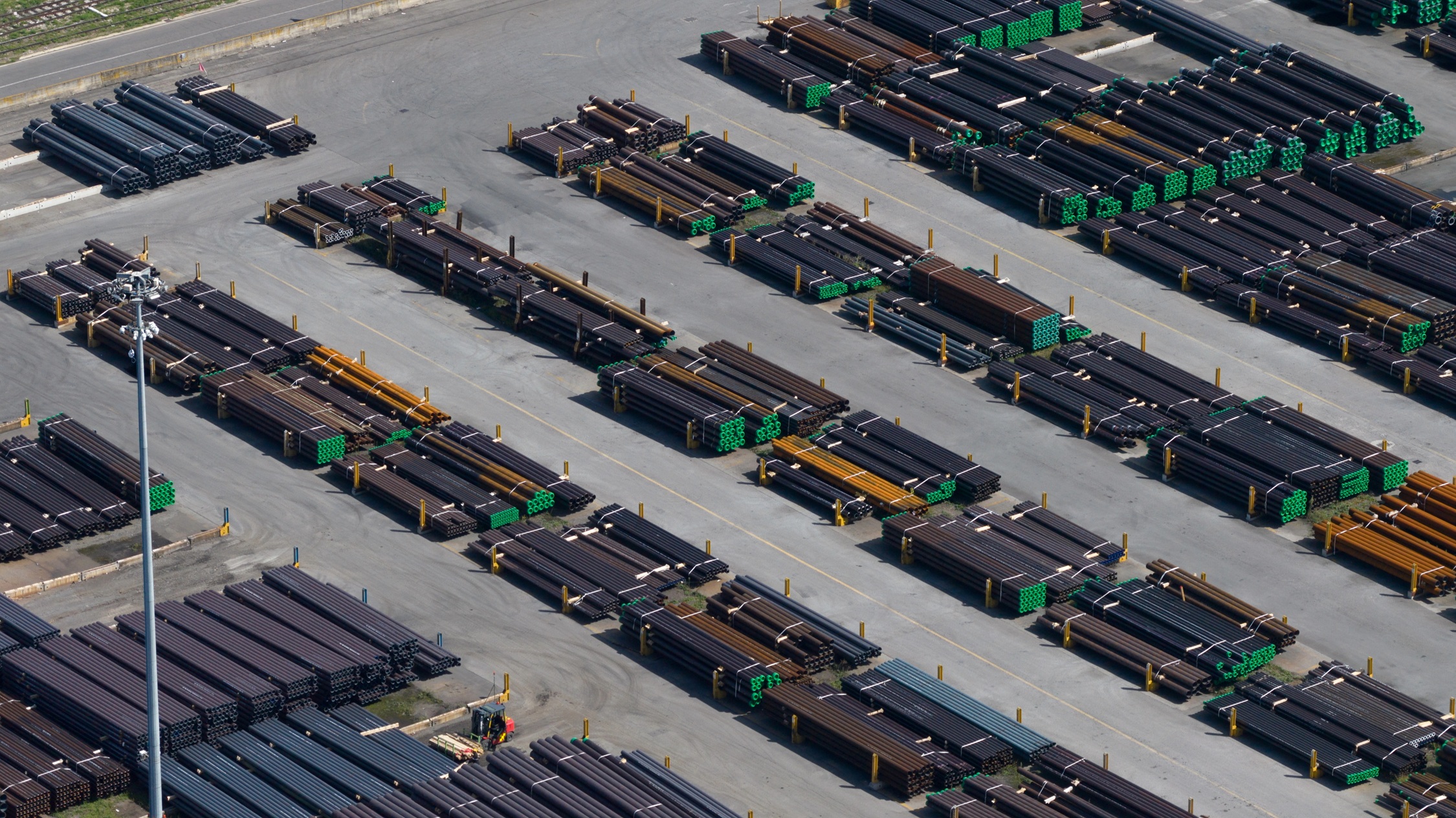
    pipe yard

    US rigs reach multi-year high, Canadian activity edges lower

    The latest count of active drilling rigs in the US rose, while activity eased in Canada this week, according to oil and gas rig count data published by Baker Hughes. The US rig count moved up to 607 rigs this week, reaching a 30-month high. Compared with this time last year, 53 more rigs are in operation today. Canada’s count slipped by two to 231 rigs this week, starting a bit of a seesaw pattern over the past five weeks. Activity is up from the same week of 2025, with 36 more rigs operating today.

    Brazilian pig iron trade stuck in doldrums

    The pig iron import market has been remarkably devoid of activity over the last month in Brazil. Brazilian contacts have not reported any new sales to the US in over a month. Several repeated inquiries about new pig iron sales to the US have produced no new reports of activity. SMU contacted one of the larger channels in Brazil who said there have been no new sales to the US since December cargoes were concluded to USA buyers in mid-October at prices of ~$454 per metric ton FOB, as previously reported in out last update. This channel said the organization’s current offer for January shipment is $455-460/mt, which is not too much higher than the last confirmed transactions.

    North American auto output rebounds in October

    North American auto assemblies rebounded 6.5% from September to 1.369 million units in October, driven by improved personal and commercial vehicle production, according to GlobalData. After steady gains through Q2, automotive production has been inconsistent, continuing a seesaw pattern, evident again last month. Still, assemblies remain muted and well below pre-pandemic levels. Total production was nearly even with October 2025, down 0.5% from a year earlier. Still, last month’s production total was 6.3% above 2026’s monthly average of 1.287 million units.

    HARDI: Galvanized buyers see prices rising amid constrained supply

    Service centers and manufacturers on the Nov. 18 HARDI Sheet Metal and Air Handling Council call continued to report tight galvanized sheet supply, long lead times and rising costs. In a poll at the end of the call, all participants said they expect prices to increase over the next 30 days. Service center participants said incoming steel was selling quickly, leaving limited room to rebuild inventories or take on new customers. Several reported lead times of about 12 weeks or longer. One participant noted shipment delays were adding to the planning challenge.