Prices
March 1, 2022
SMU Price Ranges & Indices: Price Hikes, War Concerns Slow HRC Declines
Written by Brett Linton
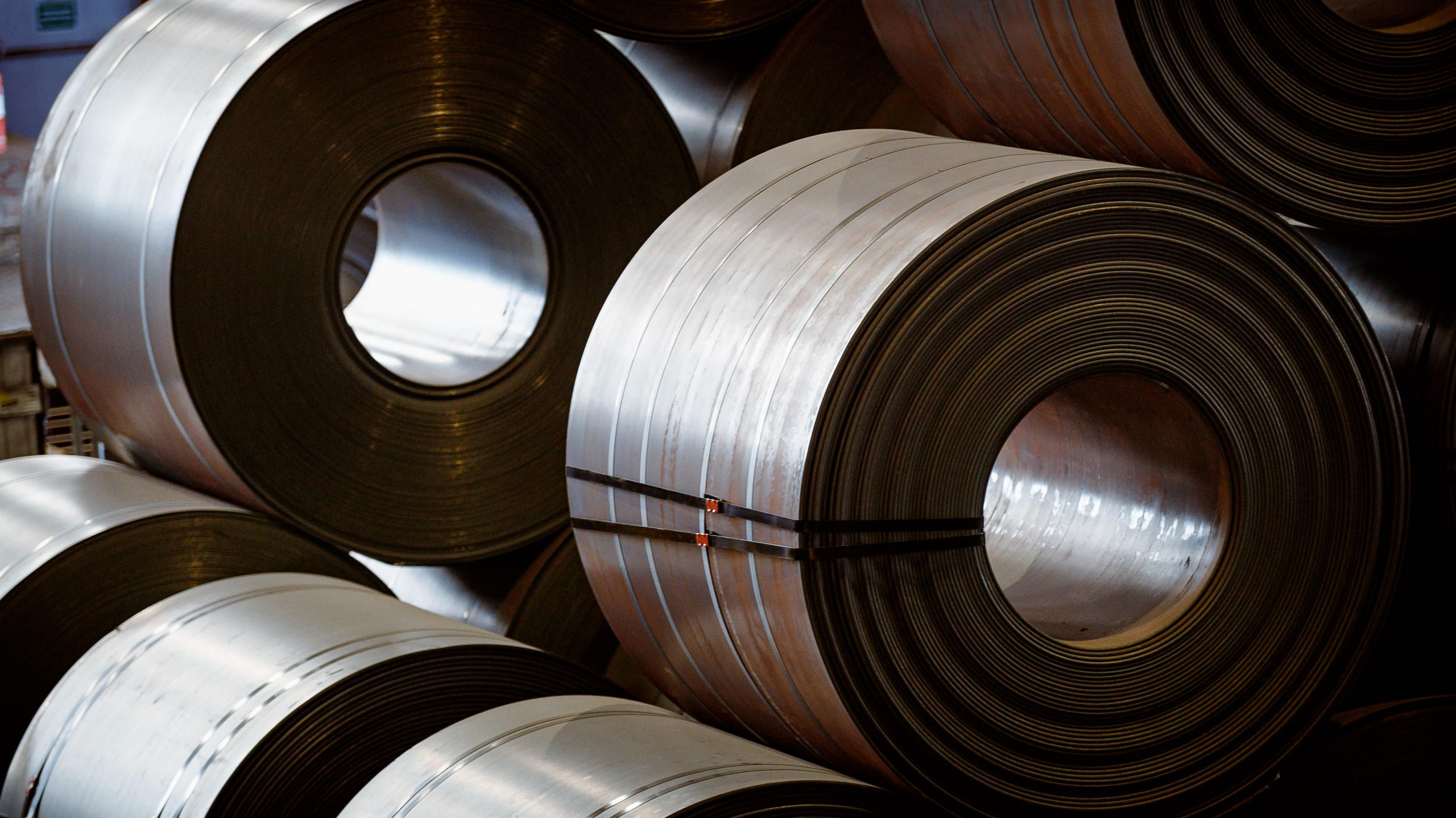
Sheet prices fell again this week. But price declines for hot-rolled coil have slowed, with HRC tags down $20 per ton ($1 per cwt) and coalescing around $1,000 per ton. While some mills were reported to be cutting deals as low as $900 per ton, others were said to be mulling price hikes. Cold-rolled and coated prices, which have lagged HRC price trends in recent months, fell more sharply than HRC for a second week. The wide spread between our highs and lows on cold-rolled and coated products are unusual but not unprecedented when a market is inflecting up or down. Declines for cold-rolled and coated had been anticipated because record spreads between HRC and base prices for value-added products were not seen as sustainable. But it’s not clear whether price declines will continue for much longer. Raw material prices – pig iron and ferroalloys, for example – are already rising sharply because of the war in Ukraine, which has sparked concerns about availability. And while some sources think North American finished steel markets won’t see any significant impact from sanctions or potential raw material shortages, others are no longer so certain. We held our sheet price momentum indicators neutral for a second week. It’s possible they could shift to higher in the weeks ahead.
Hot Rolled Coil: SMU price range is $900-$1,100 per net ton ($45.00-$55.00/cwt) with an average of $1,000 per ton ($50.00/cwt) FOB mill, east of the Rockies. The lower end of our range decreased $40 per ton compared to one week ago, while the upper end remained unchanged. Our overall average is down $20 per ton from last week. Our price momentum on hot rolled steel is at Neutral until the market establishes a clear direction.