


• Skip to main content

    CRU

    CRU: Higher freight rates to limit iron ore downside while met. coal will rise on China supply concerns

    Written by Lalit Ladkat


    This item was first published by CRU. To learn about CRU’s global commodities research and analysis services, visit www.crugroup.com.

    For the next month, CRU forecasts that steelmaking raw materials demand will improve as buyers will restock ahead of seasonally stronger steel-demand periods.
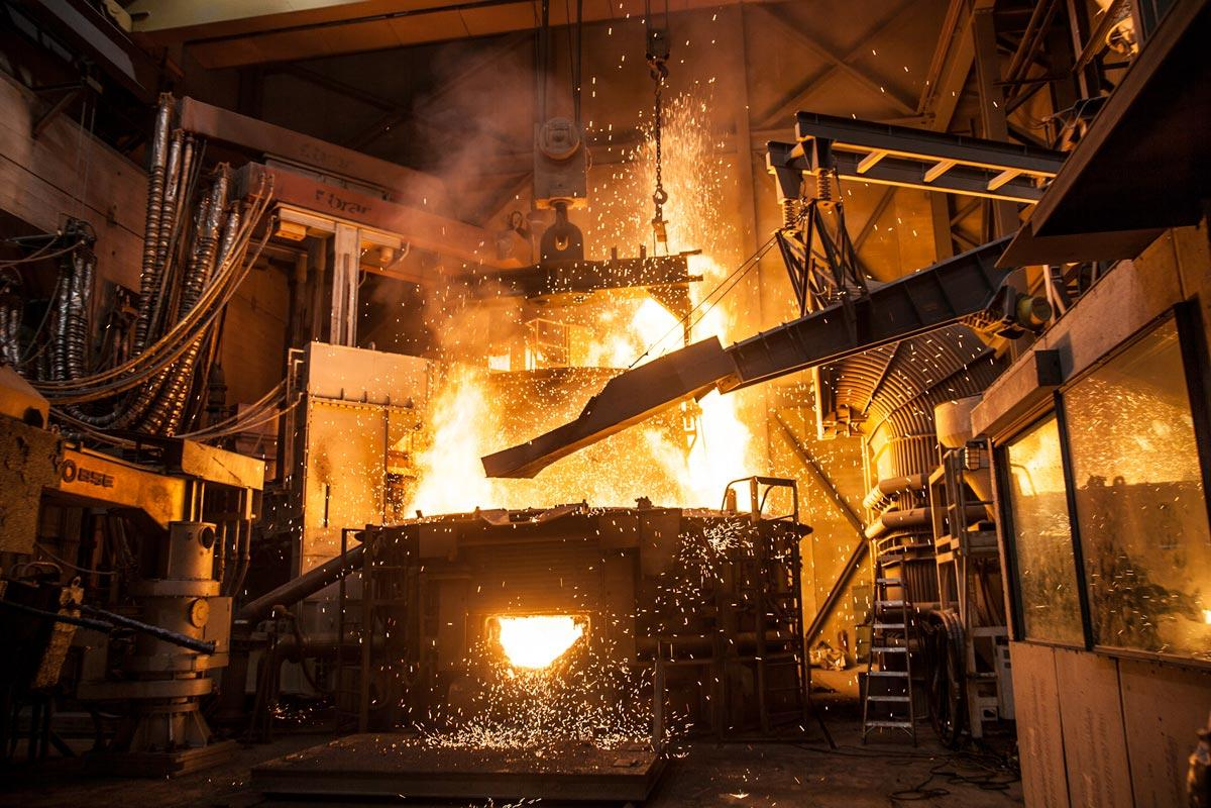

    In China, steel demand is expected to improve seasonally. However, as hot metal output has recovered ahead of a clear improvement in steel demand, steelmakers will keep blast furnace operations broadly stable unless demand improves more strongly than expected. Steelmakers’ restocking efforts will support raw materials demand.

    In India, maintenance-related production disruptions and efforts to manage steel inventories will weigh on raw materials demand over the remainder of August. However, restocking ahead of the expected recovery in post-monsoon steel consumption from September will support a subsequent increase in demand.

    Steel demand in Northeast Asia is expected to bottom out next month, supported by the planned start of construction at several large-scale projects in early autumn. Bulk raw materials demand will improve slightly next month as steelmakers restock in expectation of higher autumn consumption.

    Iron ore

    Iron ore prices will remain under pressure with sluggish demand in major markets over the next month, before a seasonal rebound in construction activity in China and a resumption of market activity in Europe following the summer holiday period. 

    Meanwhile, we do not expect prices to fall further from current levels due to higher freight costs and reduced supply from disruptions and in response to compressed margins. 

    Freight remains a key risk to the current forecast. The current increase in freight costs stems from higher time charter rates in a tighter dry bulk freight market, which we expect to persist in the short term. Bunker fuel costs, which is the other principal component of dry bulk freight, are more volatile. A material decline in energy prices that lead to falling freight costs would lower the cost floor and supporting supply from more distant origins. Under such scenario, iron ore prices could face additional downside pressure beyond our current outlook.

    Metallurgical coke and coal

    Metallurgical coal prices have been supported by Chinese demand, with domestic Chinese prices maintaining an approximately $50 per metric ton premium to seaborne material following the mine accident in Shanxi. Prices are expected to remain supported, with potential for further upside as around 50 million tons per year of capacity remains idled in Shanxi, safety inspections extend to other regions of China, diesel shortages constrain Russian and Mongolian supply, and Indian buyers begin post-monsoon restocking.

    In the coke market, anti-dumping duties on coke imports in India have provided greater clarity. However, CRU’s proprietary HCC–coke price-parity model, adjusted to an HCC-equivalent basis, indicates that Indian mills still favor importing metallurgical coal rather than coke at current seaborne HCC and Indonesian 65 CSR prices. Further upside in metallurgical coal prices could, however, shift this balance in favor of coke imports.

    Latest in CRU

    CRU: Global finished steel prices diverge, US the rare bright spot

    CRU: Global finished steel prices have diverged in August, with longs softening while sheet and plate firmed in most regions. Weak construction demand persisted across most longs markets, with the US the notable exception. Higher sheet prices were driven by tightening supply in the US and reduced import attractiveness in Europe, even as APAC sheet prices declined. Plate prices were mostly firmer across APAC, stable to down in Europe, and continued climbing in the US.