• Skip to main content

    Analysis

    Steel Summit: SA Recycling's George Adams talks scrap

    Written by Stephen Miller


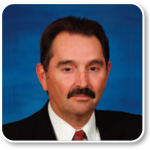
    SMU welcomed to the stage George Adams for a Fireside Chat at the 2026 SMU Steel Summit on Wednesday.

    Adams is president and CEO of SA Recycling, based in Orange, Calif. The company operates 125 scrap recycling facilities and four export terminals across the US. It employs ~6,000 people and is one of the largest privately owned scrap recycling companies in the country.
    The chat, moderated by SMU Managing Editor Ethan Bernard, covered several aspects of the ferrous scrap industry. Among the subjects were the origins and growth of SA Recycling, business ethos and strategy, the US scrap industry’s future, and the threat of overproduction of steel in China.

    Background

    Adams started his career in 1976 working in his father’s small yard in Anaheim, Calif. The company quickly grew as it bought a used automobile shredder. Adams adopted a strategy of acquiring as many scrap-generating facilities and feeder yards as possible to increase overall supply and to fend off competitors. The company grew to become the leading scrap in Southern California and eventually spreading to various states around the country.

    The company’s policy was to treat suppliers, regardless of size, with dignity so they would remain loyal to SA. Doing so helped SA increase its supply of scrap and keep a competitive edge, Adams said.

    Mill relationships

    Adams was asked about the dominance of steel mills in the scrap market now that they have acquired a sizable portion of the US recycling industry. He acknowledged mills have considerable influence over price. But despite that, the monthly pace of negotiations with the mills has not changed much over time, Adams said.

    As always, mill try to purchase scrap at the lowest price they can. “I don’t hold it against them, it’s their job,” Adams said. And this remains true: Both the scrap and steel industries need each other.

    Scrap tags

    Regarding the level of scrap pricing, Adams thinks the reason prices have remained relatively tame is because the US produces too much and the excess has to be exported. He is optimistic this may change in the future as new mills have been coming on line and several more are planned.

    “I’d like to see a steel mill on every corner,” he quipped, noting it would increase the price of scrap.

    His philosophy is to sell all of his monthly scrap generation each month. SA produces 500,000 gross tons (gt) per month. It has to move to mills and foundries. Considering the magnitude the company handles, they can’t afford to let it pile up.  

    China and S232

    Looking across the Pacific, Adams lamented the tremendous overproduction of steel in China and their export levels of over 10 million tons per month. This is causing damage to the steel industry in many countries and would also do so in the US if Section 232 tariffs had not been imposed.

    He said Section 232 is the best thing that has happened to the US steel and scrap businesses.

    Looking into to the future, Adams sees reshoring of steel-related enterprises as a positive development. This will reduce the level of scrap exports and increase domestic demand. There will likely be shortages of some grades, but the expansion of direct-reduced iron (DRI) production should be sufficient to fill the gap. He genuinely believes the next decade will be one of the greatest for the US.

    Stephen Miller

    Read more from Stephen Miller

    Latest in Analysis