• Skip to main content

    Analysis

    Steel Summit: Panelists weigh in as trade issues affect the industry

    Written by Ethan Bernard


    This year’s trade panel at the SMU Steel Summit 2026 in Atlanta contained some real-time news. Word went out that Canada had retaliated against the US by slapping additional tariffs on steel and other products.

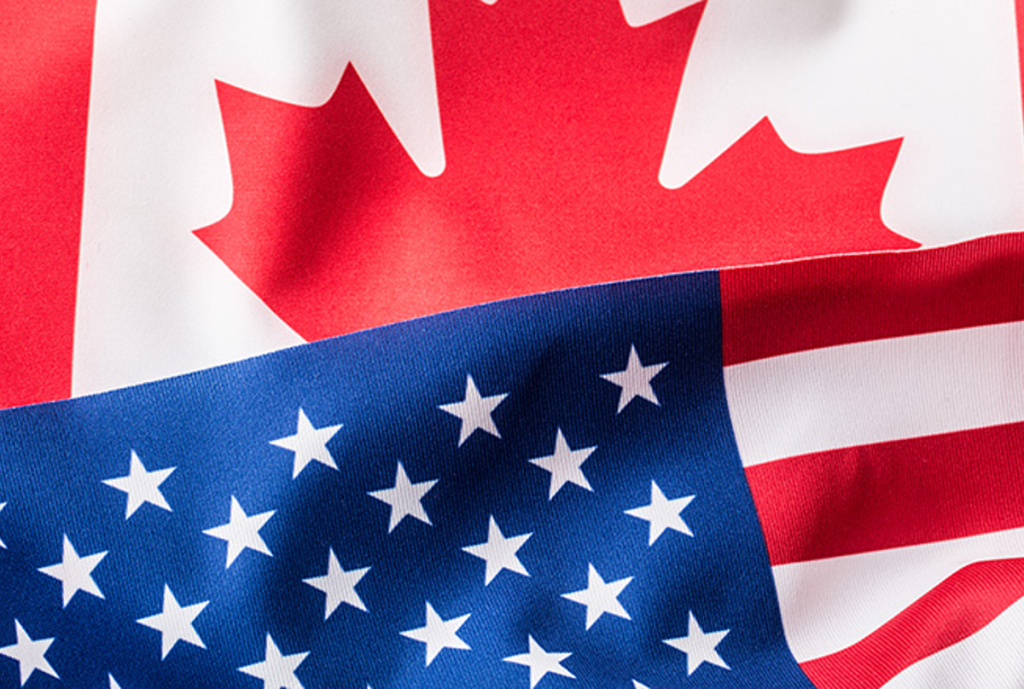
    For metals, Canadian Prime Minister Mark Carney placed a 50% tariff on imports of US steel and aluminum that will go into effect on Sept. 8. This follows the recent collapse of US-Canada trade talks.

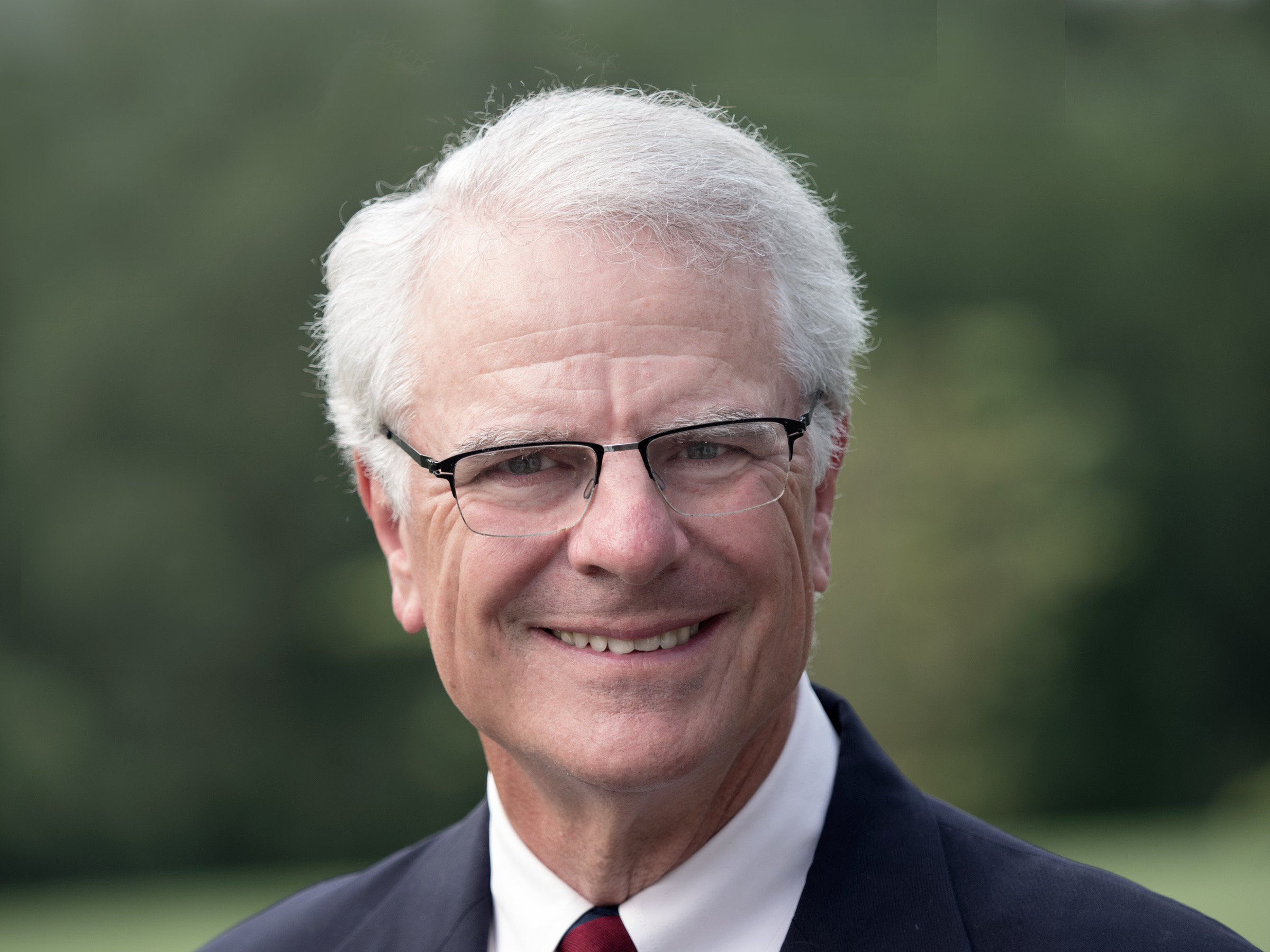
    Lynn Lupori, head of consulting – Americas at CRU, moderated this year’s trade panel on Tuesday featuring Kevin Dempsey, president and CEO of the American Iron and Steel Institute (AISI); Philip K. Bell, CAE, president and CEO of the Steel Manufacturers Association (SMA); Ezequiel Tavernelli, executive director of Latin American steel trade organization Alacero; and Lewis Leibowitz, trade attorney at The Law Office of Lewis Leibowitz.

    Since President Trump’s “Liberation Day” last year, and recently with USMCA negotiations, trade issues have been top of mind for many all along the steel value chain. And there have been a lot of twists and turns along the way, even during Steel Summit.

    Bell learned of Canada’s actions on stage. “That’s really unfortunate,” he said. “Because let’s not get it twisted. Sure, we sell steel to Canada all the time. But Canada needs to export their steel to the US. We don’t need to export our steel up there.”

    Here are a few key quotes from participants on the panel.

    Kevin Dempsey

    On issues with USMCA partners:

    “Unfortunately, because Canada and Mexico have not matched the US global tariffs, they’ve seen more imports come into those regions, which has hurt their industries. It’s also hurt our industry exporting to those regions, and you get a lot of circumvention and evasion.”

    On bilateral vs. trilateral agreements:

    “The USMCA, building off of the NAFTA, is a trilateral agreement, approved by Congress. Unless we want to send whatever other agreements are made back to Congress for new votes, which I think would be very risky, I think ultimately the bilateral agreements have to be put in the context of an overall trilateral deal. We need that one.”

    Philip K. Bell

    On a unified system for USMCA partners:

    “I think it’s important that we do have harmonized trade policies in customs and border protection. The Section 232 tariffs are working. Unfairly traded imports are down. Production is up in the United States. There’s a record amount of investment taking place, almost $40 billion.”

    Regarding the failed talks between the US and Canada:

    “The only thing I know is that Canada walked away from the steel tariffs being cut in half.”

    Ezequiel Tavernelli

    On China:

    “One thing that we often say in Latin America is we must level the playing field. At the end, what we are dealing with is that there is somebody on the other side that has a huge amount of subsidies in every corner of the industry.”

    On nations finding ways to deal with Chinese excess capacity:

    “We should be partners more than ever, and we should work together for that.”

    Lewis Leibowitz

    USMCA and regional supply chains:

    “COVID and the Iran War have made it clear that regional supply chains are much more important than they used to be, and we have to focus on that. USMCA is tailor-made for perfecting that situation.”

    On subsidizing US production in critical areas:

    “There are a limited range of methods to do that. One of them that hasn’t been talked about here is the ‘S word,’ subsidies, to encourage domestic production of particular products that are needed for national security, and I think the electric grid is a national security issue.”

    Ethan Bernard

    Read more from Ethan Bernard

    Latest in Analysis