Domestic mill shipments rise in June: AISI
US steel shipments increased month over month and year over year in June, according to the latest figures from the American Iron and Steel Institute (AISI).


US steel shipments increased month over month and year over year in June, according to the latest figures from the American Iron and Steel Institute (AISI).
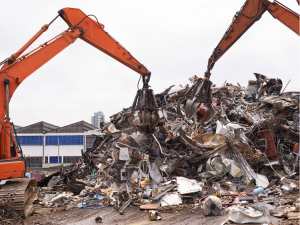
The ferrous scrap market for August appears to be settling sideways as the threats posed to the market in July have not materialized.
Nucor Plate Group has informed customers that August spot prices will remain flat.
Prices for four of the seven steelmaking raw materials we track were unchanged from late June through the end of July, while two increased and one declined. Collectively, these material prices rose 1% month over month (m/m), but are down 3% compared to three months ago.
Drilling activity slowed in the US and Canada last week, according to the latest oil and gas rig count data released by Baker Hughes.

The ferrous scrap export market off the US East Coat and Gulf Coast has remained basically sideways over the last month. This mirrors the lack of movement in the US domestic market.

Sheet prices slipped again this week amid discounting from certain mills and ongoing concerns about demand.

The Brazilian pig iron community is playing defense ahead of the Aug. 1 deadline for a 50% US tariff on imports from the South American country. The moves indicate the Brazilian producers do expect the tariff to go into effect.
US tariff expansion to stainless material in imported downstream products will not be enough on its own to incentivize capital investment

Most market players are hedging their forecasts until the tariffs on imported raw materials are settled. Even then, some are positing the August market will trade sideways.
Steel prices continued to decline this week across all of the sheet and plate products tracked by SMU, pressured by short lead times and the typical summer slowdown.
Evraz NA and Welded Tube of Canada have lodged an unfair trade complaint against imports of OCTG, including those from USMCA trading partners Mexico and the US.
Divergent opinions emerge on August's scrap outlook.
Turkish scrap prices were unchanged week over week (w/w), with HMS and Shredded grades assessed at $340 and $355 per metric ton (mt) CFR, respectively.
President Trump's threatened tariffs on Brazil, USMCA partners, and Europe could shake up the scrap and pig iron markets in August.
CRU Principal Analyst Shankhadeep Mukherjee expects a restocking cycle for steel sheet products in most parts of the world due to either low inventories or seasonally stronger demand.

The price spread between prime scrap and hot-rolled coil widened marginally again in July.
Japan’s Toyota Tsusho Corp. has completed its previously announced acquisition of Radius Recycling.

The difference: The spat with Turkey was a big deal for steel. This time, the 50% reciprocal tariff for Brazil – if it goes into effect as threatened on Aug.1 – hits everything from coffee and to pig iron. It seems almost custom-built to inflict as much pain as possible on Brazil.
Mill lead times for sheet products were steady to slightly longer this week compared to our late June market check, while plate lead times contracted, according to steel buyers responding to this week’s market survey.
The announcement of 50% tariffs on Brazilian imports, including pig iron, could have a dramatic effect on steelmaking raw materials.
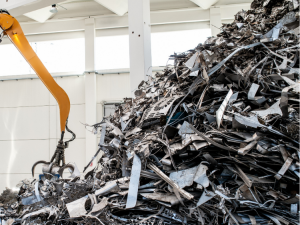
Ferrous scrap prices are flat in the US for a second consecutive month, but tariffs on imports of Brazilian pig iron could change the game in August.
President Donald Trump on Wednesday said he would increase the “reciprocal” tariff on imports from Brazil to 50% effective Aug. 1. That could have big implications for pig iron.
Sheet and plate prices slipped this week on so-so demand, sideways scrap prices, and chatter that certain mills were making unsolicited calls looking for tons.
CRU Senior Steel Analyst Alexandra Anderson discusses current market and pricing dynamics for long steel products in the US.
The US ferrous scrap market settled sideways in July.
Following the onset of the war in Ukraine in March 2022, concerns about import availability and expectations of rising demand from President Biden’s Infrastructure Bill pushed US rebar prices to record highs. In response, a flurry of new mills and capacity expansions were announced to meet the rise in demand from growth in the construction […]
Steel sheet buyers report feeling bogged down by the ongoing stresses of stagnant demand, news fatigue, tariff negotiations or implementation timelines, and persistent macroeconomic uncertainty.
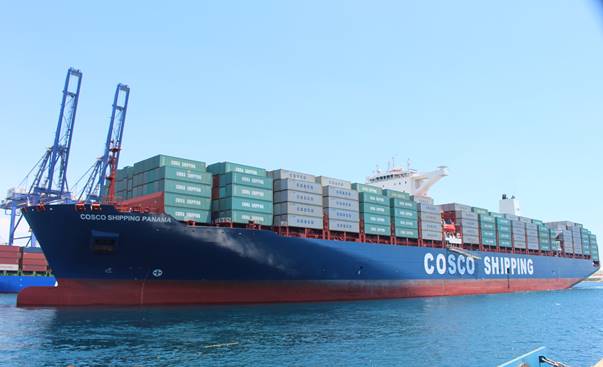
Ferrous scrap export activity has picked up steam.
Sheet and plate prices were little changed in the shortened week ahead of Independence Day, according to SMU’s latest check of the market.