CRU: N. American zinc supply disruption to continue into 2025
The slowdown in North American zinc demand in recent months has played out across all sectors, and CRU now expects it to contract by 3.7% y/y.


The slowdown in North American zinc demand in recent months has played out across all sectors, and CRU now expects it to contract by 3.7% y/y.
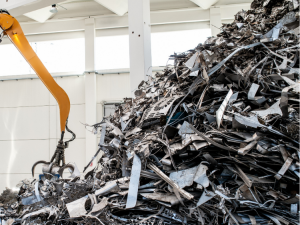
The ferrous scrap markets both here and abroad are displaying a definite lack of enthusiasm as we head into the holiday season.
Prices were stable to down in November for all seven steelmaking raw materials tracked by SMU, according to our latest analysis.
Trademark Metals Recycling opened an advanced metal recovery facility in Bushnell, Fla.

The price spread between hot-rolled coil (HRC) and prime scrap remained the same in November as both tags were at the levels seen a month earlier, according to SMU’s most recent pricing data.
Ferrous scrap prices were largely rangebound to down at the November settle, market sources told SMU.

The pig iron markets have retreated over the last two months amidst a concerted effort by US-based buyers to drive down prices to more closely follow the lower domestic scrap prices.
The US and Canadian ferrous scrap markets for November have not settled following the US presidential election. There doesn’t seem to be a key indicator as to why November prices haven’t settled yet. For the ferrous scrap market, I can’t see a big change occurring. Nothing short-term, anyways. The mills don’t seem to have a view, either, or at least they aren’t showing a lean in any direction.
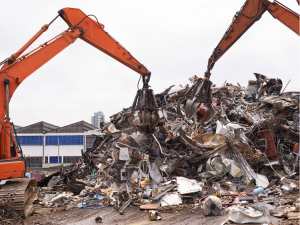
As we await the formation of November’s domestic ferrous scrap market, all the recent action is in the export market. However, it is debatable whether events in this arena are influencing our US market other than psychologically. This opinion has been expressed by several sources that I have approached.
Gerdau Long Steel North America completed its previously announced acquisition of Dales Recycling Partnership, a Tennessee-based operator and processor of ferrous and nonferrous scrap, on Nov. 1.
The ferrous scrap market for November is starting to look more like the several preceding months.
The recycled iron and steel markets seem to be “ho hum” at this stage of October. The word on the street is strong sideways, which is really not a bullish sentiment compared to the optimism of two weeks ago.
Global scrap prices increased in Asia and the US in October, although we believe downside risks remain for prices in the short term, particularly outside the US market.

The price spread between hot-rolled coil (HRC) and prime scrap narrowed marginally in October, according to SMU’s most recent pricing data.
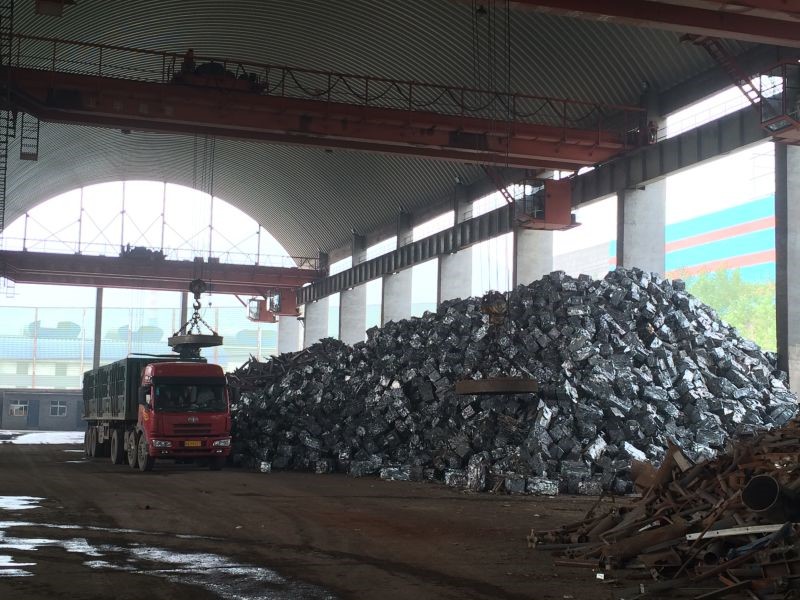
Scrap prices ticked up in October outside of Chicago and Detroit, scrap sources told SMU.
Last week, US mills entered the scrap market, albeit later in the month than usual. Now we know why. They were trying to buy sideways (whatever that means anymore).
Iron ore prices spiked as the Chinese market reopened after the country’s seven day holiday, but the rally started to lose steam on Tuesday afternoon.
George Adams said he feels fortunate to be able to work with his kids at SA Recycling, the company his family founded. But that’s not the case with many family-owned businesses.
The US scrap market has been in a steady decline for the first nine months of this year. As we enter Q4, there seems to be scant hope things will change in October. However, some players are seeing a bit of light after this month, depending on steelmaker appetite for scrap.
We are pleased to share this CRU analysis of the North American zinc market with SMU subscribers.
Last week, iron ore prices dropped below $90 per dry metric ton (dmt) for the second time in the past two years. However, prices rebounded strongly today and ended the week at $93.5/dmt, driven by the stimulus announcement in China.
Gerdau Long Steel North America plans to acquire Dale’s Recycling Partnership, a Tennessee-based operator and processor of ferrous scrap.
SMU is pleased to share the latest news from the global pig iron markets from our sister publication, Recycled Metals Update.

The price spread between hot-rolled coil (HRC) and prime scrap widened again in September, according to SMU’s most recent pricing data.
September scrap prices came in a soft sideways, with only mild hopes for a higher October, market sources said.
Industrial recycler PADNOS announced its acquisition of three scrap operations in the Midwest.
Great Lakes-area mills have entered the September ferrous scrap market in a surprisingly prompt manner.
“It's been a very interesting year in that the price of scrap should have gone down earlier this year."
With a surplus of ferrous scrap supply in the US, Steel Dynamics Inc. (SDI) said one key to maintaining costs is watching the price of conversion. When it comes to feeding electric arc furnaces (EAF), “Our Omni team is working very closely with us to make sure we have access to the right materials,” said […]
The basic pig iron (BPI) market remains virtually unchanged despite perceived weakness in other ferrous materials, such as scrap, billets, HRC and iron ore.