• Skip to main content

    Market Segment

    Swedish HYBRIT Receives $2.5 Million for Hydrogen Steel Plant

    Written by Sandy Williams


    Swedish initiative HYBRIT has received $2.5 million from the Swedish Energy Agency for a comprehensive study of steelmaking using hydrogen for the direct-reduction of iron ore. HYBRIT is a collaboration of steelmaker SSAB, iron ore producer LKAB, and electricity producer Vattenfall. HYBRIT seeks to replace coking coal used in ore-based steel making with hydrogen to create steel with virtually no carbon footprint. The project envisions a completely fossil-free value chain from mine to finished steel.

    A pilot plant began operations in Lulea, Sweden, on Aug. 31 to test the use of hydrogen in directly reducing iron ore. The Energy funding will be used to plan a demonstration plant that will use the new technology on an industrial scale. The study will focus on design, plant design, choice of technology, logistics solutions and location. If all goes well, construction of the demonstration plant will begin in 2023. Production is slated for 2025 with one million metric tons of iron capacity per year—about one-fifth of LKAB’s processing capacity in Malmberget and nearly half the production capacity of the SSAB Luela blast furnace.

    Latest in Market Segment

    AISI: Southern rebound lifts US steel production, again

    US raw steel production continues its broad seesaw pattern, bouncing back from the prior week’s decline, according to the latest American Iron and Steel Institute (AISI) figures. Raw steel output has fluctuated sharply since late summer, reaching an 18-year high at the end of October before returning to more typical levels the following week. Despite the wide ebb and flows of late, production has generally trended lower since seeing sustained growth through May, though it remains historically strong compared to recent years.

    Alacero Summit rundown: China pressure sharpens calls for steel protection, regional cooperation

    Mexico and Latin America need a stronger response to subsidized steel and manufacturing overcapacity, according to speakers at Alacero Summit 2026. “What we cannot do is compete against a state,” said Máximo Vedoya, Ternium CEO, in his opening remarks. Vedoya maintained that Latin American (Latam) steelmakers can compete in the international landscape under fair conditions, but state-backed competition requires a stronger policy response.

    SMU Survey: Steel buyers turn to imports as lead times stretch and prices rise

    Amid stable to improving demand (see Slide 26), steel buyers report extended lead times and elevated prices, while imports remain a competitive option, according to SMU’s latest survey results. Most service centers and manufacturers responding to our survey said foreign offers were competitive, and many reported placing new orders for future delivery. As reported last week, sheet product lead times continue to lengthen, with most reaching their highest levels since the post-Covid demand snapback in 2021. Hot-rolled coil lead times are averaging 9.7 weeks at domestic mills, according to our survey.

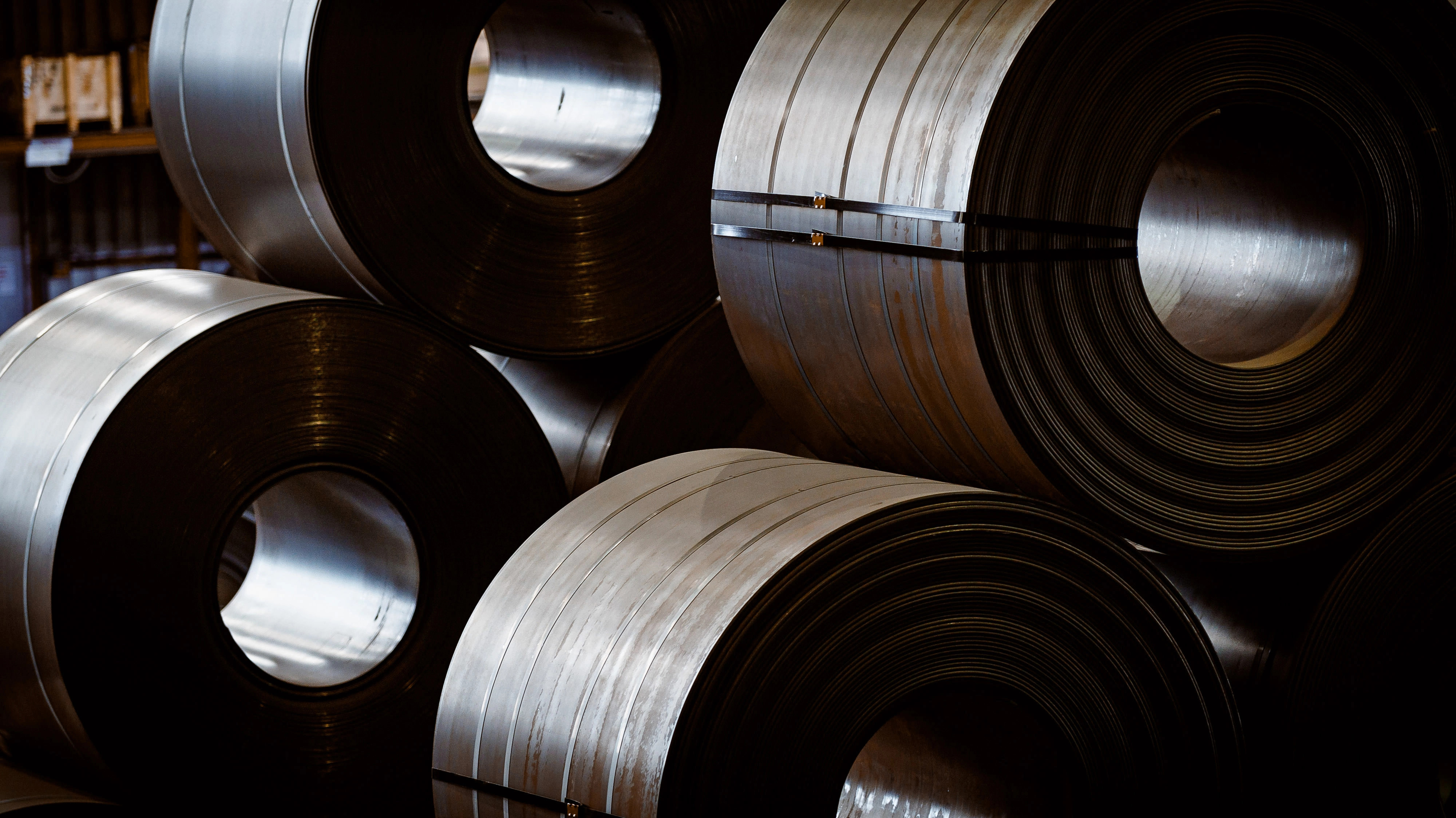
    steel coils

    October service center shipments and inventories report

    US service centers’ flat-rolled steel supply increased marginally for a second straight month in October. Shipping days of supply rose to 46.6 last month, according to SMU data. That figure marks a 1.7% increase from 45.9 shipping days in September. October’s result represents continued modest gains after inventories hit a five-year low in August. Despite the uptick, inventories are nearly 13% below October 2025 levels. Sheet inventories have averaged ~48 shipping days of supply year-to-date, down nearly 17% over the same year-ago period. Flat-rolled inventories represented 2.12 months of supply in October, down 3.0% from 2.18 in September, and 8.6% below October 2025’s 2.32 months. The month-on-month (m/m) decline in months of supply resulted from a decline (-9.6%) in intake that was backed by a modest 4.1% m/m increase in shipments.