• Skip to main content

    Market Data

    SSAB Americas to Supply Low-Carbon Steel for Wind Towers

    Written by Ethan Bernard


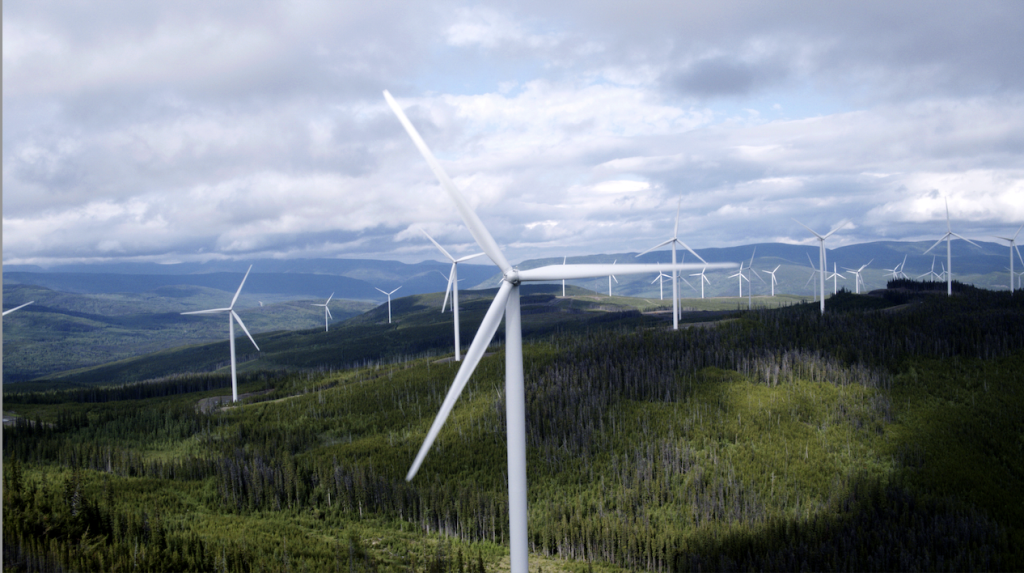
    SSAB Americas will supply its low-carbon SSAB Zero steel to GE Vernova Onshore Wind for wind towers in North America.

    SSAB Zero, made at SSAB Americas’ plate mill in Montpelier, Iowa, will help GE reach its carbon emissions objectives, while also maintaining the quality needed for this “sophisticated end-use application,” the steelmaker said in a press release on Friday, Nov. 10.

    SSAB Americas is a subsidiary of Sweden’s SSAB.

    “GE Vernova’s position as an industry leader across multiple segments of the energy sector, coupled with their focus on decarbonization, makes it a perfect fit to use SSAB Zero,” Jeff Moskaluk, SSAB Americas SVP and chief commercial officer, said.

    Cambridge, Massachusetts-based GE Vernova is global energy company that includes power, wind, and electrification segments.

    “This collaboration is a key step forward for our companies and the renewable industry to succeed for clean energy not only in its generation, but its manufacturing and supply chain,” Roger Martella, GE Vernova’s chief sustainability officer, said.

    SSAB Zero has ‘zero emissions’ — less than 0.05 kg CO2 emissions per kg of steel in scope 1 and 2 — from melt to cast, according to the release.

    “SSAB remains focused on taking a science-based, data-driven approach to reducing CO2 emissions directly at the source,” noted Chuck Schmitt, president of SSAB Americas.

    Ethan Bernard

    Read more from Ethan Bernard

    Latest in Market Data

    pipe yard

    US rigs reach multi-year high, Canadian activity edges lower

    The latest count of active drilling rigs in the US rose, while activity eased in Canada this week, according to oil and gas rig count data published by Baker Hughes. The US rig count moved up to 607 rigs this week, reaching a 30-month high. Compared with this time last year, 53 more rigs are in operation today. Canada’s count slipped by two to 231 rigs this week, starting a bit of a seesaw pattern over the past five weeks. Activity is up from the same week of 2025, with 36 more rigs operating today.

    Brazilian pig iron trade stuck in doldrums

    The pig iron import market has been remarkably devoid of activity over the last month in Brazil. Brazilian contacts have not reported any new sales to the US in over a month. Several repeated inquiries about new pig iron sales to the US have produced no new reports of activity. SMU contacted one of the larger channels in Brazil who said there have been no new sales to the US since December cargoes were concluded to USA buyers in mid-October at prices of ~$454 per metric ton FOB, as previously reported in out last update. This channel said the organization’s current offer for January shipment is $455-460/mt, which is not too much higher than the last confirmed transactions.

    North American auto output rebounds in October

    North American auto assemblies rebounded 6.5% from September to 1.369 million units in October, driven by improved personal and commercial vehicle production, according to GlobalData. After steady gains through Q2, automotive production has been inconsistent, continuing a seesaw pattern, evident again last month. Still, assemblies remain muted and well below pre-pandemic levels. Total production was nearly even with October 2025, down 0.5% from a year earlier. Still, last month’s production total was 6.3% above 2026’s monthly average of 1.287 million units.

    AIA: Architecture billings remain weak in October

    Architecture firms continued to report declining billings in October, though commercial/industrial practices remained a brighter spot, according to the latest Architecture Billings Index (ABI) release from the American Institute of Architects (AIA) and Deltek. The October ABI stood at 44.9 (Figure 1), little changed from September’s 44.7, and indicating continued weakness in architecture business conditions. New project inquires increased again, but the pace of growth slowed from September. Meanwhile, the value of newly signed design contracts continued to decline, suggesting client interest has yet to translate into a sustained improvement in committed work.