
• Skip to main content

    CRU

    CRU: Interest in AHMSA is growing

    Written by CRU


    This news item was first published by CRU. To learn about CRU’s global commodities research and analysis services, visit www.crugroup.com

    Representatives of at least six companies interested in acquiring AHMSA have reportedly begun to carry out physical inspections of the insolvent company’s assets.

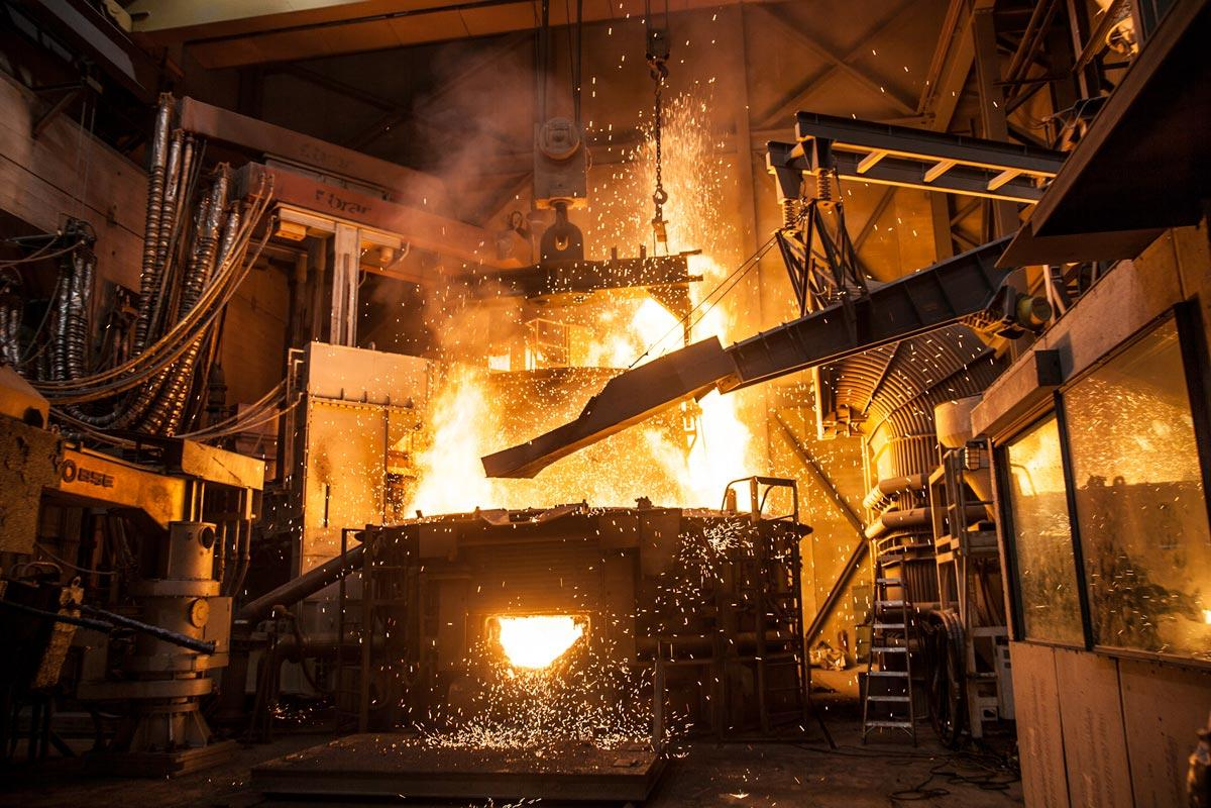
    The assets are primarily a long-idled steelworks in Monclova, iron ore mines in Sierra Mojada, and coal mines in Nava, all within Coahuila state, northern Mexico.

    A month ago, trustee Víctor Manuel Aguilera said the company had attracted two potential buyers, with more likely to express interest.

    Workers’ representatives say inspectors from companies interested in bidding for AHMSA have arrived in recent days to check the condition of its equipment ahead of an auction, part of the bankruptcy process.

    “The tours that the international stakeholders have made, in plants and mines, have yielded a very positive conclusion: the infrastructure is viable and only requires investment in preventive and corrective maintenance to return to operation,” union leader Ismael Leija Escalante was quoted as saying in local media.

    Trustee Aguilera has set a value of $1.326 billion on AHMSA’s assets. Pre-sale conditions include the debt to workers and more than 1,700 creditor companies, which exceeds $1.6 billion, as well as the assurance of the works’ operational continuity.

    Altos Hornos de México was a flat-rolled steel producer with an annual capacity of over 4 million tons at its peak. But it stopped operating late in 2022 after electricity supplier CFE cut off power due to unpaid bills. AHMSA was declared bankrupt in November 2024.

    CRU

    Read more from CRU

    Latest in CRU

    CRU: Global finished steel prices diverge, US the rare bright spot

    CRU: Global finished steel prices have diverged in August, with longs softening while sheet and plate firmed in most regions. Weak construction demand persisted across most longs markets, with the US the notable exception. Higher sheet prices were driven by tightening supply in the US and reduced import attractiveness in Europe, even as APAC sheet prices declined. Plate prices were mostly firmer across APAC, stable to down in Europe, and continued climbing in the US.