Analysis
February 16, 2026
US scrap prices rise in February after January weather
Written by Stephen Miller
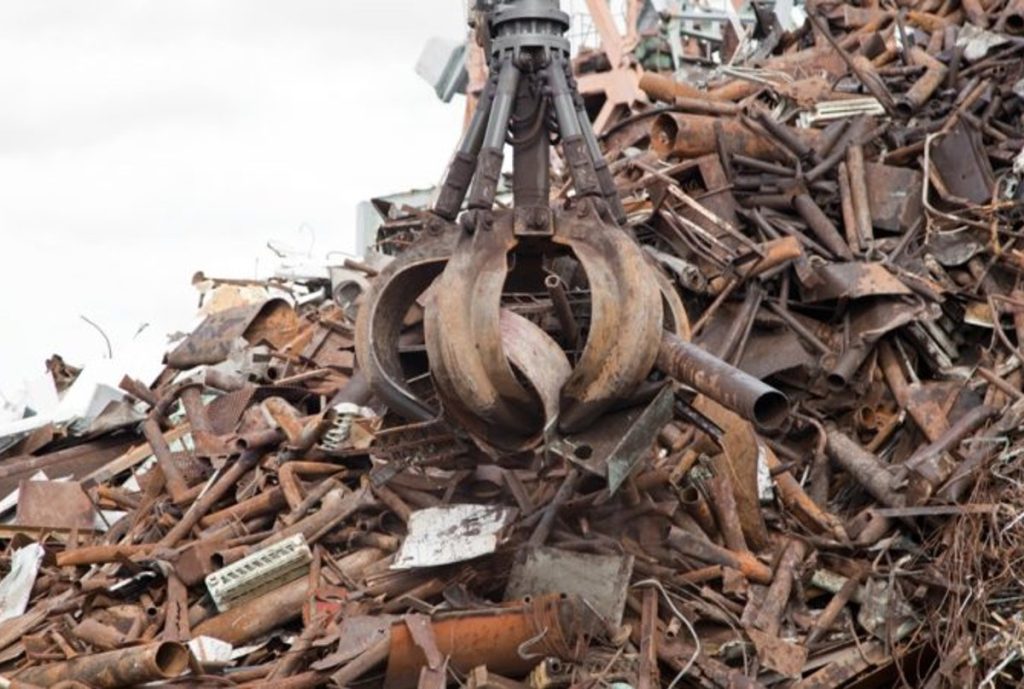
The US domestic scrap market is trying to return to normality after an intemperate January weather cycle, as prices reportedly increased in February.
During this period, we saw slowing movement of scrap into processors’ yard and shipments to steelmakers. This, in part, caused February prices to rise, but not to the extent some players were projecting.
However, prices for most grades rose by ~$30 per gross ton (gt) with grades like 5’ P&S only increasing by $20/gt from January levels. Shredded prices were all up ~$30/gt except in the South.
In that region, a large steelmaker reportedly insisted on pricing between up $25 to 28.50/gt, depending on location. Dealers in this region had resisted initial shredded bids at only up $20/gt from this buyer.
Outlook
Opinions on where the scrap market will trend going into March are varied. Most are saying prices should fall due to better weather for scrap flows and deliveries. However, a significant minority claim March may be too soon for a decrease in price since scrap flows will take longer to return to near normal levels.
SMU spoke with an industry veteran in the Midwest region. He believes the US market will be a strong sideways in March. He said, despite that many players are basing their downward predictions on climate improvement, their careers as weathermen may be short-lived. In the Midwest, winter weather does not stop in February or March, he continued.
“Scrap intake into yards is still poor and current inventories are at a two-year low,” he said. The source added many dealers sold less in February and are playing catch up on existing orders. This could mean March will be sideways at worst.
In the South, SMU contacted a source with multiple facilities. He said it’s too early to make any predictions for March right now, so he’s staying out of the debate.
But he did say flows into yards have improved to the point where his company’s inbound receipts are off just slightly. He said the economic indicators are positive lately and this could mean increased steel production.
In the central district, a source said inbound flows are slightly improved but are still quite slow. This information complements a report we received from a mill source with several scrap facilities in the general area.
He said flows are improving but they “have not broken loose. We are busier at our yards than we were in January and the first five days of February, but we are not inundated just yet.”
He went on to say if the weather cooperates, it is possible obsolete scrap could fall, but March seems flat to him presently. He also thought prime grades could hold with the price of HRC.