• Skip to main content

    Market Data

    Beige Book: Manufacturing edges higher as metals costs jump

    Written by Laura Miller


    US manufacturing activity edged higher across most Federal Reserve Districts, with the Beige Book describing gains ranging from slight to moderate as producers navigated rising input costs and heightened geopolitical uncertainty.

    The Fed’s latest Beige Book report was released on April 15. Comparisons are to the previous Beige Book report released on March 4.


    Several districts this month reported stronger orders tied to data center construction, aerospace, and defense, while others noted customers were still working down inventories.

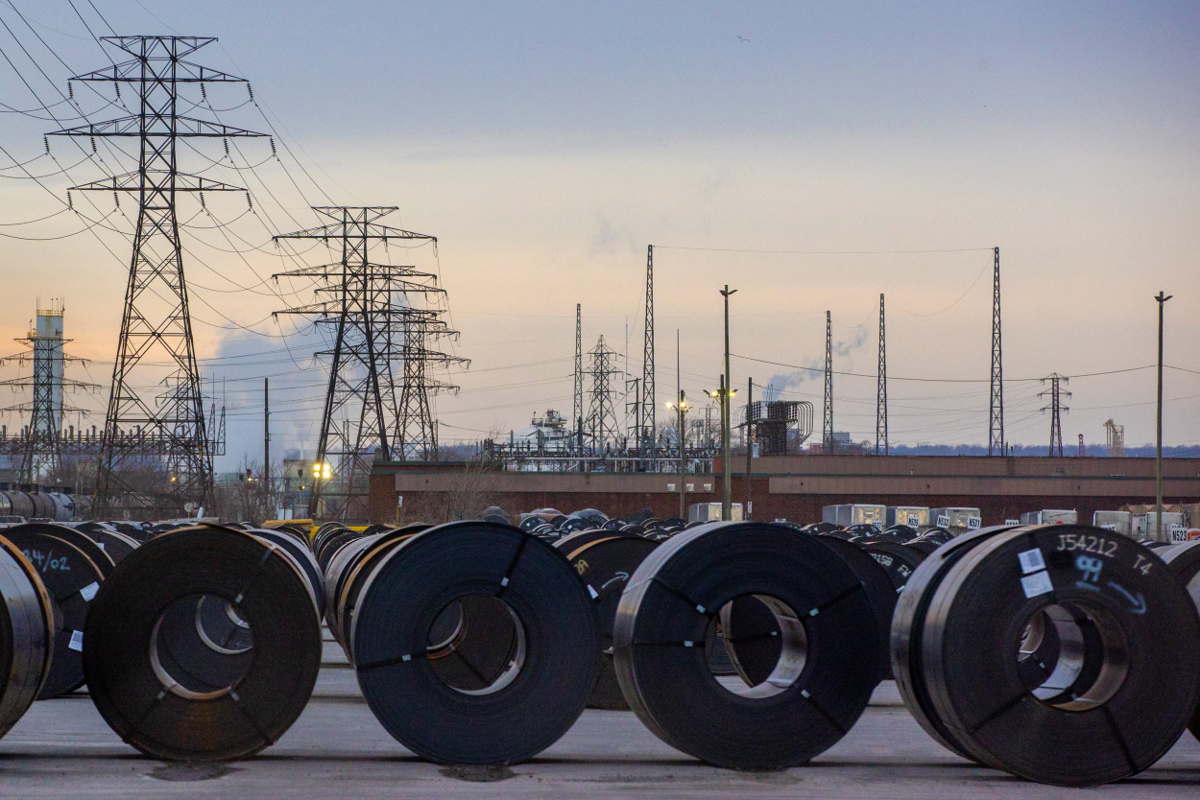
    In the Cleveland District, for example, “materials costs continued to rise, particularly for metals like copper, steel, and aluminum, with manufacturers citing tariffs as drivers.”

    Despite an uneven demand picture, most manufacturers expected activity to increase modestly heading into summer.

    Input costs outpace selling prices

    Input cost pressures intensified nationwide, driven primarily by energy markets and tariff-related metals inflation, the Beige Book said.

    Multiple districts cited sharp increases in freight, fuel, and petroleum-based materials, with several manufacturers implementing temporary surcharges. The New York Fed noted “particularly sharp increases in the cost of steel, plastics, and electronics.” At the same time, Kansas City contacts reported suppliers adding “automative surcharges tied to logistics and energy inputs.”

    These pressures squeezed margins, according to the Beige Book, as selling prices generally rose more slowly than costs.

    Construction, transportation, and energy shape steel demand

    Manufacturing-adjacent sectors, including construction, transportation, and energy, showed mixed but directionally important signals for steel demand.

    Data center construction remained a standout driver in multiple districts, including Cleveland and Richmond, where fabricators supplying electrical enclosures, racking, and precision sheet metal reported strong pipelines.

    Transportation firms across Minneapolis and Dallas cited rising diesel costs and fuel surcharges, with one Minneapolis manufacturer saying, “We will need to charge more for parts being manufactured to offset those price increases.” Higher freight costs are already being reflected in delivered steel prices in several regions.

    Energy markets add another layer of volatility

    Oil and gas activity ticked up in the Dallas and Kansas City districts, but producers remained cautious about increasing drilling despite higher crude prices.

    The Dallas Fed noted that the closure of the Strait of Hormuz has “tightened the global refined product market” and pushed Gulf Coast petrochemical margins to their highest levels since 2022. Elevated diesel and jet fuel prices are expected to keep upward pressure on input costs.

    Tariffs and geopolitics slow capital spending

    Across the country, uncertainty tied to the Middle East conflict and shifting tariff policy weighed heavily on capital planning.

    Several manufacturers delayed equipment purchases or paused expansion plans. They cited unpredictable import costs and volatile energy markets.

    Even with these headwinds, sentiment remained cautiously optimistic, with most districts expecting modest manufacturing growth through mid-2026, though with thinner margins and tighter cost controls.

    Laura Miller

    Read more from Laura Miller

    Latest in Market Data