Analysis

July 16, 2026
June service center shipments and inventories report
Written by David Schollaert
Flat rolled = 44.5 shipping days of supply
Plate = 45.5 shipping days of supply



Analysis
July 16, 2026
Written by David Schollaert
Flat rolled = 44.5 shipping days of supply
Plate = 45.5 shipping days of supply
AZZ Inc. said galvanized flat-rolled steel availability remains a constraint for its Precoat Metals business, complicating customer sourcing and logistics. Customers are having difficulty securing substrate within required timeframes, and costs remain elevated, President and CEO Tom Ferguson said on an earnings conference call on Wednesday. He said AZZ is helping customers locate domestic and imported material and manage logistics. The situation has “definitely” affected the business, he added. “It’s tight. We see it every day, particularly galvanized sheet metal.”

Ferrous scrap prices rose in October as the market grew firmer, scrap sources said. “Overall, the main drivers of this October were strong US mill demand and order books, an export market that had risen over the course of September but has now pulled back slightly, and the season,” one source told SMU. He said at this time dealers and mills anticipate that scrap flows will begin to slow down moving into the end of the year.
AZZ Inc. raised its fiscal 2027 guidance after reporting record second-quarter sales and adjusted earnings, supported by higher volumes and pricing in both its Metal Coatings and Precoat Metals segments. AZZ reported fiscal second-quarter sales of $486.9 million for the three months ended Aug. 31, up 16.7% from the prior-year quarter. Net income fell 34.6% year over year (y/y) to $58.45 million. “During the quarter, we benefited from organic sales growth, the continued ramp-up of our new Washington, Missouri facility within our Precoat Metals segment, and the completion of a strategic Metal Coatings acquisition in the Pacific Northwest,” noted President and CEO Tom Ferguson.

US flat-rolled steel import licenses climbed in September, extending a recovery after several months of depressed inbound shipments. Licenses rose 4.9% month on month to 679,889 short tons (st), their highest level in 14 months and 29.1% above the 12-month moving average (12MMA) for August, according to Commerce Department data. The increase was led by cold-rolled sheet and other metallic-coated products, with particularly sharp gains in licenses from Turkey, Taiwan, and South Korea. Hot-rolled sheet licenses eased from August’s 19-month high, while galvanized sheet, coiled plate and cut-to-length plate also slipped month on month. Even so, licenses for hot-rolled sheet and both plate categories remained elevated relative to their recent averages, pointing to continued strength across several product lines.
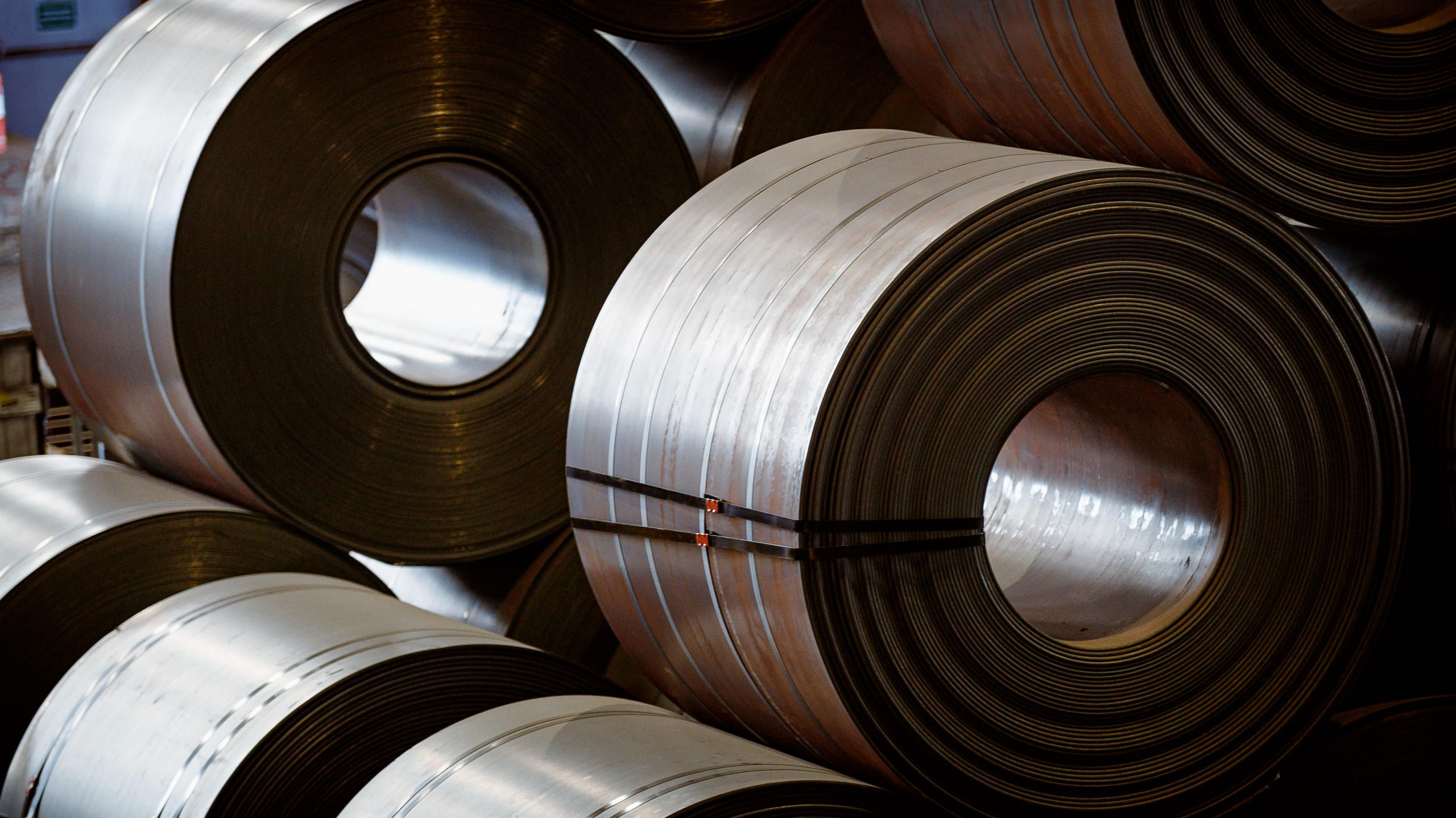
US sheet and plate prices continued to march higher this week as a market squeeze that’s been in place for months now showed no signs of letting up. Market participants, some mostly focused on 2027 contract negotiations, said that it was increasingly difficult to even get a quote for spot tonnage from domestic mills, which firmly retain their grip on pricing power. SMU’s hot-rolled (HR) coil price stands at...