North Star results improve despite buyer caution as tariffs drive prices higher
North Star BlueScope said it is optimistic that US tariffs will bolster selling prices and tighten the spread the Australia-based steel maker suffered in 2025.


North Star BlueScope said it is optimistic that US tariffs will bolster selling prices and tighten the spread the Australia-based steel maker suffered in 2025.
US raw steel production declined last week, according to the latest data released by the American Iron and Steel Institute (AISI).
North American auto assemblies declined in July, down 16.4% vs. August. But, according to GlobalData, assemblies were 2.4% ahead year on year (y/y).
US light-vehicle (LV) sales increased to an unadjusted 1.37 million units in July, 8.7% over June and 6.6% above year-ago totals, according to US Bureau of Economic Analysis data.
Olympic Steel Inc. has promoted Vincent Anza to the role of general manager for its Milford, Conn., facility.

The question of the new world order was on many minds last week when I spoke on another SMU Community Chat. The short answer is that nobody knows in detail what the effects of all the economic and geopolitical developments will be.

Business activity in New York state improved modestly in August. It was just the second positive reading for the general business conditions index in six months.

Cleveland-Cliffs Inc. has reportedly signed "unusually long" fixed-price supply agreements with multiple US automakers.
U.S. Steel, Allegheny County executive Sara Innamorato, and Pennsylvania Gov. Josh Shapiro clarified details from early reports about the Clairton Coke Works facility explosion just one day earlier.

“This facility marks not just a new chapter for National Tube Supply, but a strategic investment in the future of our business and the industries we serve, especially customers here in the West,” said NTS President Gary Throw.
Canada has launched an investigation into the alleged dumping of imports of oil country tubular goods (OCTG) by five countries – Korea, the Philippines, Turkey, Mexico, and the United States.
“We are committed to bring the hot-end back to full operation. The goal is to bring back to work all employees of the currently idled units as soon as we can," Chairman, President, and CEO Lourenco Goncalves said in a letter to colleagues on Wednesday.
Line pipe manufacturer Welspun Tubular LLC has announced a $150-million expansion project at its site in Little Rock, Ark.
US President Donald Trump extended the US and China’s 90-day pause on planned reciprocal tariffs on Monday.
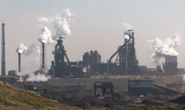
U.S. Steel’s Clairton Coke Works experienced a powerful blast at 10:51 a.m. local time on Monday. First reports suggest the explosion sparked a destructive fire at the site.
Nucor has implemented a double-digit price decrease on spot hot-rolled (HR) coil for the second consecutive week.

The administration continues to negotiate deals with US trading partners, and the reciprocal tariff program appears poised for further modification. This week, we focus on other important developments that may have received less media attention.
Friedman Industries’ fiscal first-quarter earnings nearly doubled from a year ago.
Russel Metals posted its strongest quarterly revenue in three years, fueled by higher steel prices, steady demand, and near-record shipments across its service center network.
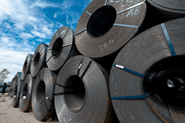
Hot rolled spot market participants reported another week of moderate demand and ample supply, with no strong signs that conditions will change next week.
SunCoke Energy completed its previously announced $325-million acquisition of Phoenix Global on Friday, Aug. 1.

Truchas works in Lazaro Cadenas, Michoacan, western Mexico. Repairs may take up to six months.
The tariffs amount to a wholesale transformation of US trade policy from one promoting increasing international interaction to one of restricting trade to serve national strategic goals.
Nippon Steel earnings take hit from buy of U.S. Steel.

Her insatiable curiosity and desire to solve complex problems remain at the forefront of O’Neal Steel President and CEO Jodi Parnell’s success in the steel industry. Parnell is as fluent in employee management styles as she is in managing successful client technology adoption.
Olympic Steel's earnings fell in the second quarter amid an "unprecedented" environment in the metals industry.
Atlas Holdings has completed its acquisition of Evraz North America (Evraz NA) and its subsidiaries.
ArcelorMittal expects less demand growth across most of the markets it operates in, including the US, because of President Donald Trump’s tariffs. But the Luxembourg-based steelmaker also thinks it stands to benefit from an increasingly regionalized world thanks to investments like the new EAF at its mill in Calvert, Ala.
Latin American steel producer Ternium delivered a solid performance in the second quarter of 2025. Performance was driven primarily by higher realized steel prices in Mexico, even as shipment volumes declined slightly across its regional portfolio.
Canada’s Algoma Steel saw a sharp loss in the second quarter amid a continued challenging market environment and “tariff uncertainties.”