Miller on Pig Iron: Brazilian tariffs threaten turmoil in sector
The announcement of 50% tariffs on Brazilian imports, including pig iron, could have a dramatic effect on steelmaking raw materials.


The announcement of 50% tariffs on Brazilian imports, including pig iron, could have a dramatic effect on steelmaking raw materials.
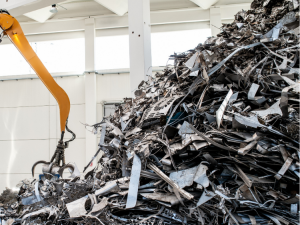
Ferrous scrap prices are flat in the US for a second consecutive month, but tariffs on imports of Brazilian pig iron could change the game in August.

President Donald Trump on Wednesday said he would increase the “reciprocal” tariff on imports from Brazil to 50% effective Aug. 1. That could have big implications for pig iron.

The resistance Brazilian pig iron sellers had shown to accepting lower prices has proved short-lived, sources told SMU.
The moves include reciprocal procurement restrictions, import quotas, and the formation of stakeholder task forces for aluminum industries.
Brazilian pig iron prices fail to rise after ferrous scrap market settle.
Highlights from the week and things to keep an eye on.
Rio Tinto is embarking on a major upgrade of the nearly century-old hydroelectric station in Quebec to secure low-carbon power for its aluminum smelters in the region.
Iron ore prices were largely steady in March, hovering around $100–102 per dry metric ton (dmt) in a quiet market.

Do we want the benefits of the Section 232 tariffs to flow to the bottom lines of foreign steel and aluminum producers or to the US government and, ultimately, domestic manufacturers and their workers? In our view, the answer is simple. Section 232 exceptions do nothing more than lead to underserved profits for foreign manufacturers who are harming the US industrial base. That revenue could be used to pursue the Trump administration’s other policy priorities - such as deficit reduction or expanded tax cuts.
The problem is that the situation in Washington is so fluid that no one really knows what to expect
Executive orders, LME volatility and more
EU restrictions on Russia, Canadian tariffs, scrap leakage and more

Many people have shaken off the post-holiday blues. But for primary aluminum operators, “power blues” are enduring.
A bleak outlook for steel demand has undermined market confidence, contributing to the drop in prices.
Recovery continues but geopolitical risks remain for 2025
Highlights from the aluminum industry this week
Aloca reports strong results Alcoa‘s performance improved in Q3 due to reduced costs and higher alumina prices, the Pittsburgh-based company said in its Q3 financial results. The report coincided with an announcement on the future of Alcoa San Ciprián operations, in the Galicia region of Spain – a strategic agreement with IGNIS EQT, a Madrid-based […]
A roundup of the week's CRU aluminum news.
CRU Aluminum Analyst Marziyeh Horeh shares a roundup of this week's news from the aluminum industry.
Long seen as being dominated by iron ore operations in Western Australia, diversified miner Rio Tinto is at an inflection point in its growth, according to CEO Jakob Stausholm, who referred to a step change from its aluminium business and consistent iron ore production at Pilbara. “We have considerable growth in cash flow from the […]
A roundup of CRU aluminum news from the past week.
A roundup of aluminum news from CRU.

The Mexican government said on Thursday that it had negotiated a temporary carve out for Brazilian steel in recently updated Section 232 rules. Mexico said that the pact would stretch until 2027, by which point all steel exported to the US would have to me “melted and poured” within North America.
A roundup of recent aluminum news from CRU.

We’re just a few months away from SMU’s Steel Summit 2024 – North America’s premier flat-rolled steel conference.
The LME 3-month price for aluminum was broadly stable on the morning of May 24 and, at the writing of this article, was last seen trading at $2,627 per metric ton. The price fell sharply during the week from its recent peak amid hawkish comments from Fed officials, as indicated in the minutes of the […]
Brazil’s chamber of foreign trade, Camex, has approved quotas on imports of 11 steel products and a 25% levy on shipments 30% above a product’s average import volume between 2020 and 2022.
If successful in its overtures to Anglo American, BHP will create the world’s largest diversified miner by a country mile. The rationale for this merger is scale and in mining, size matters.

Prices for pig iron in Brazil have increased despite efforts by US-based buyers to lower them.