Analysis
January 9, 2026
Plate sources welcome sticky price hikes, large order volumes
Written by Kristen DiLandro
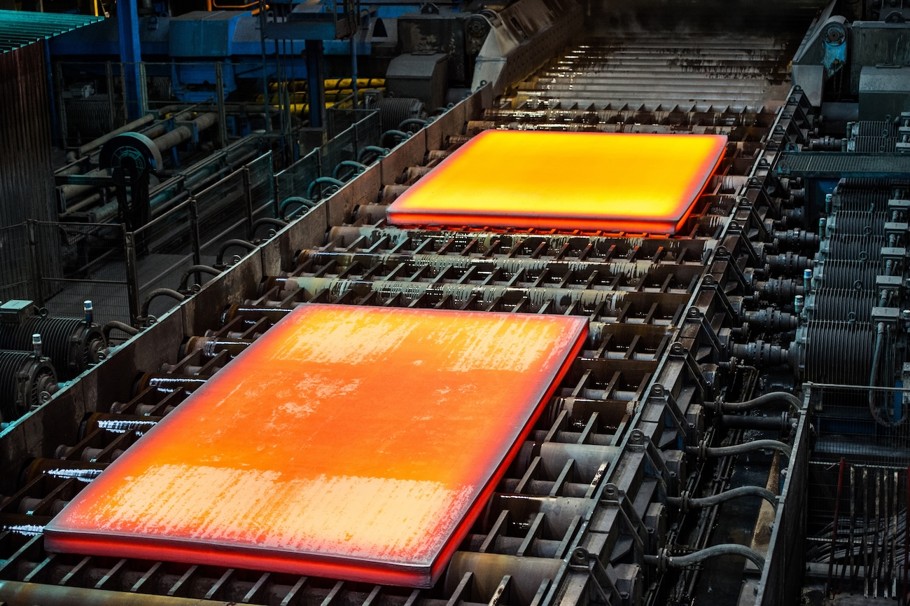
Steel plate market participants think increasing spot prices and growing order volumes could stick around. That’s two encouraging signs for the year ahead, they said.
Oregon Steel Mills, SSAB, and Nucor all increased base prices for plate products by $40 per short ton (st) in the final weeks of December. SMU data also indicates that mills are less likely to negotiate lower plate prices than they had been in prior weeks.
That said, with US prices moving higher, South Korean steel plate imports have gained buyer attention. Sources said competitive pricing could make the imports an attractive alternative – especially with longer lead times at certain domestic mills.
Market Commentary
Sources told SMU that the plate market is firm enough to support the price increases from mills. Some say fears around restocking have been assuaged by upticks in customer demand. Others remain cautious, but optimistic.
Meanwhile, two participants located on opposite coasts said that domestic producer price hikes have made imports South Korea look more enticing – even if they’re leery of turning to imports just yet.
A West Coast service center source said plate from South Korea was scheduled to arrive in the US soon. And weighing whether to purchase plate from import or domestic sources has become a “guessing game.”
“It’s always a bit of a guessing game. But it didn’t use to be quite this way in years past because there were bigger spreads. Now, if tariffs go away, that could impact prices as well,” he added.
The East Coast service center source said the market was unlikely to turn to imports unless domestic supply looked constrained or lead times were too long. He agreed that import pricing was becoming attractive. He also added that customer service could determine whether the market turns to imports.
“I do see imports coming in. We are restocking at common price levels. We opted to go strong with some huge orders that are shipping now. The data for the coming year’s demand looks great,” the East Coast source said.
He said he expects surging plate demand spurred on by growth in data center construction, mining operations, line pipe developments, and military needs.
But East Coaster source also noted that his company had decided to forgo placing orders with one domestic producer he accused of being “grossly mismanaged.” He added: “We would have been one of their largest customers. If they can manage their supply better, then we don’t anticipate a need to import. But if they continue to be dysfunctional, the market will have to look at imports to fulfill their needs.”
A Midwestern source also lodged frustrations with the same producer. “They play stupid games with prices and shut themselves out of sales. They quote impractical delivery schedules, saying that we can’t get products for months, when it seems like they have stock. … Terrible customer experience,” he said.
Meanwhile, an Ohio Valley market participant said he placed a low-volume plate order that reflected a $40/st increase over his last order. “Demand is good and expected to be strong through 2026. Prices are climbing, stock remains good, and business is up since we returned from the holiday. It’s only been a few days, but it’s encouraging. All products have had increases that are sticking, and we expect even more in February if demand stays as is,” he said.
Plate Prices
SMU’s spot price assessment for domestically produced plate averaged $1,035/st. The price reflects a $15/st increase from the previous week.
In same week last year, the average spot price for plate was $865/st. You can use SMU’s Interactive Pricing Tool to find historic pricing data.
All prices are fob domestic mill prices unless otherwise noted.