Community Events
March 26, 2026
Final Thoughts: SMU Steel 101 goes to Monterrey, Mexico!
Written by David Schollaert
We wrapped up another SMU Steel 101 workshop last week. And this time, we had the privilege of taking our hands-on industry workshop on steelmaking and market fundamentals abroad. Namely, to Monterrey, Mexico.
And, Monterrey, you are magnificent! Few cities possess the ability to leave such a lasting and distinguished impression as you do.
Monterrey
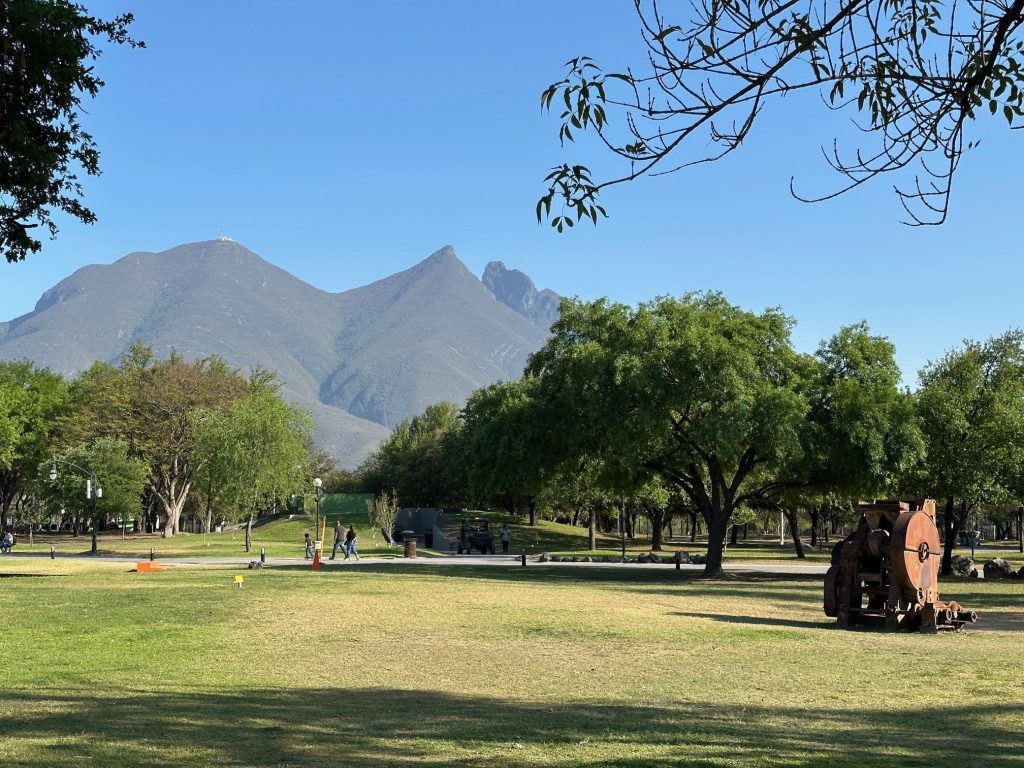
From the moment Monterrey comes in view—cradled by the Sierra Madre mountains—it’s clear it’s not just a place on a map but a force of nature and of industry.
Monterrey’s modern skyline reflects innovation and economic vitality. And the city’s history as a center of steelmaking truly sets it apart.
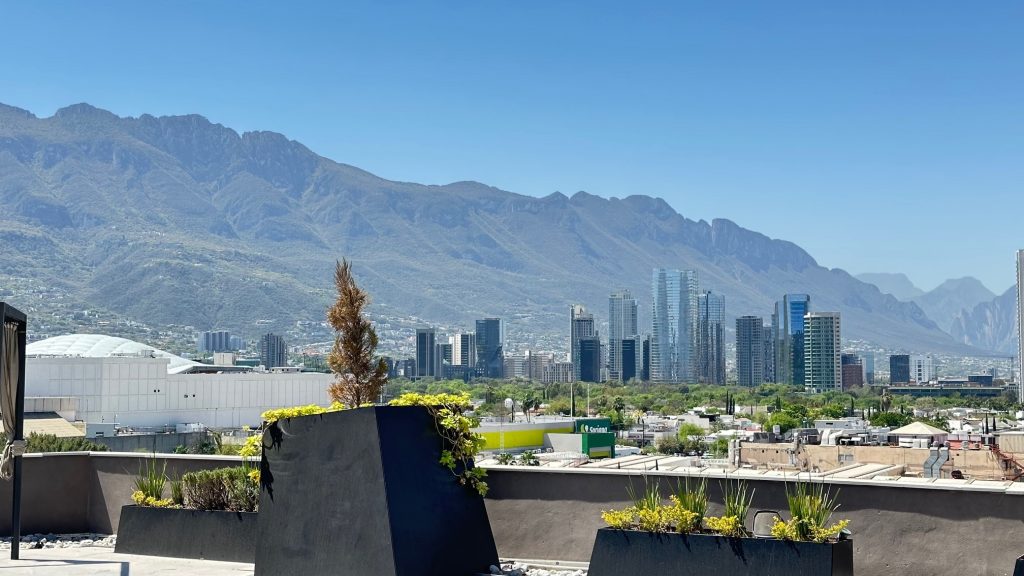
Steel isn’t just a product in Monterrey. It’s part of an identity. It forged Monterrey’s growth, shaped its communities, and became a symbol of the resilience that defines the city.
Monterrey might be known for the breathtaking views from Chipinque mountain. But the Parque Fundidora, located on the grounds of a former integrated steel mill, is a personal favorite. I’ll go so far as to say anyone who spends time in Monterrey is already planning their return.
More on that later.
Ternium and Pesquería
Monterrey is home to Ternium Mexico’s corporate offices and about 50 minutes southwest of its industrial center in Pesquería. We had 35 attendees gather at the Camino Real hotel in San Pedro Garza García. They came from the US, Mexico, as well as Central and South America—a diverse group representing the scope of the steel industry across the Western Hemisphere.
Like our conferences, our workshops engage the supply chain from top to bottom. In Monterrey, the course was no different. Attendees came from mills, service centers, and OEMs.
In the classroom
Those attending got a front-row seat to the entire life cycle of steel: from raw materials like scrap and ore all the way to downstream applications like automotive—and everything in between. And it’s not hard to do when you have an amazing group of instructors, who together have over a century of experience in the steel industry—from sales and quality control to electrical and metallurgical engineering.
A special shout-out and huge thanks to our outstanding instructors: Roger Walburn, Chuck McDaniels, and Mario Briccetti. Acquainted with just about every facet of the industry, they possess a wealth of knowledge and a passion for sharing it.
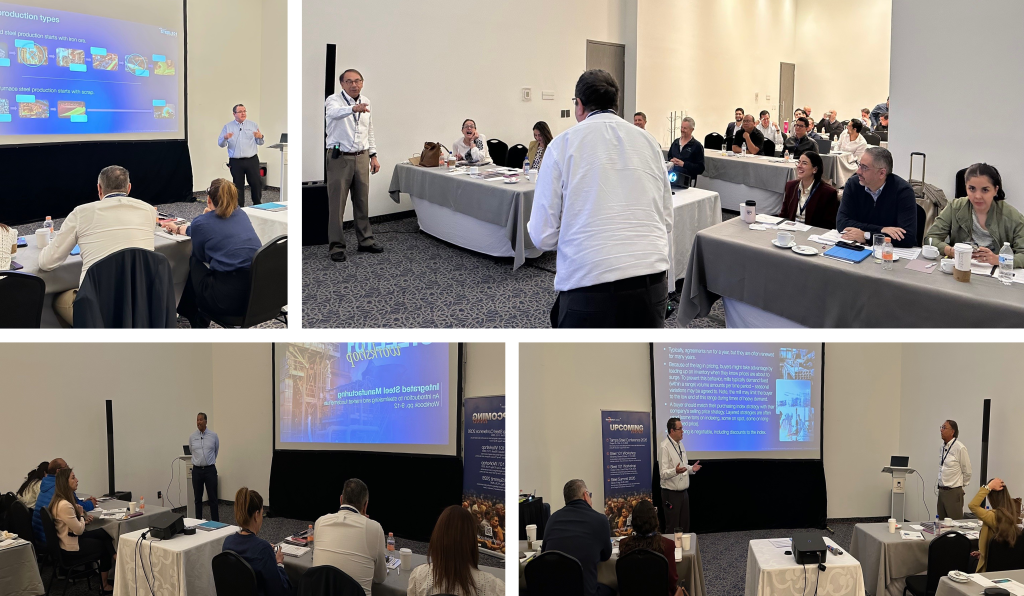
From the differences between electric-arc furnace (EAF) and integrated steelmaking to the intricacies of steel pricing, the instructors covered it all. And, of course, there was always enough time to walk through questions from the students.
Beyond the course, there were ample networking opportunities, including happy hours and meals where attendees could mingle and get to know each other. Perhaps share a business card or LinkedIn invite. And maybe even have a little fun in the process.
Roberto Roca Technical School
While we had two intensive learning days in the classroom, with all students keen to see Pesquería’s industrial center in all its glory, I believe few anticipated how impactful a pit-stop at the Roberto Rocca Technical School would be.
A STEM‑focused technical middle school and high school—created by the Techint Group, Ternium’s parent company—is quite literally transforming lives and impacting the community at a generational scale. Kids who might otherwise have become farmers like their parents and grandparents are learning welding, robotics—and even a little Kafka.
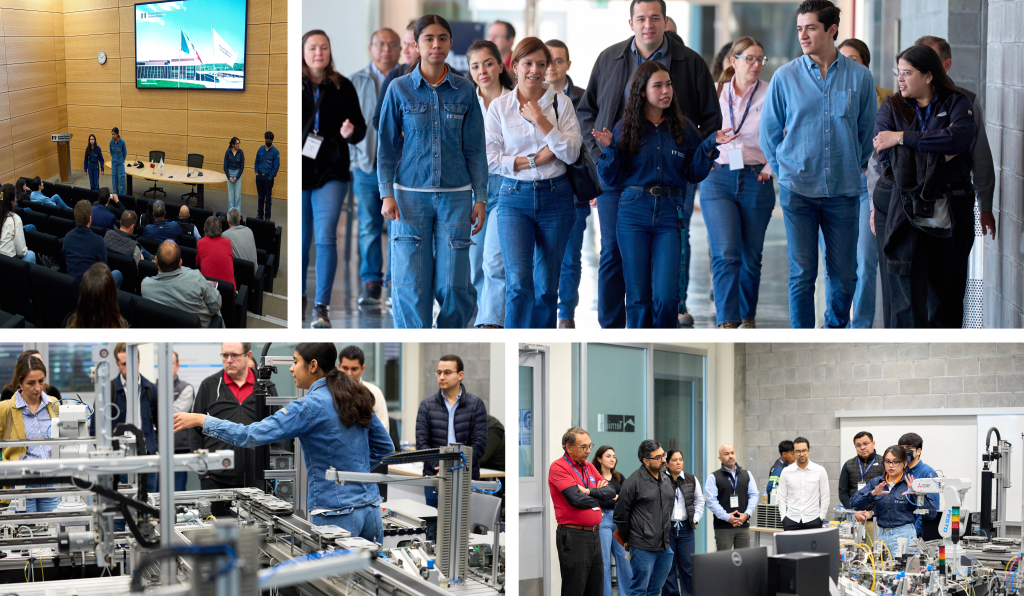
The campus opened in 2016 and provides top‑tier technical education on a nearly 100% scholarship‑based program—ensuring equal access regardless of socioeconomic background. The programs align with the needs of Ternium’s steelmaking operations and the broader industrial ecosystem of Nuevo León.
It was a remarkable stop on our way to the mill.
At the mill
After a 10-minute bus ride from the technical school, we were at Ternium’s Pesquería campus. After donning our PPE and marveling at a 15-foot touch-screen display that detailed mill operations in real-time, we were ready to go.
Pesquería campus is massive and impressive. It’s one of the most advanced steel complexes in the Americas. It combines hot-rolling, cold‑rolling, galvanizing, painting, R&D, and—by the end of the year—EAF/DRI steelmaking too.
Ternium metallurgists split us up into groups of eight and took us on a guided tour through the hot strip mill.
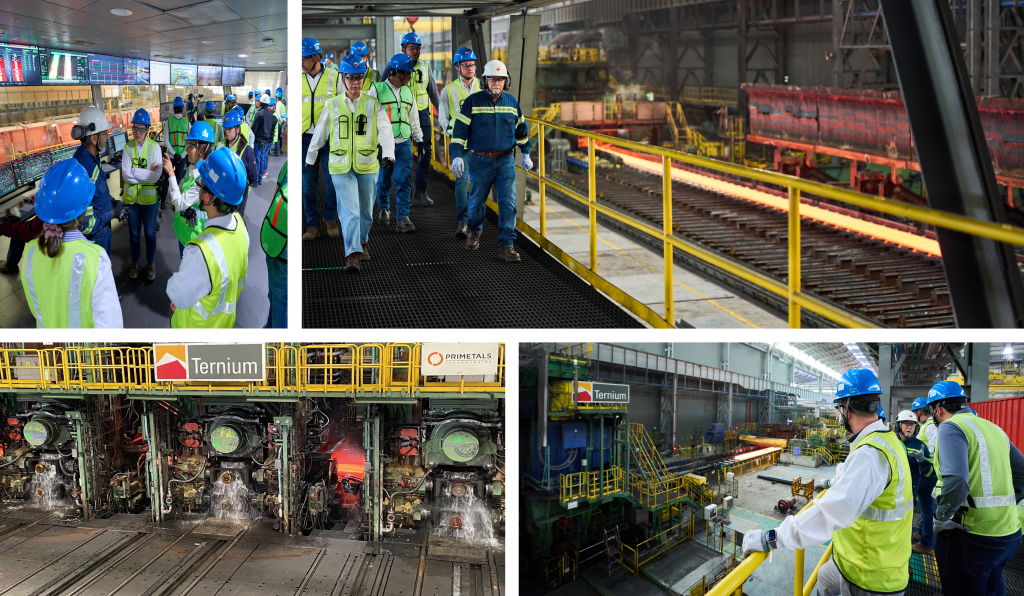
As workers took us across a catwalk that spanned the hot rolling mill, all the theoretical knowledge we learned in class turned real. Hands-on is an understatement! It’s one thing to see a PowerPoint slide, but another to be just feet away from a 2282°F slab in all its glory. Nothing quite prepares you for the sight and sound of tons of steel taking shape in a rolling mill.
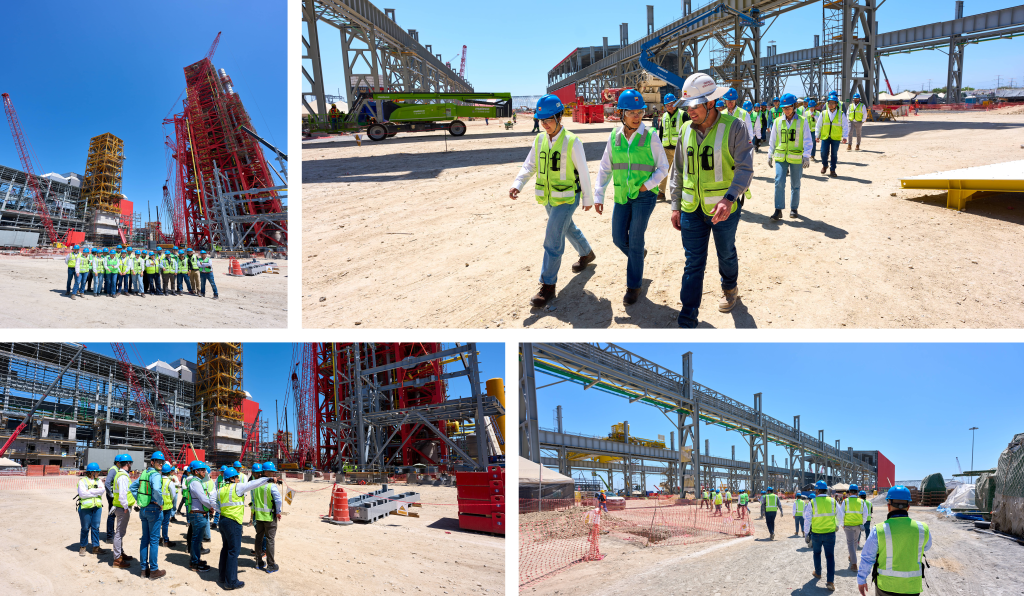
As part of the tour, we walked the construction site of Pesquería 3—an EAF‑DRI steel shop with an annual capacity of 2.6 million tons of steel slabs. It’s positioned adjacent to the existing 4.4-million-ton hot‑rolling mill we saw.
The new mill will have a massive 300-ton electric arc furnace and a 500-foot-tall direct reduced iron (DRI) tower that will hot charge DRI directly into the EAF.
We ended the tour with a very traditional Argentine ‘asado a la estaca’ gaucho-style lunch cookout at La Palapa—a pavilion right next to a lake on Pesquería’s eco park.
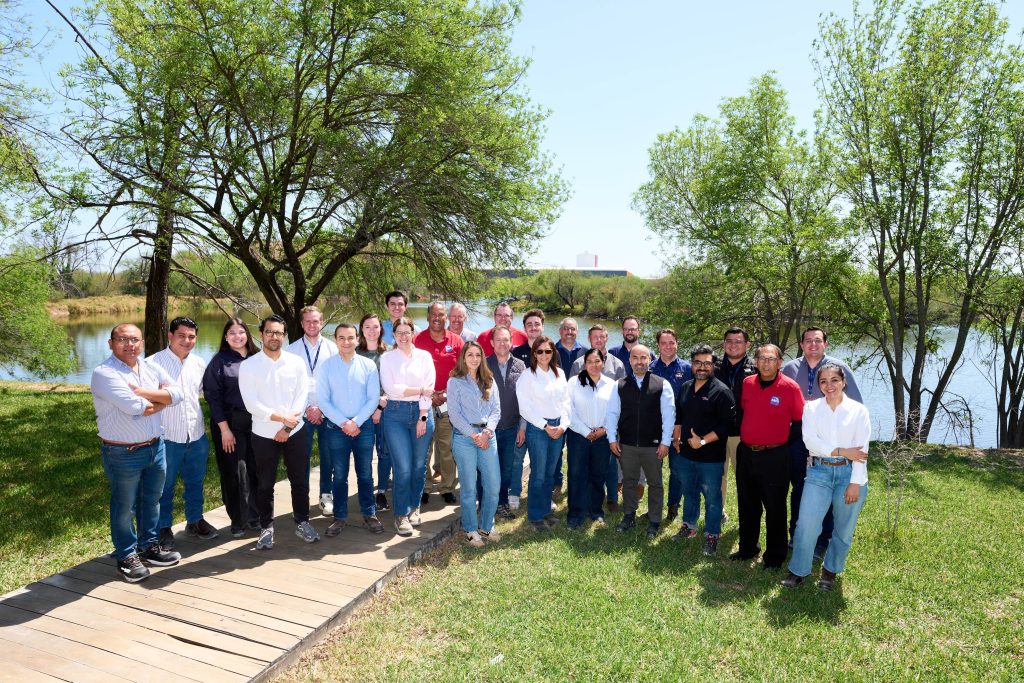
A huge thank you to the entire Ternium team who made this awesome experience possible!
Extracurricular: Parque Fundidora
SMU staff and instructors often don’t get a chance to see much besides the mill we’re touring and the hotel we’re staying at during our 101s. But, thankfully, this time was a little different.
If you do a little Googling on Monterrey’s steelmaking history, you’ll see it is inseparable from the story told today at Parque Fundidora—a landmark built on the grounds of the Fundidora de Fierro y Acero de Monterrey—the first integrated iron and steel works in Latin America.
Founded in 1900 by a group led by Vicente Ferrero, the company marked the beginning of large‑scale steel production in Mexico. Its first blast furnace began operating in 1903, ushering in a new era of industrialization for the region.
For decades, Fundidora produced structural steel, wire rods, train wheels, and materials used in major Latin American construction projects—including the iconic Torre Latinoamericana in Mexico City.
After economic woes—very reminiscent of Pittsburgh’s steel landscape of the ’80s—the mill closed in 1986. But rather than raze what remained of Fundidora, the state transformed the site into a massive urban park and museum. An extraordinary example of industrial archaeology, and something I wish Pittsburgh had done along the Monongahela River.
The park preserves 27 large‑scale industrial structures and 127 pieces of steelmaking machinery, integrating them into museums, cultural venues, and public spaces.
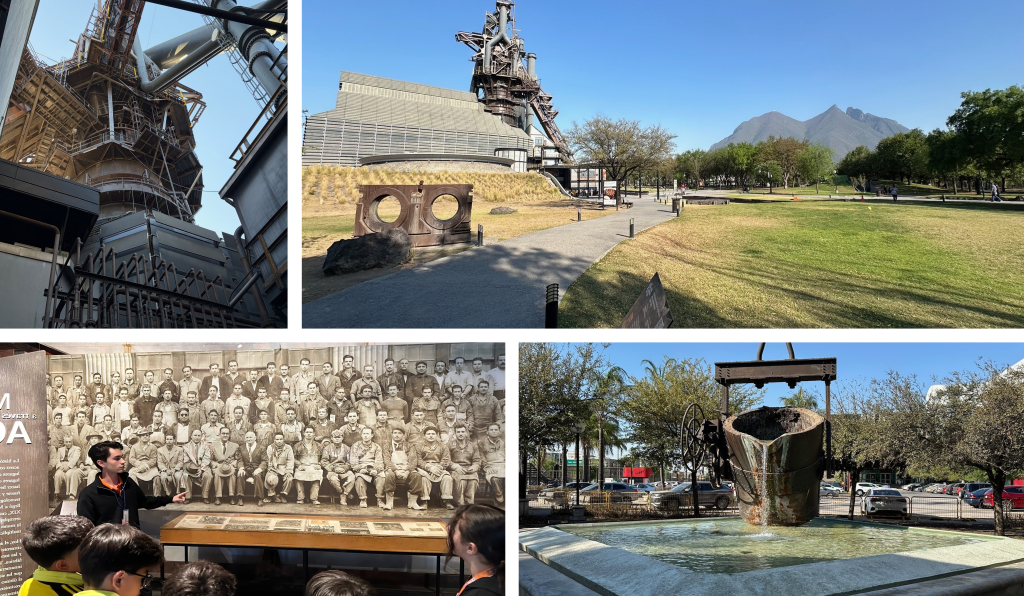
At the heart of the park stands Horno Alto No. 3, a 1968 blast furnace designed by Arthur G. McKee & Co. It was Mexico’s first automated furnace and now serves as a world‑class science and technology museum, educating visitors about the origins of Mexican industrialization.
Today, Parque Fundidora stands as both a memorial to Monterrey’s industrial past and a vibrant cultural symbol of its enduring spirit of innovation.
And it was a “blast” to tour.
What’s next?
We typically hold a live Steel 101 three or four times a year. Our next one is set for May 19-20 in Corpus Christi, Texas, at the Omni Corpus Christi hotel. The workshop includes a guided tour of SDI Sinton – another great, new North American EAF sheet mill – and guided tour of Bull Moose Tube’s operations on the Sinton campus.
You can get more details here. And you can register here.
Space is limited, so don’t delay! I promise you, it is “worth its weight in steel.”
And, as always, from all of us at SMU, we thank you for your continued support.