EU secures tariff deferral in trade talks with US
The European Union is fast-tracking trade negotiations with the US in the hope of avoiding the 50% tariffs threatened by President Trump.
The US government could acquire a stake in U.S. Steel as part of Nippon Steel’s $14-billion deal for the Pittsburgh-based steelmaker, according to various media reports. The Trump administration sees Washington, D.C., acquiring a “golden share” as part of the deal, according to an article in Kyodo News on Tuesday. This would give the US […]
Trump threatens EU with 50% tariff starting June 1.
The CFIUS report is in, but what it contains remains unknown.
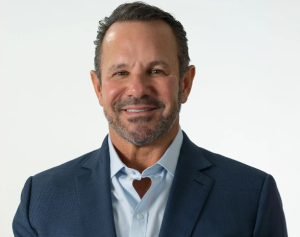
Zekelman is known for his straight talk. And his company is one of the largest steel buyers in North America. So he’s got a better eye than most on steel market developments.
For those who don’t know, we have a monthly scrap survey. It’s very similar to our industry-leading flat-rolled steel survey. We cover market trends, pricing, and sentiment – which helps us keep our finger on the pulse of the scrap market. One thing we’ve learned lately from our surveys here at SMU: The lack of […]
The UK deal may signal relaxation of the heaviest tariffs. The suspension of the reciprocal tariffs greater than 10% - remember, 57 countries were hit with that - ends on July 9. But it could be extended. If more deals like the one with the UK are struck, the suspensions may continue to permit more agreements - relieving global markets of considerable worry.
Cliffs came tantalizing close to buying U.S. Steel in 2023. There were rumors in 2024 that Cliffs might buy NLMK USA before it ultimately purchased Stelco for $2.5 billion in November of last year. Who would have thought that asset sales would have been the focal point of discussion just six months later?
The US and UK governments have announced a trade deal in which an “alternative” to the Section 232 steel and aluminum tariffs will be provided.
Cleveland-Cliffs Inc. gushed red ink in the first quarter, and pledged to stem the bleeding by idling inefficient, “loss-making operations” and increasing focus on its core automotive business.
Mercedes-Benz is planning to move production of a “core segment vehicle” to Tuscaloosa, Ala., by 2027.
AMU’s Greg Wittbecker, an aluminum industry veteran, will address not only US tariffs but also evolving trade routes - and how supply chains are (or aren’t) adjusting. He’ll also touch on broader industrial impacts, from auto layoffs to the potential ripple effect of maritime tax policies.
The tariffs are intended to produce more investment and jobs in US manufacturing. But first, there will be a cosmic change, potentially wiping out millions of jobs in the short run. While administration officials will no doubt cringe at the comparison, it reminds me of the effort to undercut fossil fuels production to address climate change. Led by Democrats, the effort was to destroy fossil fuels so that renewable energy sources would have more space to grow. The result: inflation and electoral defeat in 2024.
Nucor’s top exec Leon Topalian said the benefit of the current administration’s aggressive trade policies “trumps” any risk of potentially higher raw materials prices.
It's just the latest change for US trade policy
President Trump cast a wide net with the proposed, reciprocal tariffs. The negotiating stage will be critical to determining the success of his strategy. And for those suffering tariff whiplash, don’t expect the pace of change to slow down just because the reciprocal tariffs are entering a negotiating phase.
“We remain deeply concerned about the national and economic security implications of the subject transaction,” the union stated in the letter dated April 21.
Meanwhile, an increasing number think it's too early to say whether the penalties are going to bring more manufacturing to the US.
Should foreign investment be allowed to reshape the American steel Industry? Not to be lost in the recent on-again-off-again tariff frenzy, Nippon Steel’s proposed takeover of U.S. Steel has also found itself in President Trump’s crosshairs when it comes to trade and industrial policy. Nippon Steel initially announced its nearly $15-billion bid for U.S. Steel […]
President Trump on Wednesday signed an executive order meant to breathe new life into American shipbuilding and curb Chinese dominance in the sector.
Elon Musk's DOGE is determining which Department of Energy grants to advance and which ones to terminate, according to several media outlets
Let’s just say the impact of the latest tariffs on the domestic steel market is uncertain at best.
Tariffs are taxes that the government collects. Funds are disbursed by acts of Congress. If domestic companies, including manufacturers, are to benefit from “protective” tariffs, they must raise their prices as well. Maybe not by the entire amount of the tariffs, but by some. Inflation will come.
Latest tariffs could lead to US metallurgical coal exporters (many already high-cost swing producers) being priced out of the market.
The United Arab Emirates’ Emirates (UAE) Emirates Global Aluminum (EGA) announced plans to spend $1.4 trillion dollars in the US over the next 10 years, including a greenfield primary aluminum smelter. Is this real or another soundbite?
It's the latest twist as the proxy battle heats up for Pittsburgh-based U.S. Steel.
President Donald Trump on Wednesday signed a proclamation that will impose a 25% tariff on most imported passenger vehicles.
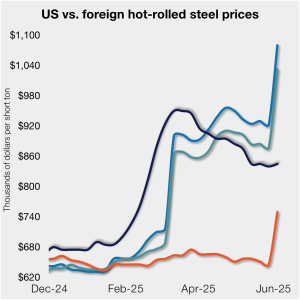
After a March frenzy, are prices nearing a peak in April? Some of you have suggested that they are. Others think it's too early to make any such call.
President Trump said on Monday there may be exceptions for some countries on reciprocal tariffs.
On February 10, President Trump announced a massive restructuring of tariffs on steel and aluminum. Those changes took effect on March 12, and they will impact US manufacturing. What will the impact be? Bye-bye exclusions Perhaps the most important change, which hits imports from all countries, is the loss of a product exclusion process to […]