Analysis

May 4, 2026
Prices for imported pig iron poised for further gains
Written by Stephen Miller
Prices for imported pig iron into the US rose in April because Brazilian supply remained limited. The gains also coincided with renewed demand for low residual alloyed scrap, for which basic pig iron is used as a substitute.
Recall that prime scrap grades traded sideways in the domestic market in the April, despite secondary grades tumbling $20 per gross ton (gt). And the prevailing sentiment for May is that #1 busheling and bundles are likely to increase. This may cause pig iron to continue its upward trajectory.

Brazil prices up
SMU spoke with a Brazilian seller who confirmed his organization concluded a June cargo of 53,000 per metric ton (mt) to a US-based steelmaker at a price of $481.50/mt freight on board (FOB) South Brazil. The last cargo they sold to the US was at $460/mt FOB in early April. Another channel transacted a cargo shortly thereafter at $470/mt FOB. This activity, and the higher prices versus April, underscore increased demand in the US market.
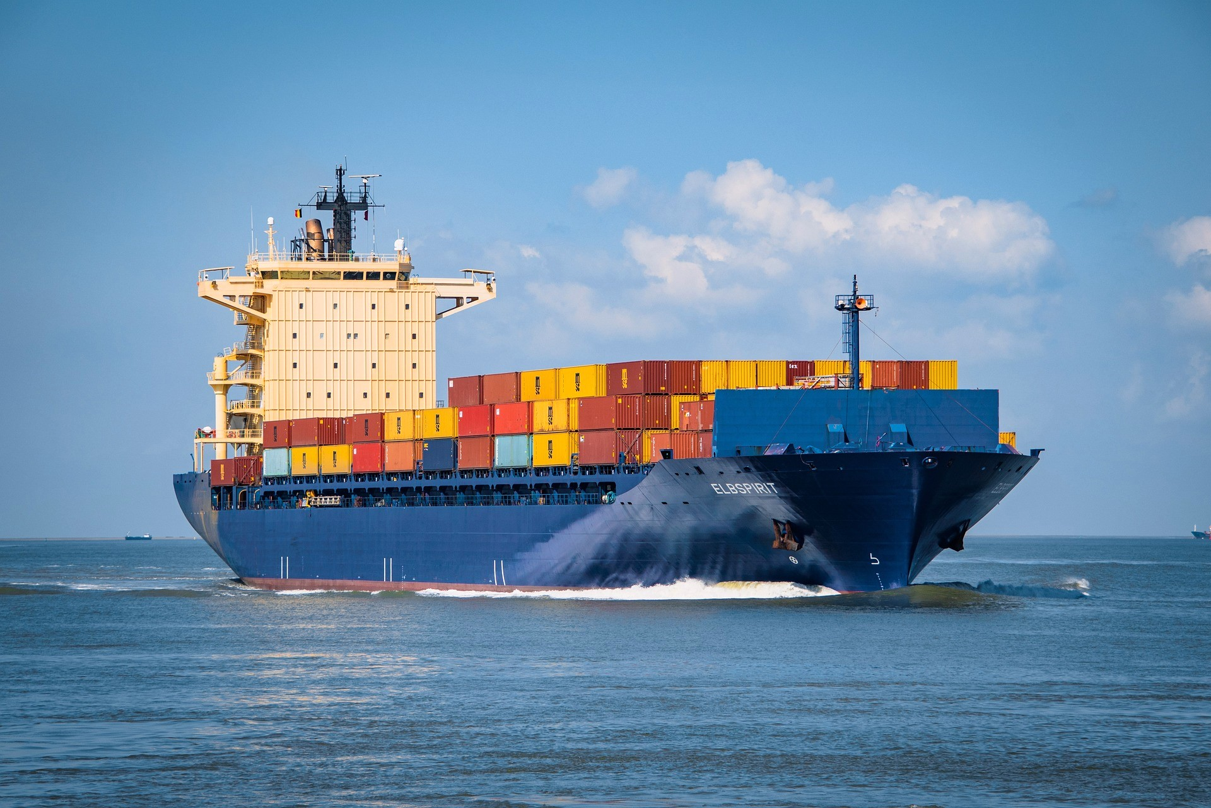
A US-based trader told SMU that a US mill bought a cargo at $511.50/mt cost and freight (CFR) before the 10% tariff was applied. The ocean freight from Brazil remained at about $30/mt despite pressures on fuel prices. He also mentioned he has heard new offer prices of $520/mt CFR US ports for June shipment. “I think producers will get that price soon. The market seems firm to up … at least for basic pig iron,” he said.
Ukraine availability hinges on CBAM
Regarding pig iron shipments from Ukraine, the State Customs Service has reported March shipments to the US were three cargoes totaling ~164,000 mt at prices slightly above the South Brazilian levels due to their lower phosphorous level.
April figures are not available yet. But in Q1, Ukraine has shipped ~422,000 mt of pig iron to the US. These Ukrainian shipments have helped US steelmakers source enough pig iron to keep up with the increased demand this year.
The EU also needs continuous supplies of pig iron to feed its increasing EAF capacity. Recall there are no Russian shipments this year to the EU because of sanctions. And the Carbon Border Adjustment Mechanism (CBAM) has increased import prices for pig iron due to its carbon footprint. This is especially true for Ukrainian production, since all of its reduction is coke-based.
The CBAM levy has made shipping to the US more profitable for Ukrainian producers than selling to Europe, despite less expensive logistical costs for shipments to the EU. But Ukrainian sources have reported that the government of Ukraine is negotiating with the EU for an exemption from CBAM for Ukraine’s steel mill product exports. If pig iron is included in the proposed exemption, it is expected to render Ukrainian production to be preferential to the EU steel and iron industries. This may be at the expense of the US.