• Skip to main content

    Analysis

    SMU Survey: Mills maintain grip on sheet and plate prices

    Written by Brett Linton


    The majority of steel buyers who responded to our market survey this week reported that mills remain firm on new order spot prices. This is a continuation of the trend seen since January. This week, negotiation rates remained low across all products, though coated and plate products were slightly more negotiable than hot rolled and cold rolled.

    Every two weeks, SMU polls over 1,000 service center and manufacturer buyers to see whether mills are willing to negotiate on new spot-order pricing. This week, 21% of respondents said mills were willing to talk price to secure an order (Figure 1). This is up by one percentage point from our previous survey, but it is one of the lower rates seen over the past year.


    Brett Linton

    Read more from Brett Linton

    Latest in Analysis

    SMU Survey: Current Buyers’ Sentiment rises slightly as Future Sentiment dips

    SMU’s Current Steel Buyers’ Sentiment Index ticked up slightly this week, while Future Sentiment fell, according to our latest market survey. Every two weeks, SMU polls thousands of steel-industry executives, asking them to rate their companies’ chances of success today and also three to six months down the road. We use their responses to calculate our proprietary Current and Future Steel Buyers’ Sentiment Indices, measures tracked since 2008.

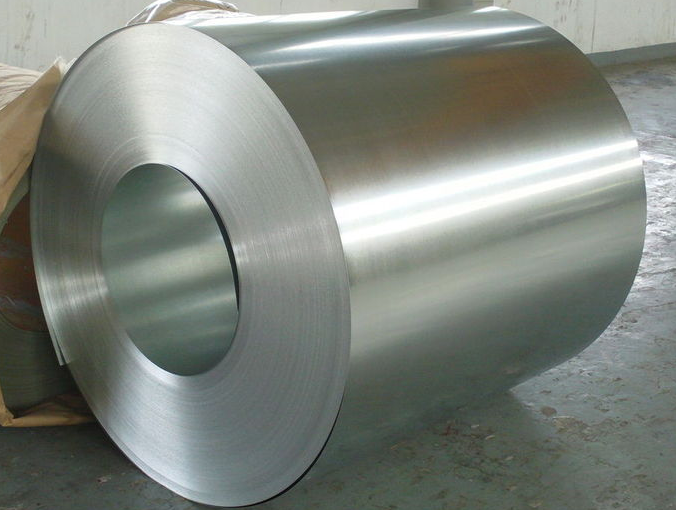
    galvalume steel coil

    SMU Survey: Mill willingness to negotiate price at lowest levels since 2021

    The majority of steel buyers responding to our latest market survey reported that mills continue to hold a firm grip on prices. The share of buyers reporting that mills were negotiable fell this week to the lowest rate seen in over five years. Every two weeks, SMU surveys service center and manufacturer buyers asking if mills are negotiable on new spot sheet and plate orders. In this week’s survey, just 3% of respondents said mills were willing to talk price to secure an order (Figure 1). This is down 11 percentage points from our mid-October survey.