
CRU: Tyasa adds 400,000 t/y to SBQ capacity
Steelmaker Tyasa has launched the first stage of a $250 million special bar quality (SBQ) at its Ixtaczoquitlan plant in Veracruz, central Mexico


Steelmaker Tyasa has launched the first stage of a $250 million special bar quality (SBQ) at its Ixtaczoquitlan plant in Veracruz, central Mexico

SMU’s June ferrous scrap market survey results are now available on our website to all premium members.

We provide a sneak peek at this month's SMU Scrap Survey, with insights on tariffs, pricing, and demand.
The price gap between US hot-rolled coil (HR) and landed offshore product continues to narrow toward parity.

The US domestic ferrous scrap market started to form on Thursday.

Participants in the plate market doubt prices, lead times, and demand forces will cool down any time soon.
After falling to a multi-year low in March, the premium galvanized coil commands over hot-rolled (HR) coil has widened in recent months.

The forced-labor and Brazil 301 actions are aimed more at finished goods supply chains, not raw metals.

AISI's Kevin Dempsey argues USMCA needs stronger rules of origin to strengthen manufacturing.

The official beginning of the USMCA review is less than a month away. But negotiations have already started, and steel tariffs could hang in the balance.
SMU’s sheet price indices continued to climb this week, while plate held steady, all at multi-year highs.

Current scrap market sentiment is again divided as we enter the summer month of June.
We’re less than 90 days out from North America’s largest gathering of the flat-rolled steel industry!

President Donald Trump issued a June 1 proclamation modifying Section 232 tariffs on steel, aluminum, and copper. He pointed to new Commerce Department recommendations and “recent circumstances” affecting US users of industrial and agricultural equipment.
US steel buyers report firmer domestic demand, but long lead times, rising freight costs, and geopolitical uncertainty continue to cause caution on imports.

Stronger for longer sentiment remains in the house when it comes to flat-rolled steel prices, according to SMU’s latest steel market survey.

If an industry suffers from high labor and energy costs, inefficient facilities, or lower productivity, tariffs do not solve those problems. They only mask them, transferring costs from inefficient producers to consumers.
Participants in the hot-rolled coil spot market revealed that growing discomfort with current market dynamics hasn't deterred them from conducting spot transactions.
Steel imports could become even more prohibitive, facing even higher tariffs, pending the outcome of the Trump administration’s Section 301 investigation.

Survey respondents overwhelmingly said enough obsolete scrap existed to meet demand in May, even as expectations for freight and container costs moved higher and views on the direction of the Midwest premium remained relatively firm.

SMU’s Steel Buyers’ Sentiment Indices edged down this week, according to our most recent survey data.
There is increasing evidence that the current La Niña weather phenomenon is coming to an end, and that we are quickly moving into an El Niño cycle already in the next few months.
SMU’s latest steel buyers market survey results are now available on our website to all premium members.

The pig iron import market in the US continues its upward price movement.
Steel mill lead times remain at or near multi-year highs for all sheet and plate products.
US trade policy is working. Domestic steel production is up, steel imports are down, and members of the Steel Manufacturers Association are leading record investment in safe, modern, efficient steelmaking capacity. It is important that the USMCA review process continues to support these achievements.
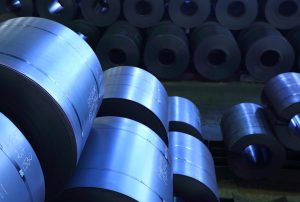
This week we saw low negotiation rates across all products, with coated and plate products slightly more negotiable than hot rolled and cold rolled.
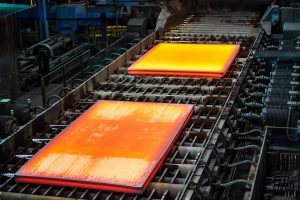
Market participants report frustration with extending lead times for domestically produced plate products.
AMU's May aluminum market survey showed lengthier rolled product lead times coupled with shrinking extrusion and primary booking windows, though inventory building and forward demand sentiment remained cautious.
Volume, which is usually a big positive for buyers in price negotiations, has arguably become a net negative.