• Skip to main content

    Analysis

    Final Thoughts: USMCA review ahead

    Written by Ethan Bernard


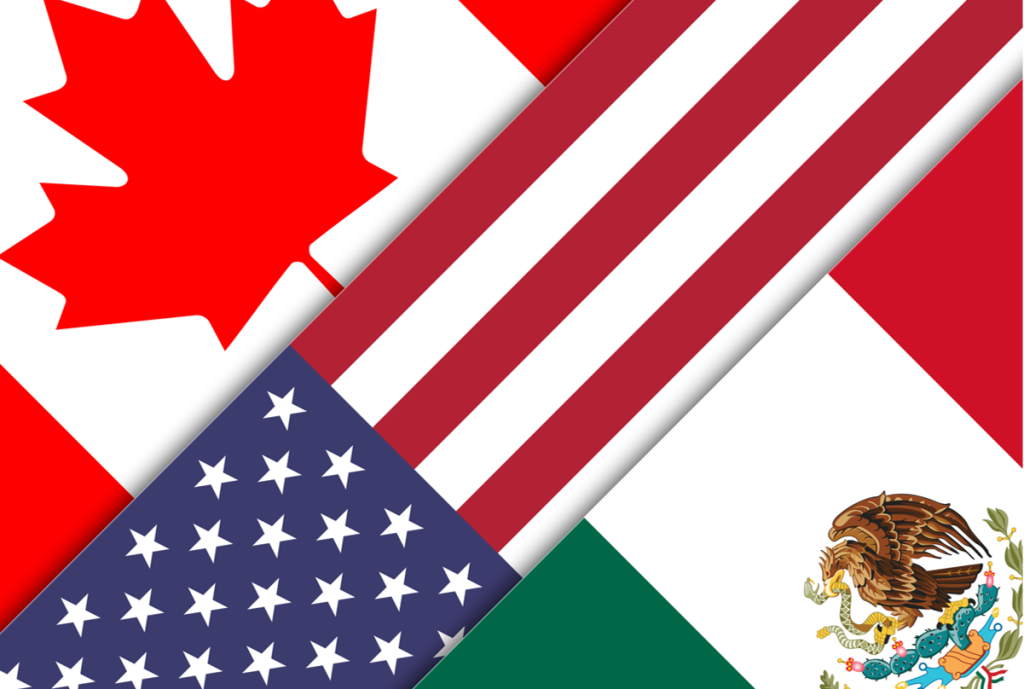
    The USMCA periodic review is set to begin in under two months. The North American trade pact, signed in 2020, has a significant impact on US commerce, particularly on steel. But Section 232 steel tariffs have changed the game. With negotiations kicking off in July, SMU will highlight key issues under debate.

    Actually, we’re going to give the floor to several North American steel associations in the form of a column. The Steel Manufacturers Association (SMA), the American Iron and Steel Institute (AISI), and the Canadian Steel Producers Association (CSPA) will each be doing a monthly column starting on Thursday as the review approaches.

    So we’ll have two perspectives from the US and one from Canada, detailing their members’ concerns and how they view the current trade landscape.

    Seeing things through a Canadian lens, or from the viewpoints of members of either SMA or AISI, just might open up new insights. And it could lead to new and fruitful conversations. It’s all about airing the issues and starting a dialogue.

    One wildcard remains: if the US secures individual trade deals with the countries ahead of the review, it would definitely alter the trade dynamics of the negotiations. To some degree, both nations are currently in trade talks with the United States. At the moment, negotiations with Mexico seem more productive and open, but we’ve seen that things can change very quickly on the trade front.

    The tariffs and their effects are sensitive issues. Just yesterday, we reported that the Canadian government is offering $1.1 billion in aid to help firms hurt by US metals tariffs.

    While the chances of us going back to a “Pre-Liberation Day” world after the USMCA review are slim, what kind of agreement will be reached?

    Keep in mind

    The USMCA periodic review occurs every six years. Note that even if no extension is agreed at the periodic review, the agreement continues until its 16-year term expires in 2036. (The full text is here.)

    Regarding possible withdrawal? The agreement states that a “party may withdraw from this agreement by providing written notice of withdrawal to the other Parties.”

    The withdrawal would take effect six months after a party provides written notice to the other parties. Still, the agreement will remain in force for the remaining parties.

    Tariff impact between 2024 and 2025

    One can see the bite Section 232 steel tariffs have taken out of imports from our North American neighbors by comparing 2024 and 2025 US Commerce Department steel import data.

    In 2024, Canadian material accounted for 23% of all steel imports. In 2025, that shrank to 18%. At the same time, imports from Canada declined 31% from 2024 to 2025, according to Commerce data.

    For Mexico, we see a less pronounced decline. In 2024, 12% of our steel imports came from our southern neighbor. In 2025, that was 11%. 

    Still, US steel imports from Mexico dropped 20% from 2024 to 2025.

    What’s on the docket?

    Obviously, the tariff situation will be at the forefront of talks, both at the review and in the individual country negotiations. Other probable issues include Chinese excess capacity and transshipment. But that’s just the start.

    We can’t wait to get the viewpoints from SMA, AISI, and CSPA on the USMCA and the broader North American trade situation.

    And we welcome all our subscribers, whether in the US, Mexico, or Canada, to join the conversation. Let us know what you’re seeing on the ground, and, as always, thanks for all your support!

    Ethan Bernard

    Read more from Ethan Bernard

    Latest in Analysis