
SMU Price Ranges: Sheet and plate markets tighten
Sheet and plate price indices increased between $5-20 per short ton (st) from last week.


Sheet and plate price indices increased between $5-20 per short ton (st) from last week.

SMU’s Mill Order Index (MOI) eased marginally in April, losing some momentum after moving higher in March.

The export markets are generally showing an increased demand for scrap.

US domestic steel prices continued to increase for most products as demand remained resilient amid tight supply. Domestic sheet and plate prices increased over the past month, while long products prices were mostly stable, with only structural and merchant bar prices edging up higher.

Before the second Trump administration, many automakers were banking on an electrified future, supported by federal and state tax incentives for consumers. But many of those tax breaks are gone.

This long weekend, we pay tribute to the sacrifices of the men and women of the US armed forces.

In my previous column on April 23, I posed a question: whether supply can respond sufficiently under current conditions. Since then, the US HRC futures curve has continued to move higher and further out.
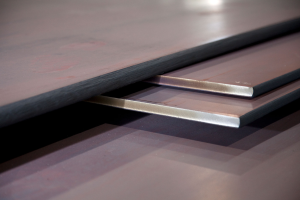
Domestic plate market participants named extended lead times, increased freight costs, escalating fuel surcharges, and spotty demand as their most recent challenges.

Earlier this week, SMU polled steel buyers on an array of topics, ranging from market prices, demand, and inventories to tariffs, imports, and evolving market events.

Galvanized steel buyers and distributors expect tightening supply and rising price pressure to last into summer.
After a brief dip last month, iron ore prices have resumed their upward trajectory as the war in the Middle East escalates. Elevated costs have established a new pricing norm, keeping iron ore prices firm even as current levels exceed what supply‑demand balance would justify. Meanwhile, Simandou is finally gaining momentum after a slow start. Quality remains the decisive factor for steelmakers sourcing from the seaborne market, reshaping trade flows.

We look at how SMU survey respondents are seeing the effects of Trump's tariffs and the Iran war on business.
Sheet prices continue to rise in a market that remains characterized by extremely limited spot availability, solid demand, long lead times, and the lowest sheet inventories since May 2021.

SMU spoke with several market players around the country regarding the ferrous scrap market in June, with many sources seeing next month as broadly sideways.

Trading-company sentiment in the May 15 SMU flat-rolled steel buyers survey shows a market split between anecdotal optimism and numerical decline.

The Commerce Department's International Trade Administration recently concluded several administrative reviews of the anti-dumping and countervailing duties (AD/CVDs) on various steel imports. The reviews resulted in the following duty adjustments.

Domestic raw steel production ticked up to the highest weekly output rate recorded since March 2020, according to recently published American Iron and Steel Institute (AISI) data.

Grupo Acerero SA de CV posted higher shipments and stronger profitability in the first quarter of 2026.

Apparent steel supply surged 11% from February to March, recovering from one of the lower rates recorded in recent years to one of the higher ones.
inancially burdened Baffinland Iron Mines is applying for shelter from creditors under Canada’s Companies’ Creditors Arrangement Act (CCAA).

SMU released its latest steel market survey results on Friday. The main takeaway: the stronger for longer narrative is still very much in the house.

Unsurprisingly, the Trump-Xi Beijing summit ended without a major announcement on trade. Behind the celebratory mood and photo-ops are years of economic harm from China’s predatory trade practices that cannot be overcome in a single meeting.

Sources told SMU they’ve begun considering whether US imports of sheet might benefit the overall market.

Global shipping volatility is tightening its grip on steel supply chains. And the risks are not easing; in fact, they’re escalating, according to Anton Posner, CEO of Mercury Resources.
The spread between domestic hot-rolled coil and prime scrap prices continued to widen in May, a trend that began in September.
SMU’s latest steel buyers market survey results are now available on our website to all premium members.
This item was first published by CRU. To learn about CRU’s global commodities research and analysis services, visit www.crugroup.com. The uptrend in sheet prices is expected to continue in the coming month in most markets amid elevated energy and freight costs stemming from the Middle East conflict. Europe will buck the trend as demand in the […]
SMU’s Steel Buyers’ Sentiment Indices remained in strongly optimistic territory this week, based on responses from steel executives in our latest market survey.
US service centers’ flat-rolled steel supply fell for a fourth straight month in April, with shipping days of supply slipping to 45.7 on an adjusted basis, according to SMU data.
Inventories are getting dangerously low. (Sheet stocks are at their lowest point since May 2021!) Lead times remain extended. And mills have few spot tons available. (The ‘a’ word – “allocation” – is being kicked around.)