
Chicago PMI dips 0.1 points in June
The Chicago Purchasing Managers Index (PMI) slipped 0.1 points to 40.4 points, in June.


The Chicago Purchasing Managers Index (PMI) slipped 0.1 points to 40.4 points, in June.

Prysmian’s groundbreaking for a 650,000-square-foot, medium-voltage cable facility on Encore Wire’s Texas campus marks a big development in the aluminum wire and cable sector.
Stainless prices in the US market will rise, following price increases by major US producers. Our base case scenario incorporates higher US prices in the near term, despite the initial negative reaction by the market. US stainless prices will go up in 2025 H2 and will stay elevated in 2026 as tariffs on stainless […]

Both of SMU’s Steel Buyers’ Sentiment Indices edged higher this week. Current Sentiment rebounded from a near five-year low, while Future Sentiment rose to a two-month high
SMU’s latest steel buyers market survey results are now available on our website to all premium members.
Following the uptick seen two weeks ago, lead times eased this week for all four sheet products tracked by SMU, while plate lead times held steady, according to this week’s market survey.
The majority of steel buyers responding to our latest market survey say domestic mills are more willing to talk price on sheet and plate products than they were earlier this month. Sheet negotiation rates rebounded across the board compared to early June, while our plate negotiation rate hit a full 100%.
Prices for steel sheet slipped this week despite Section 232 tariffs remaining at 50% and a US strike on nuclear facilities in Iran over the weekend.
SMU’s Mill Order Index (MOI) declined for a third straight month in May, but only marginally.
The forceful headwinds bearing down on steel markets across the globe have created demand challenges and sent prices southward. The US, however, challenged the global trend.
According to our latest analysis, prices for four of the seven steelmaking raw materials we track declined from May to June. Collectively, these materials declined 3% month over month (m/m) and are down 9% compared to three months ago.
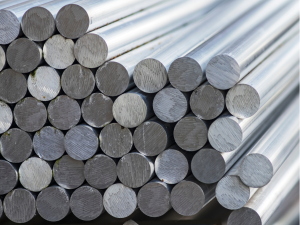
The moves include reciprocal procurement restrictions, import quotas, and the formation of stakeholder task forces for aluminum industries.
US housing starts tumbled in May to a five-year low, according to figures recently released by the US Census Bureau.
Architecture firms reported a modest improvement in billings through May, yet business conditions remained soft, according to the latest Architecture Billings Index (ABI) release from the American Institute of Architects (AIA) and Deltek.
Earlier this week, SMU polled steel buyers on an array of topics, ranging from market prices, demand, and inventories to imports and evolving market events.
Steel prices inched higher again this week across most of the sheet and plate products tracked by SMU.

However, companies are growing more optimistic about the future.
Flat rolled = 57.1 shipping days of supply Plate = 55.7 shipping days of supply Flat rolled US service centers reined in flat roll supply in May, coinciding with declining shipments. At the end of May, service centers carried 57.1 shipping days of supply, according to adjusted SMU data. That’s down slightly from 57.6 shipping […]

Hashing out duty costs
If you’re feeling a sudden jerk and a case of tariff whiplash coming on, you’re not alone.
In this Premium analysis we examine North American oil and natural gas prices, drill rig activity, and crude oil stock levels. Trends in energy prices and rig counts serve as leading indicators for oil country tubular goods (OCTG) and line pipe demand.
SMU’s latest steel buyers market survey results are now available on our website to all premium members. After logging in at steelmarketupdate.com, visit the pricing and analysis tab and look under the “survey results” section for “latest survey results.” Past survey results are also available under that selection. If you need help accessing the survey results, or if […]
SMU’s Steel Buyers’ Sentiment Indices moved in opposing directions this week. Our Current Steel Buyers’ Sentiment Index sharply fell to one of the lowest levels recorded in five years, while Future Buyers’ Sentiment marginally improved.
Subdued demand has continued to weigh on steel sheet prices globally.
All five of the averages for sheet and plate mill lead times tracked by SMU extended moderately this week, according to buyers responding to our latest market survey.
Most steel buyers responding to our market survey this week reported that domestic mills are considerably less willing to talk price on sheet products than they were in recent weeks, but remain open to bargain on plate prices.

Two industry groups are applauding two EPA proposals that would support domestic steel production.
ArcelorMittal’s (AM) Hamilton location to be shuttered, wire production shifting to Montreal.
Steel prices climbed for a second straight week across all five sheet and plate products tracked by SMU.
SMU’s ferrous scrap market survey results are now available on our website to all premium members. After logging in at steelmarketupdate.com, visit the pricing and analysis tab and look under the “survey results” section for “ferrous scrap survey” results. Past flat-rolled survey results are also available under that selection. If you need help accessing the survey results, […]