Wittbecker on Aluminum: US-China trade war clobbers cross-Pacific trade
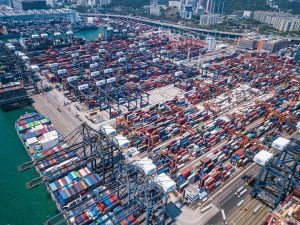
Container shipping lines have sharply increased blank sailings on Transpacific routes in response to escalating trade tensions between the US and China.


Container shipping lines have sharply increased blank sailings on Transpacific routes in response to escalating trade tensions between the US and China.

The CME Midwest HRC futures market’s response to Trump’s election and subsequent comments about blanket 25% tariffs on Canada and Mexico was surprisingly counterintuitive.
Steel Dynamics' top exec thinks Trump’s tariff policies, as well as the results from the recent CORE case, will prove advantageous to the Fort Wayne, Ind.-based steelmaker and aluminum company.
After a hard drop in December — the worst since July 2021 — assembly numbers have climbed three months in a row. Sentiment remains tempered, though.
Earlier this week, SMU polled steel buyers on an array of topics, ranging from market prices, demand, and inventories to tariffs, imports, and evolving market events.
SDI earnings slip in first quarter year over year, but are up sequentially.
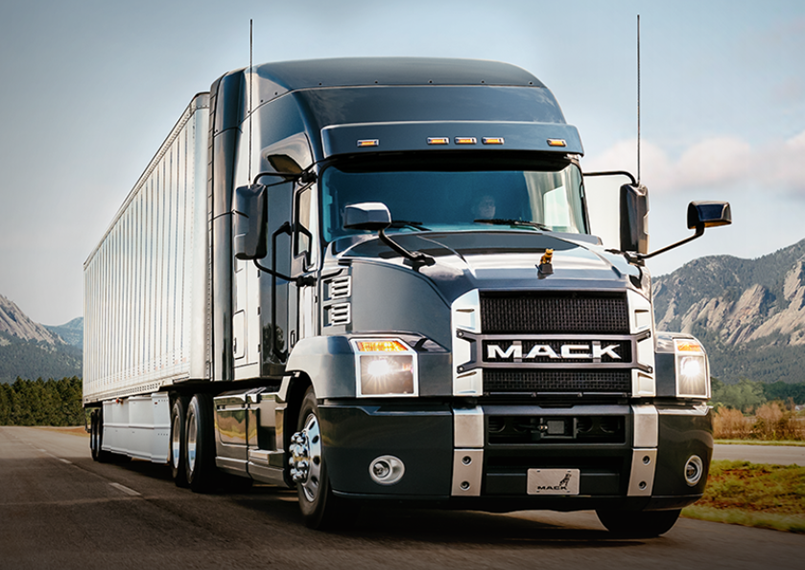
The company cited uncertainty about freight rates and demand, regulatory changes and the impact of tariffs.
US domestic sheet price gains have begun to slow as previously pulled-forward demand has led to a decline in orders.
Iron ore prices were largely steady in March, hovering around $100–102 per dry metric ton (dmt) in a quiet market.
President Trump on Wednesday signed an executive order meant to breathe new life into American shipbuilding and curb Chinese dominance in the sector.
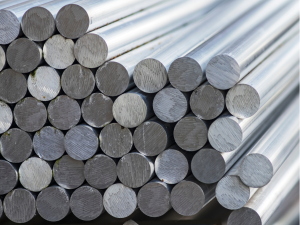
A counterintuitive aspect of the 25% tariffs on autos is these percentages are measured in value, not by weight or part count. That means a few costly imported parts can outweigh dozens of cheaper local ones – and vice versa.
The Trump tariff drama continues.
The volume of steel exported from the US declined in February, reversing January’s surge, according to the latest US Department of Commerce figures. This comes just two months after export levels had fallen to a two-year low.
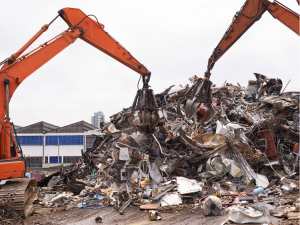
US scrap prices declined in April for all the grades tracked by SMU amid tariff uncertainty, according to market sources.

Let’s just say the impact of the latest tariffs on the domestic steel market is uncertain at best.
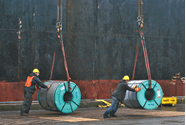
US steel imports returned to normal levels in February after climbing to a near three-year high in January, according to finalized trade data published by the US Commerce Department. March license data suggests imports have remained within this normal range.
The imposition of reciprocal tariffs by President Trump as explained on Wednesday afternoon has rattled virtually every market. This policy has some advantages for the steelmaking sector, but there may be some disadvantages that were not considered, especially for the EAF producers of flat-rolled.
US light-vehicle (LV) sales increased to an unadjusted 1.59 million units in March, more than a 30% surge over February and 10.7% above year-ago totals, according to US Bureau of Economic Analysis data.
For trading partners, the tariffs will reduce demand for exports and depress growth. Over the coming days, trade partners will almost certainly announce retaliation, which will hit US exports.

Respondents to the SMU Survey weigh in on the steel landscape.

Tariffs are taxes that the government collects. Funds are disbursed by acts of Congress. If domestic companies, including manufacturers, are to benefit from “protective” tariffs, they must raise their prices as well. Maybe not by the entire amount of the tariffs, but by some. Inflation will come.

The constant flow of information we all receive can be a little overwhelming, but SMU is here to help with a snapshot of the week.
After last year’s historic turnout, the buzz around SMU’s Steel Summit 2025 is picking up. So, it’s no surprise room blocks are going quick, and I mean FAST. Get ready for another blockbuster event! This year’s meeting of the North American flat-rolled steel industry is shaping up to be another record-setting gathering with a timely […]
The US Commerce Department on Friday released preliminary anti-dumping margins in a trade case targeted imports of coated flat-rolled steel from 10 countries. Certain countries and mills were hammered while others were largely spared. Brazilian steelmaker CSN, for example, received a preliminary rate of 137.76%. Some Turkish mills – including Boreclik and ArcelorMittal Celik Ticaret – received no dumping margin at all.
Canada imposes auto tariffs, while automaker Stellantis temporarily idles some plants.
The Commerce Department has made a preliminary determination that ‘critical circumstances’ exist for certain imports of corrosion-resistant (CORE) flat-rolled steel from the United Arab Emirates (UAE). Commerce decided that critical circumstances did not apply to CORE from South Africa. The department also found that critical circumstances did not apply to CORE from UAE producers Al-Ghurair Iron & Steel LLC and United Iron & Steel Company LLC.
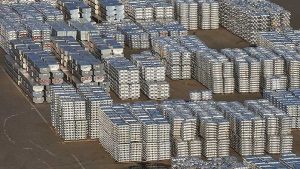
If you import aluminum products, here’s where things stand after President Trump's "Liberation Day."

Announcing tariffs is easy. Implementing them at the border? That’s a whole different ball game.
President Trump’s promised “Liberation Day” has arrived, with a 10% minimum tariff on imports. But there are some very important exceptions: The United States’ USMCA partners, Canada and Mexico, are excluded from the reciprocal tariffs for now. In addition, steel, aluminum, as well as autos and auto parts are excluded from the reciprocal tariffs. That’s […]
I’m not sure what I can write today that won’t be old news after April 2. The Trump administration has dubbed Wednesday “Liberation Day.” Since it’s mostly about tariffs, let’s just call it “Tariff Day.” Or maybe we should call it “Tariff Week” – since tariffs typically dominate the news cycle in the first week […]