Nucor hikes spot HR price by $10/ton
On Monday, Nucor hiked its spot HR price by $10/ton.


On Monday, Nucor hiked its spot HR price by $10/ton.

The Iran war and the blockade of the Strait of Hormuz have sent oil and aluminum prices soaring higher. The impact on steel has been mostly indirect but hardly insignificant – especially when it comes to the costs of moving metal.

The process to reduce Section 232 steel and aluminum tariffs for producers in Mexico and Canada garnered mixed reactions from steel and metals’ supply chain advocacy groups.

Sheet market participants found modest spot price increases this past week, but conceded that overall market conditions remained stable.

US and Canadian drilling activity both ticked higher this week, according to recently released data from Baker Hughes.
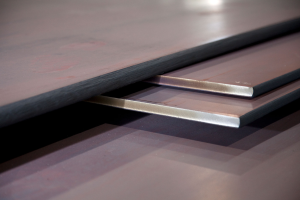
Plate market participants expect additional base price hikes from domestic mills, something that has some eyeing imports.

SMU’s Current and Future Sentiment Indices for scrap both fell in May, though they remain at elevated levels, according to the latest data from our ferrous scrap survey.

South Korea’s Hyundai and POSCO have chosen Italian mill equipment provider Danieli to build several installations at their proposed steel mill in Louisiana.

Multiple risks continue to cloud the automotive outlook, including semiconductor shortages, tariff uncertainty, weaker demand, policy changes, geopolitical disruption, the war in Iran, supply-chain shocks, protectionism, cost pressures, and intensifying competition.
Following the historical lows seen in recent months, steel import volumes marginally increased in March and April.

The current rally in sheet prices has lasted more than seven months, something without recent precedent. Unless your definition of recent includes the snapback in demand following the pandemic.

Earlier this week, SMU polled steel buyers on an array of topics, ranging from market prices, demand, and inventories to tariffs, imports, and evolving market events.
CFO Martin Jurasek described the first quarter as a “positive inflection point” as strategic initiatives, including the recent Kloeckner acquisition, began to materially lift results.
A weekly guest column that examines North American steel issues leading up to the USMCA periodic review in July.
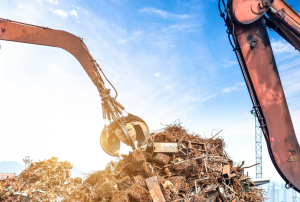
The export market on the North American East Coast has been firming after seeing a sale that climbed to $415.50 per metric ton (mt) CFR for HMS 85/15.
Klöckner & Co.’s North American business attributed its first quarter losses to reduced shipments, a knock-on effect of its divestment in 8 US-based distribution sites, at the end of 2025.

OCTG imports from China will continue to face US anti-dumping and countervailing duties for at least another five years.

Southeast Recycling Group (SRG) said it will acquire the assets of NuCycle LLC, including an automobile shredder and auto parts yard (Carolina Salvage) in Rock Hill, S.C.
Russel Metals’ earnings jumped in the first quarter as it reported record quarterly shipments and revenue.

Steel traders continue to report strong interest from North American buyers, with their import orders ticking higher, according to our latest survey results. Many manufacturers and service centers, however, report that they have not yet taken the bait.
AISI, SMA, and the Canadian Steel Producers Association will each publish a monthly column in the lead-up to the USMCA periodic review.
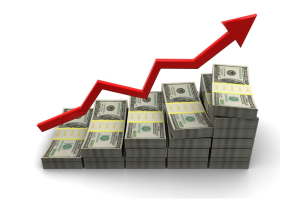
Sheet and plate prices remained on an upward trend as industry sources increasingly asked whether improved demand might be driving the market as much as limited supply.

Most manufacturing indicators strengthened through March and showed strong positive annual growth.

The agency found sufficient evidence to support the petitioners' allegations of dumping and subsidization and thus took up the case.

POSCO said its negotiations with Cleveland-Cliffs remain active, citing differences in opinions for lagging progress.
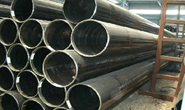
The Trump administration's invocation of the Defense Production Act authorizes the Department of Energy to use DPA tools to accelerate construction, expand domestic manufacturing capacity, and shore up critical supply chains – all areas with direct implications for steel.
President Donald Trump has threatened to raise tariffs on auto imports from the European Union to 25% from 15%.
Domestic raw steel production increased to a new multi-year high last week, per AISI figures.

The prevailing sentiment for May is that #1 busheling and bundles are likely to increase. This may cause pig iron to continue its upward trajectory.
I haven’t done a deep dive into our sentiment data for a little while. And it’s timely to do so now. Why? Because we’re seeing what I’ll call the inverted yield curve of steel buyers’ sentiment.