Market Data
August 14, 2013
Steel Market Update Price Momentum Indicator Remains at Higher
Written by John Packard
With other periodicals calling a top or “peak” to flat rolled prices, the pressure has been put on Steel Market Update to clear up the muddied waters. From our perspective, the peak is usually identified when one of the domestic steel mills breaks ranks and starts cutting deals at numbers less than what they were willing to accept one week earlier. We are not seeing any new discounted deals being offered to the vast majority of the service centers or manufacturing companies. For that reason the SMU Price Momentum Indicator remains at Higher where it has been for the past 9 weeks.
SMU is investigating the rumors of significant tonnage of foreign steel (unsold) arriving on U.S. shores later this year. We have heard the rumors. We have seen signs of increased interest in foreign steel – especially a few weeks back when prices were clearly moving higher. Since them most, if not all, of the foreign mills have been raising prices which limits the spread between the foreign and domestic mills. With the short pricing cycles the market has been living through over the past few years it is important to have $100 per ton or greater spread between foreign and domestic before a company can feel comfortable in taking the inventory risk. The risk becomes even greater when the market is perceived to be close to the top – as opposed to when prices are at low ebb.
There continue to be supply issues which have not yet been totally resolved. We understand ArcelorMittal had an issue with a furnace at Indiana Harbor over the weekend. They also have a scheduled outage at Cleveland beginning in September. We also understand that US Steel is doing maintenance on a couple of their furnaces at Great Lakes this month and a 21-day outage coming up on one of the furnaces at Granite City. There is no resolution of the lockout at USS Lake Erie Works and if one was made today it would take until the end of September for the mill to come back online. There are new supply issues on the horizon – such as the expansion work being done at Nucor Berkeley – which will help to keep the market tighter than what we might expect going into fourth quarter 2013. It is expected that the Nucor construction will keep Berkeley out of the spot market for most of 4th Quarter.
We understand from our conversion mill sources that their substrate costs are increasing and they have little choice from a cost perspective but to maintain steady or rising pricing levels.
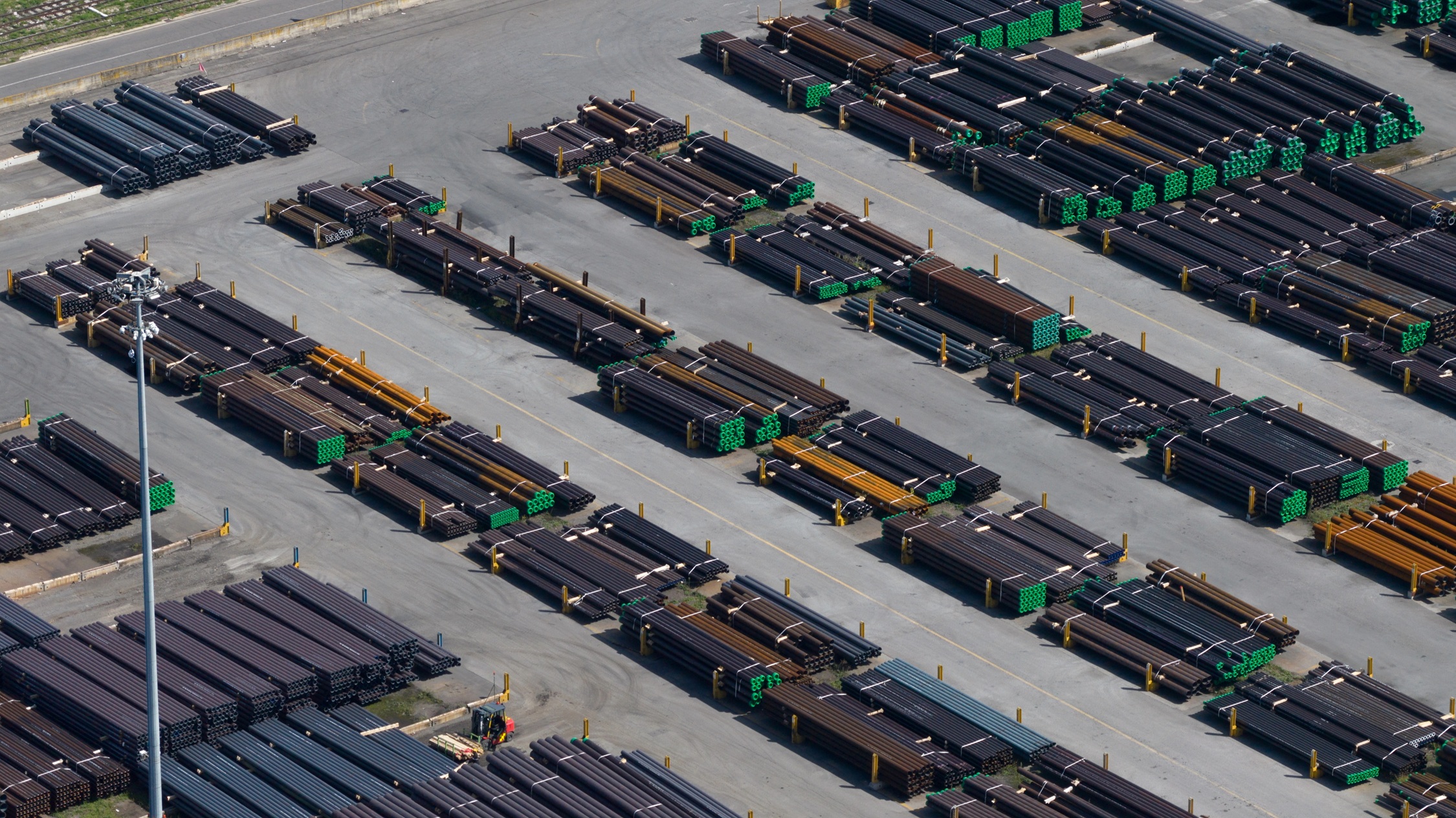
A decision will be made soon regarding whether the oil country tubular goods (OCTG) dumping case has any merit. It is expected that the ITC will not drop the case which means foreign suppliers will have to back off sending OCTG into the market. Those tons will then be diverted to the domestic producing mills thus increasing demand on hot rolled.
Demand continues to be “steady” according to most of the service centers and manufacturing companies SMU speaks with on a weekly basis. Many of our mill sources also report steady bookings and a confidence that business will remain decent in the coming weeks. No need to panic and lower flat rolled steel prices.
This could be the year when the pricing cycle returns to “normal” and we begin to see prices slip when we get into November and December lead times.
For more information about flat rolled steel prices, market momentum and trends and other news related to the flat rolled steel industry please register for a free trial to our newsletter or become an annual member by clicking on the links below.