• Skip to main content

    Prices

    Will Flat Rolled Return to "Normal" Seasonal Price Change?

    Written by John Packard


    One of the questions we get regularly is what are steel buyers and sellers of steel saying about their business (demand) and inventory levels? Over this past week, Steel Market Update spoke with quite a few companies and asked them how they were seeing business and if their company was building flat rolled or steel plate inventories. A number believe flat rolled steel prices will return to their normal seasonal swoon in early fourth quarter, only to rebound when steel mill lead times reach into the New Year.

    As we mentioned in an article published on Thursday, service center inventories rose as of the end of September. SMU Service Center Inventories now average 2.90 months of supply, up from the 2.70 measured at the end of August. (Note: This is a new index where we currently survey 40 service centers at the end of each month in order to get a better feel for inventory levels of flat rolled, as well as the buying trend moving forward.)

    Latest in Prices

    Nucor temporarily halts secondary offers, sending shock waves through a tight market

    Nucor opened its secondary and excess product bid list across all its flat-rolled mills on Monday, as it typically does, market participants told SMU. But by Wednesday, when bidding was scheduled to close, Nucor notified buyers it would not be awarding any bids this week. The abrupt close sent a shock through the secondary market, they said. "Nucor pulled their excess and secondary lists this week and is not selling anything," a Midwest buyer said.

    Sheet prices surge as ’26 market squeeze spills into ’27

    Sheet prices soared this week as market participants increasingly predict that the strong market characterizing 2026 will stretch well into 2027. And with extremely limited spot availability, mills that have spot tons to sell are charging a significant premium, they said. The result: Sheet prices saw their highest week-over-week gains since March 2025, according to SMU's pricing records. That's when President Trump shocked the market by expanding Section 232 tariffs to cover traditional US allies such as Canada, Mexico, and the EU.

    Nucor increases spot HR to $1,280/ton

    Nucor said on Monday, Nov. 2, that its consumer spot price (CSP) for hot-rolled (HR) coil will be $1,280 per short ton (st) this week, up $10/st from last week. The CSP for HR coil from California Steel Industries (CSI) on the West Coast will be $1,350/st, also up $10/st from a week earlier. Nucor continues to offer lead times of three to five weeks, according to its letter to customers. You can track mill price announcements on our website. Steel Market Update published a weekly price assessment on Tuesday, Oct. 27, showing HR coil prices averaging $1,305/st, up $15/st from the previous week.

    HR Futures: Basic story remains, but curve shifts

    In my last column, the HRC futures curve was pricing a sizable premium on near-term tightness while still pointing toward eventual normalization. Since then, that basic story has remained intact, but the shape of the curve has shifted meaningfully. Rather than simply moving higher and pushing the peak out by another month, as has largely been the pattern throughout this rally, the curve is now pricing a more pronounced and prolonged period of tightness, while the long end has remained relatively anchored, which previously had also been lifted with the rest of the curve.

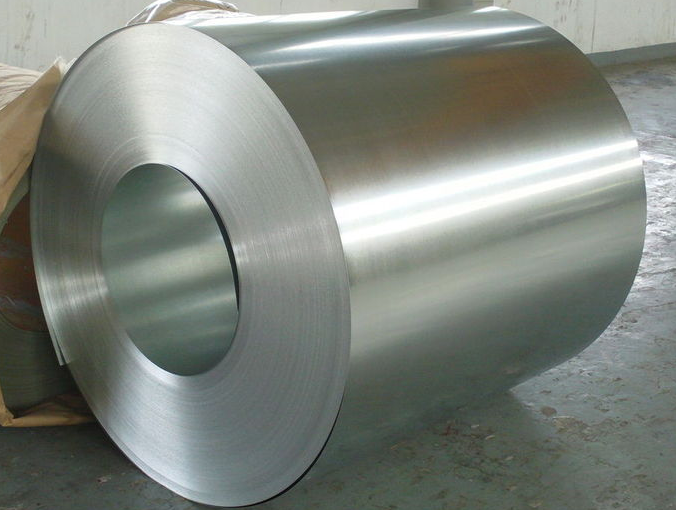
    galvalume steel coil

    SMU Survey: Mill willingness to negotiate price at lowest levels since 2021

    The majority of steel buyers responding to our latest market survey reported that mills continue to hold a firm grip on prices. The share of buyers reporting that mills were negotiable fell this week to the lowest rate seen in over five years. Every two weeks, SMU surveys service center and manufacturer buyers asking if mills are negotiable on new spot sheet and plate orders. In this week’s survey, just 3% of respondents said mills were willing to talk price to secure an order (Figure 1). This is down 11 percentage points from our mid-October survey.