Analysis
November 20, 2025
Barry Zekelman says it's a 'fantastic' time for steel in the US
Written by Ethan Bernard
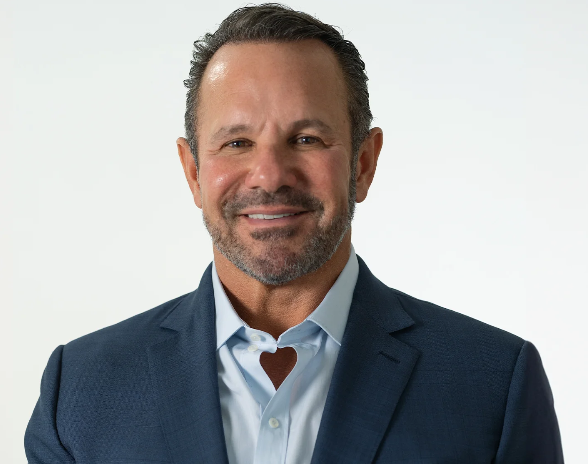
Barry Zekelman has never shied away from speaking his mind. The last time SMU caught up with him was at Steel Summit in August. There, he lamented the state of the Canadian steel industry and the government’s lackluster efforts to bolster it. He also spoke approvingly of the idea of “Fortress North America,” envisioning a robust trade bloc despite the hiccups in negotiations since the second Trump administration began. So, where do we stand now as 2026 quickly approaches and we’re on the verge of year two of Trump 2.0?
Well, being fed up with the Canadian federal government’s actions, or lack thereof, Zekelman, a native Canadian and executive chairman and CEO of Chicago-based pipe and tube maker Zekelman Industries, took the matter into his own hands. He sat down for an interview with SMU earlier this week.
Recently, his company has been offering CA$1,000 rewards to those who report on foreign steel used in publicly funded Canadian projects.
He said that, while the Canadian government “can talk a big talk in the headlines, they don’t understand what goes on day to day in the trenches.”
Zekelman noted the problem of foreign steel runs deep. The best price for material does not always equal being “best for Canada.”
“And the only way to see the dirt is to shine a big light on it,” he added.
This week, the company revealed 10 projects it has verified as using imported steel. They’ll continue giving out info every week on offending projects. According to Zekelman, the initiative has generally been very well received.
“We’ll release it to the local areas and the municipalities and the federal agencies in the areas that the jobs are exposed, and we’re going to release it to the Canadian Steel Producers Association,” commented Zekelman. “So I think it’s having an effect.”
Canadian pulse
The Canadian government recently passed its federal budget, which provides some protections for the domestic industry. But Zekelman agreed with the Canadian Steel Producers Association’s assessment that there is still a lot more work to be done.
“Canada needs to go a lot further” to help its steel industry, Zekelman said, describing it as “on its knees” back in August. “The whole thing has been blown apart primarily by China’s displacement throughout the world of all the steel that it ships abroad.”
As for remedies, Zekelman noted that Canada needs comprehensive trade reform.
“We need to do a policy on blocking out the foreign, offshore imports that are coming in, and then we need a better procurement policy. So there’s a lot that has to happen,” he added.
‘Fortress North America,’ the sequel
At this year’s SMU Steel Summit, Zekelman was a proponent of the “Fortress North America” idea. In such an interconnected bloc, each of the three nations (the US, Mexico, and Canada) keeps out “unfair” foreign steel and has robust supply chains among themselves.
The USMCA trade agreement is up for review in 2026, but Zekelman sees things unfolding between the countries outside of the formal pact.
“Canada and Mexico are going to be two separate deals,” Zekelman said. “I’m a businessman. And if I’m negotiating those deals and I’m sitting in the middle of these two countries, why on God’s earth would I make a deal that lets Mexico and Canada have a beneficial deal with me?”
He explained that, as the world’s largest economy, the US is in the driver’s seat.
“I’m going to make a deal with Mexico that works for me, and I’m going to make a deal with Canada that works for me,” he said.
He also downplayed the effectiveness of Canada and Mexico teaming up for bargaining power against the US.
“The notion that Canada and Mexico are going to tie themselves together to negotiate a better deal with the US, I think, is actually really naive. It’s not going to happen,” he said. “Mexico will negotiate whatever deal is best for them. Canada should do the same for Canada.”
As for the trade friction between Canada and the US, and the general unpopularity of President Trump’s policies up north, Zekelman was a realist.
“Canada needs to realize that while we may not like what’s going on, it is reality,” he said. “We need to show up to play the game, and it just so happens that the conditions have changed.”
State of the market
Outside of the trade issues, Zekelman was upbeat on steel in the US. With hot rolled prices on the upswing, he has a positive view of the current market.
“I’m very bullish,” he said. “Everyone I’ve talked to, the volumes are pretty good. There are some areas that are off, but others are getting stronger.”
He said there are some problems in pipe and tube that need to be addressed. However, there could be a bonanza on the flat rolled side, energy is busy, and data centers remain a hot spot.
Beyond the data centers themselves, he said, they also require infrastructure and equipment to build them, and a continuous energy supply.
“And that’s only going to expand,” he said. “The amount of steel that’s being used in it is massive, and they’re just getting started.”
All in all, Zekelman was very enthusiastic about the state of the US steel industry and the metals space.
“I think there are some great things going on in the steel industry. It’s going to be fantastic for American consumers of steel and manufacturers who use steel and aluminum,” Zekelman said. “So I’m really encouraged.”