Analysis

April 12, 2026
Leibowitz: Middle East War and tariff changes mean more market uncertainty incoming
Written by Lewis Leibowitz
As the war in the Middle East pauses for two weeks (maybe), other issues are equally up in the air.
Let’s go through just a few issues that continue to confound:
- The Middle East War: A cease fire was declared last Tuesday evening. Trump and Iran both claimed victory. Neither is correct.
- Tariff changes: Sparks are sure to fly from President Trump’s new proclamation substantially changing the steel and aluminum tariff regimes. Major dislocations will affect downstream industries. And they will push importers to focus on the valuation of imports.
- Tariff refunds and litigation: The Court of International Trade (CIT) is considering Customs’ proposed plan to issue refunds for International Emergency Economic Powers Act (IEEPA) tariffs. Recall the Supreme Court struck IEEPA tariffs down in February. Potential complications delaying those refunds loom. Meanwhile, the newly minted tariffs under Section 122 of the Trade Act of 1974 are under attack in the Court of International Trade.
Let’s drill down.
The Middle East War
The Middle East War, which began on February 28, entered a cease-fire period on April 9. How long that will last is anyone’s guess. The parties talked over the weekend in Pakistan. They agreed to a fragile cease fire, but there are vast differences as to what they agreed on.
President Trump announced that the US agreed to cease military operations against Iran for two weeks (expiring April 21). And Iran agreed to “unconditionally” open the Strait of Hormuz to commercial shipping. So far, the US is adhering to its promise, but Iran is not. Iran claims that continued Israeli operations in Lebanon violate the cease fire. In response, Iran has declared the Strait of Hormuz closed. Iran has declared that it will charge a “toll” on shipping through the Strait. The US rejects the right of Iran to charge tolls.
In the meantime, the Israelis assert that operations in Lebanon against Iranian proxy Hezbollah were not part of the cease fire deal.
Iran is feeling its oats as it takes practical control of the Strait. By all accounts, traffic through that vital waterway is a trickle of its prewar volume.
What can be done to change that, apart from renewed hostilities?
Maritime insurance in focus
Major insurers of maritime commerce have restricted or withdrawn insurance for Hormuz traffic. That helps Iran control the Strait. Governments have addressed this problem in past conflicts (for example, during the Iran-Iraq war in the 1980s) by limiting the risks that insurance companies face. Under the Merchant Marine Act of 1936, the US can provide government guarantees to prevent insurance premiums from spiking. But so far, neither the Trump administration nor other maritime governments (e.g., the UK) have acted.
Commercial shipping of 20% of global oil and gas trade hangs in the balance. And the problem is affecting the US economy, because gasoline prices have spiked in response to the closure of the Strait to tanker traffic.
This is a clear wakeup call for the world: we all live in an interdependent global economy, whether we like it or not. That is not going to change any time soon.
Big changes to Trump’s downstream S232 tariffs
The tariff situation continues to evolve. In February, we saw the President Trump replace the IEEPA tariffs that the Supreme Court invalidated with 10% tariffs under Section 122 of the Trade Act of 1974. The new tariffs have been challenged, and plaintiffs are seeking an order enjoining their collection. That motion was argued on April 10.
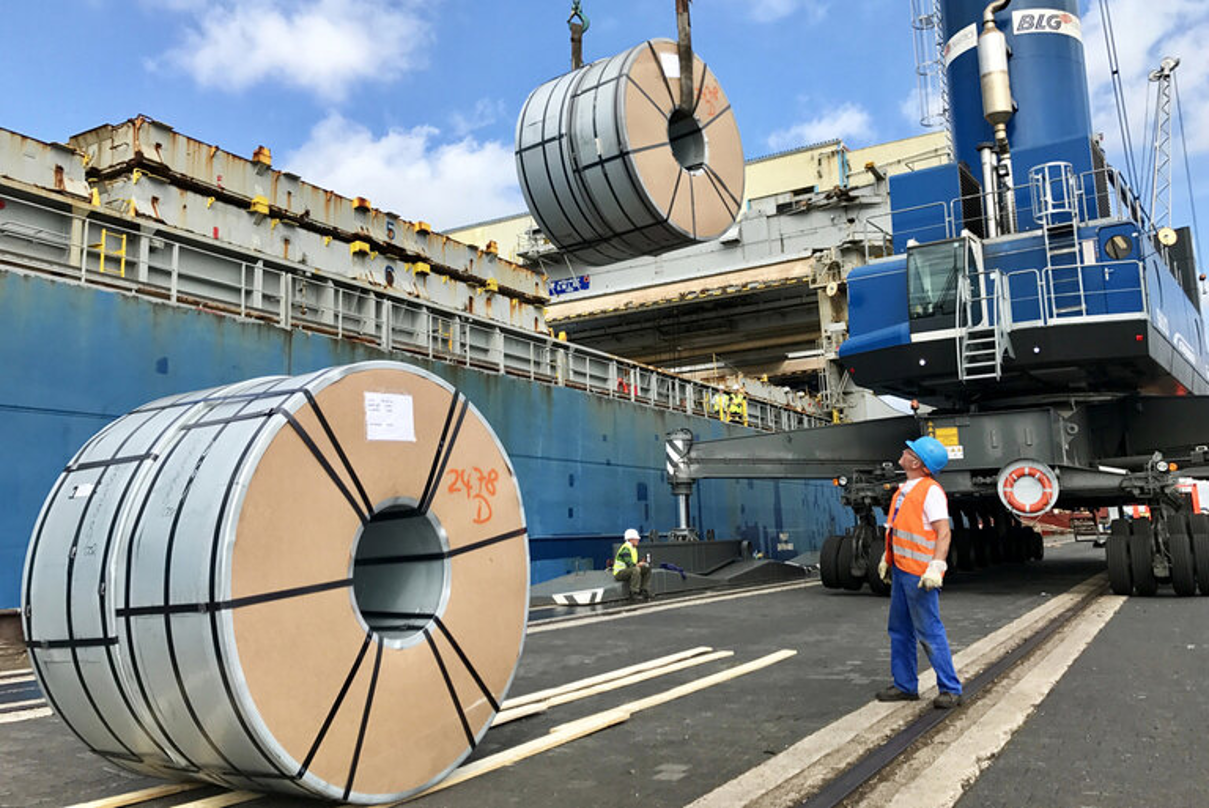
Section 232 tariffs on steel and aluminum have also been redone, which is causing concern in downstream markets. The US has given up on trying to limit 50% tariffs on steel and aluminum to the steel or aluminum content of imported products. Instead, the entire Customs value of import shipments will bear the tariff. But the tariff on many downstream products was reduced to 25%. And other products were excluded from the tariffs altogether.
For those imports covered by the new 25% tariffs, the increased value base could actually increase importers’ tariff bills. Ironically, the US steel and aluminum producers won’t be helped by these increased tariffs. Basically, it’s an attempt to increase taxes on US manufacturers that use intermediate manufactured inputs, which hurts the chances for “reshoring” American manufacturing.
Refunds will take a while
The complexity of tariff refunds is frustrating to claimants. Customs claimed that it could not immediately refund illegally imposed tariffs. By next week, Customs is required to present a proposal for handling “Phase 1” of the refund process, which will cover about two-thirds of the $166 billion in IEEPA duties collected.
Importers will apparently be required to submit claims for refunds, even though Customs appears to have all the information it needs to calculate the appropriate refund on each entry. These claims will be reviewed by Customs, and disputes may arise. Perhaps the administration wants the refunds to be delayed until after Oct. 1, the start of the new fiscal year for the federal government. Refunds of $166 billion could blow a big hole in the federal budget.
Beyond Phase 1, the rest of the imports ($50 billion or so) are in legal limbo so far. A new “test case” to handle refund arrangements was designated last week. Perhaps CIT Judge Richard Eaton will hold the government’s feet to the fire on that issue and insist on expedited procedures. But importers not eligible for Phase 1 refunds will wait for an indeterminate time for any refunds.
No doubt, events will scramble the status quo. Meanwhile, the global systems that have prevented major wars for 80 years are sagging.