
Final Thoughts
What are our scrap survey participants saying about the market?


What are our scrap survey participants saying about the market?

The administration continues to negotiate deals with US trading partners, and the reciprocal tariff program appears poised for further modification. This week, we focus on other important developments that may have received less media attention.
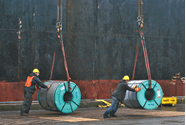
The volume of steel shipped outside of the country in June fell 3% from the prior month to 618,000 short tons (st), according to recently released data from the US Department of Commerce.
What the word "sideways" means can depend on where you sit on the procurement spectrum.

Since the last writing of this article, CME hot-rolled coil (HRC) futures have been largely steady and lifeless, though there’s been some brief bouts of intraday volatility.
Following January’s pre-tariff surge, imports have remained low since February compared to post-pandemic volumes

SMU’s Monthly Review provides a summary of our key steel market metrics for the previous month, with the latest data updated through July 31.

Current and future scrap sentiment indices declined this month, according to SMU’s latest ferrous scrap survey data.

Sheet and plate prices were either flat or modestly lower this week on softer demand and increasing domestic capacity.
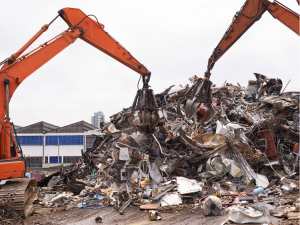
The ferrous scrap market for August appears to be settling sideways as the threats posed to the market in July have not materialized.

Prices for four of the seven steelmaking raw materials we track were unchanged from late June through the end of July, while two increased and one declined. Collectively, these material prices rose 1% month over month (m/m), but are down 3% compared to three months ago.
Earlier this week, SMU polled steel buyers on an array of topics, ranging from market prices, demand, and inventories to tariffs, imports, and evolving market events.
ArcelorMittal expects less demand growth across most of the markets it operates in, including the US, because of President Donald Trump’s tariffs. But the Luxembourg-based steelmaker also thinks it stands to benefit from an increasingly regionalized world thanks to investments like the new EAF at its mill in Calvert, Ala.
Latin American steel producer Ternium delivered a solid performance in the second quarter of 2025. Performance was driven primarily by higher realized steel prices in Mexico, even as shipment volumes declined slightly across its regional portfolio.

The Trump administration has exempted Brazilian pig iron and iron ore from an aggressive "reciprocal" tariff ahead of the Aug. 1 deadline.
Sheet prices slipped again this week amid discounting from certain mills and ongoing concerns about demand.
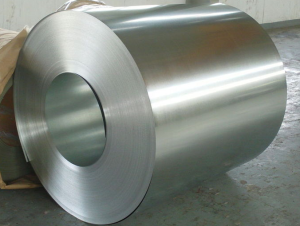
Attorneys representing domestic petitioners and foreign respondent companies have been busy filing case briefings and making rebuttals as the corrosion-resistant steel unfair trade investigations begin to wind down.

The Brazilian pig iron community is playing defense ahead of the Aug. 1 deadline for a 50% US tariff on imports from the South American country. The moves indicate the Brazilian producers do expect the tariff to go into effect.

Is this just a severe case of the summer doldrums? Will demand improve in the fall, as it often does? Or has uncertainty around tariffs and the economy created a more lasting impact?
With 30 years of experience at Steel Dynamics, Barry Schneider reflects on the company and the state of the steel industry.
Steel Dynamics Inc. (SDI) executives called a 50% tariff on Brazilian pig iron “concerning,” but think tariffs will be a “mainstay” of trade agreements going forward.
Trade issues do not seem poised to leave the headlines anytime soon. And as recent developments show, the administration’s tariff policy remains ever-changing.
The announcement of 50% tariffs on Brazilian imports, including pig iron, could have a dramatic effect on steelmaking raw materials.
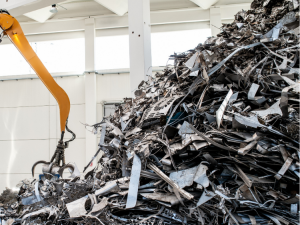
Ferrous scrap prices are flat in the US for a second consecutive month, but tariffs on imports of Brazilian pig iron could change the game in August.
President Donald Trump on Wednesday said he would increase the “reciprocal” tariff on imports from Brazil to 50% effective Aug. 1. That could have big implications for pig iron.
The resistance Brazilian pig iron sellers had shown to accepting lower prices has proved short-lived, sources told SMU.
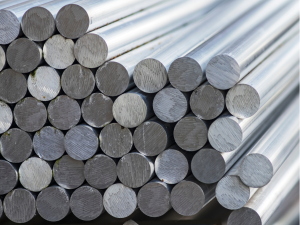
The moves include reciprocal procurement restrictions, import quotas, and the formation of stakeholder task forces for aluminum industries.
Brazilian pig iron prices fail to rise after ferrous scrap market settle.
Highlights from the week and things to keep an eye on.
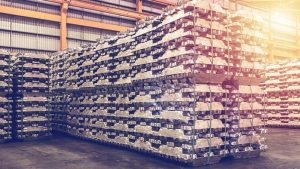
Rio Tinto is embarking on a major upgrade of the nearly century-old hydroelectric station in Quebec to secure low-carbon power for its aluminum smelters in the region.