Analysis

June 25, 2026
Final Thoughts: Import allure?
Written by David Schollaert
Domestic hot band prices are at a multi-year high, presently averaging $1,145 per short ton (st). They’re on a 39-week rally that has seen prices climb $360/st over that span.
Let that sink in for a moment. We’ve been on a price rally for three-quarters of a year.
We haven’t seen prices this high since April 2023. And the trend isn’t just for hot rolled. Cold-rolled and tandem products are mirroring these figures. And plate isn’t that far off.
We haven’t seen a pricing surge like this since the post-pandemic 57-week stratospheric rally that saw prices increase by more than $1,500/st, topping out at $1,955/st on average in September 2021.
It’s not just prices
Lead times are also at multi-year highs. Hot-rolled (HR) coil production times are presently averaging 7.7 weeks and are at their highest level since October 2021. And again, it’s not just hot band. Lead times across all flat-rolled products are stretching out and at multi-year highs.
Tack on the fact that service centers’ flat-rolled steel supply fell to just 44.7 days in May, according to SMU data. Inventories are 22% from a year ago and the lowest total since May 2021.
Intake continues to be outpaced by outbound shipments. We’re hearing of inter-buying and double-buying as flat-rolled steel service centers and distributors look to cover shipments as mill lead times stretch out and stack the pipeline.
Are imports an option?
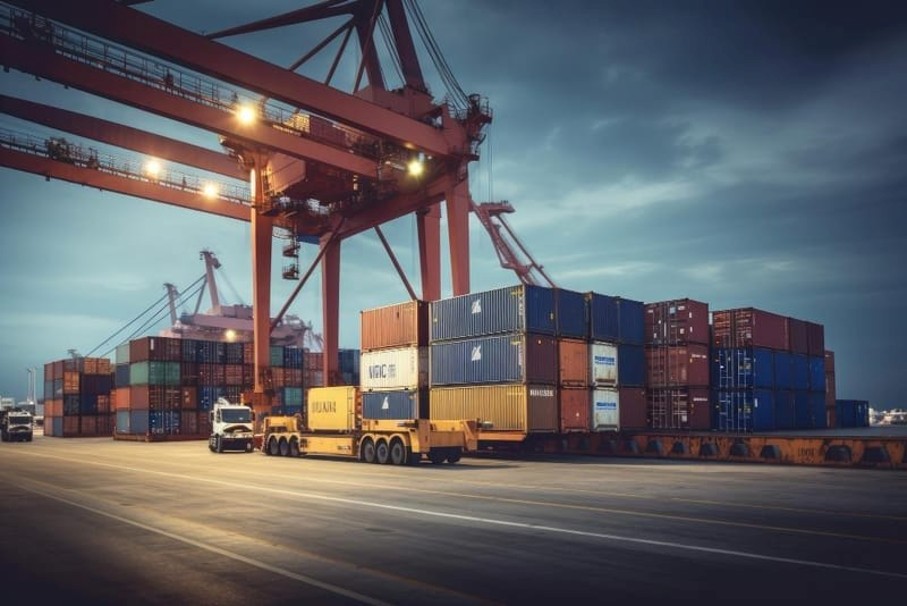
The US is seen as a premium market right now. And while no one wants to risk a dumping case, with availability currently a leading concern, could imports become a more significant option, even if just in the near term?
So with all this talk of high prices, limited availability, and lean—almost scary lean—inventories, some in the market are really kicking the tires on imports. And data suggests they’re not just kicking the tires, some indeed have signed on the dotted line.
While some are sure demand is strong enough to absorb imports, others are looking for a relief valve to cover inventory holes. And while prices near parity might cause offshore products to be more enticing, sources tell us availability is the real driver.
Commerce data suggests the appeal is real. April steel imports were up 22% from the near five-year low set last September. May license data collected through June 7 currently totals 2.10 million st, potentially a 10-month high.
And this is after imports fell to some of the lowest levels recorded since 2020, after Trump’s 50% Section 232 tariff regime became a stout barricade.
But current dynamics at play are starting to draw more attention.
The growing allure of offshore product
SMU calculates a theoretical spread between domestic (FOB mill) and foreign (delivered to US ports) HR and CR coil prices. You can see our most recent analysis for hot band here and for cold-rolled here.
And while these aren’t actual prices—I’ll get to that in a minute—they provide a snapshot of how stateside prices compare to offshore product, on a landed basis.
Let’s just say that, while undiluted 50% Section 232 tariffs had originally been a decisive factor. But this domestic price rally has coincided with fading offshore prices, closing the gap S232 created, and in some cases, US prices are driving a premium.
But it’s not just prices. While domestic mill production lead times are on average just below eight weeks, some mills are reportedly stretching as far as 11 weeks for hot band. That timeline is very close to what it takes for imports to arrive on US shores.
Speaking of which…
We’re hearing there is increased communication from traders and mill representatives from Asian, European, and South American steel mills. HR coil offers into West Coast ports at $1,080/st delivered for August and/or September shipments. Hot band delivered into Gulf Coast ports between $1,060-1,090 delivered, also for an August or September ship.
Other sources note that large enough tons could land below $1,000/st on a delivered basis from Asia.
Now, there is a caveat: prices are subject to renegotiation if the tariff rate changes.
While this has been a turnoff in the past, with US prices at or near a premium, and lead times stretching out, we might see more imports make their way to US ports in the short-term.
Survey says
Lastly, just a slight sneak peek. Our latest survey data will come out tomorrow to data providers and premium members, but this week we saw a notable shift in both manufacturing OEMs and service centers reporting increased competitiveness on foreign steel. To the tune of 57-86%, saying that HR, CR, and tandem products are being offered at attractive prices.
That is a shift from just a few weeks ago, when nearly 67% were saying import offers were not competitive.
Let’s just say it will be interesting to monitor how import volume behaves over the next few months. And how rising stateside prices may impact import trends through Q3 and into Q4.
Drumroll, please…
Starting tomorrow, June 26, SMU’s Final Thoughts will become a standalone article delivered on Fridays, creating a dedicated space for thought leadership and market analysis.
Our regular newsletters will continue to bring you everything you’ve come to love and depend on during the week. But Final Thoughts will become a focused end-of-week read, offering our take on the key market themes, the bigger picture behind them, and what they could mean for our subscribers.
So be on the lookout for it tomorrow.
And from all of us at SMU, we thank you for your continued support.