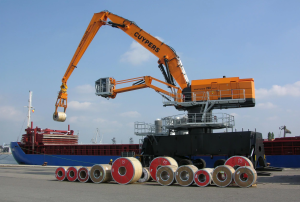
Steel exports tick up to 13-month high in April
US steel exports improved 2% from March to April to the highest monthly volume seen in 13 months. Although up, trade remains historically low


US steel exports improved 2% from March to April to the highest monthly volume seen in 13 months. Although up, trade remains historically low

US service centers’ flat-rolled steel supply declined for a fourth straight month in May, with shipping days of supply slipping to 44.7 on an adjusted basis, according to SMU data.
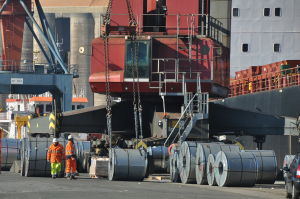
After reaching historic lows late last year, import volumes have increased each month of 2026, according to recently released US Commerce Department data.
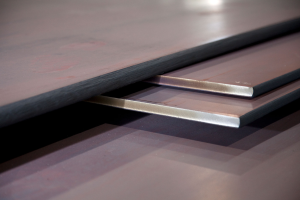
Spot market participants recently told SMU they foresee additional plate price rises for domestically made products.

Steel mill lead times extended this week on both sheet and plate products, now at multi-year highs.

This week we saw continued low negotiation rates across all products, with cold rolled and plate the least negotiable and galvanized the most.
All five of SMU’s price indices increased this week to new multi-year highs. Prices have increased by 20-25% since the beginning of the year.
SSAB Americas plans to increase plate prices by at least $40 per short ton (st), according to a letter sent to customers on Monday.

Longtime steel veteran Robert Simon is excited about the transformation taking place at JSW Steel USA. And he has a rosy outlook for the rest of the year.
We are happy to share that the SMU Price Estimator Tool is now a little easier to navigate.

Nucor on Friday announced plans to increase plate prices by $60 per short ton (st).
Algoma Steel announced on Thursday a price increase for coil and plate products, effective immediately.

Participants in the plate market doubt prices, lead times, and demand forces will cool down any time soon.
SMU’s sheet price indices continued to climb this week, while plate held steady, all at multi-year highs.
JSW Steel USA CEO Rob Simon will join Steel Market Update (SMU) for a Community Chat on Wednesday, June 3, at 11 a.m. ET.
Steel mill lead times remain at or near multi-year highs for all sheet and plate products.
This week we saw low negotiation rates across all products, with coated and plate products slightly more negotiable than hot rolled and cold rolled.
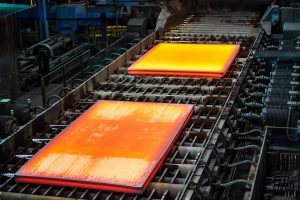
Market participants report frustration with extending lead times for domestically produced plate products.
Sheet and plate price indices increased between $5-20 per short ton (st) from last week.
JSW Steel USA CEO Rob Simon will join Steel Market Update (SMU) for a Community Chat on Wednesday, June 3, at 11 am ET.

US domestic steel prices continued to increase for most products as demand remained resilient amid tight supply. Domestic sheet and plate prices increased over the past month, while long products prices were mostly stable, with only structural and merchant bar prices edging up higher.
Domestic plate market participants named extended lead times, increased freight costs, escalating fuel surcharges, and spotty demand as their most recent challenges.
Sheet prices continue to rise in a market that remains characterized by extremely limited spot availability, solid demand, long lead times, and the lowest sheet inventories since May 2021.

The Commerce Department's International Trade Administration recently concluded several administrative reviews of the anti-dumping and countervailing duties (AD/CVDs) on various steel imports. The reviews resulted in the following duty adjustments.
Nucor Plate Group will maintain its previously announced fuel surcharge of $10 per short ton for next month, effective on all shipments beginning June 1.

Grupo Acerero SA de CV posted higher shipments and stronger profitability in the first quarter of 2026.
India-based JSW Steel’s combined US operations swung to a slight profit in its fiscal fourth quarter of 2026.
US service centers’ flat-rolled steel supply fell for a fourth straight month in April, with shipping days of supply slipping to 45.7 on an adjusted basis, according to SMU data.
SMU Survey: Sheet and plate lead times remain extended, according to buyers responding to our latest market survey.

Buyers continue to report mills are holding a firm grip on sheet and plate prices.