Steel imports remain low in January and February
Steel imports remained close to multi-year lows in January and February, according to US Commerce Department data released this week.
Domestic plate market participants expressed confidence in the overall improvement of market conditions this week.
Algoma Steel said the Section 232 tariff shock continues to shape its business model. The 50% US duty effectively shut the company out of its largest export market, forcing a structural pivot toward Canada.
Nucor Plate Group notified customers it is increasing prices on all rolled products by $40 per short ton (st) and $60/st on all heat treat products.
SMU's sheet and plate prices were flat or higher this week in a US market that remains characterized by extended lead times and limited spot availability.
Reliance Inc. announced two big US government contract wins from its wholly-owned subsidiary AMI Metals Inc.
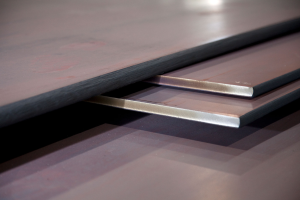
Plate sources say they’re welcoming imports as domestic mill delivery delays, extended lead times, and climbing prices make fully adopting US-produced plate products unrealistic.
Oregon Steel Mills and SSAB Americas announced higher plate prices to close out the week.
Following extensions in February, steel mill lead times held steady or extended further for both sheet and plate products this week, according to buyers responding to our latest market survey.
Most steel buyers responding to our market survey this week said domestic mills remain unwilling to negotiate lower prices for new spot orders.
SMU's sheet and plate prices increased this week to new multi-month highs.
Plate industry sources said the market has been characterized by three factors lately: fewer domestic mills willing to fulfill spot buys, inconsistent lead times, and erratic demand.
Trade for many of the sheet and plate products we follow has fallen to multi-year lows through December.
US hot-rolled coil prices are set to rise year on year in 2026, but the market will face heightened volatility as import flows recover and new domestic capacity comes online, CRU Research Principal Josh Spoores said at this year's Tampa Steel Conference.
Sheet prices continue to grind higher on tight supply and 'okay' demand. Plate finally saw some movement after weeks of stability as price increases begin to stick.
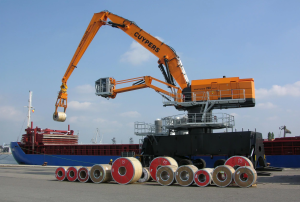
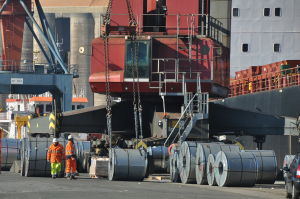
Steel imports slowed further in December and January to some of the lowest volumes recorded in recent years.
The US Department of Commerce is adjusting the countervailing duties (CVDs) on steel plate imports from Korea.
Global steel plate prices are expected to trend upward as North American restocking and European regulatory costs will drive the market, even as recovery in Asian markets remains gradual and cost-dependent.
Hot rolled and galvanized lead times are about half a week longer than they were three months ago, while production times for cold rolled, Galvalume, and plate products are one to two weeks longer.
Since late 2025, mills have begun to hold a firmer stance on prices, tightening their grip at the start of this year and holding on since
Once wintery weather gives way to sunnier spring conditions, plate sources foresee the market accepting the $50-60 per short ton spot price increases issued by Nucor Plate Group, Oregon Steel Mills, and SSAB.
Three of SMU’s price indices increased this week, while two remained steady, all holding at multi-month highs.
US service centers’ flat-rolled steel supply declined in January, after trending higher in December. Shipping days of supply slipped to 58.5 on an adjusted basis at the end of January, according to SMU data.
SSAB Americas wants to increase plate prices by at least $60 per short ton, $10 more than rival Nucor’s price hike last week.
Nucor on Friday announced plans to increase plate prices by $50 per short ton (st).
SMU’s sheet price indices inched up to new multi-month highs this week, while plate prices held steady.
Plate production for the construction of the Polar Max Icebreaker is underway at Algoma’s Sault Ste. Marie facility in Ontario.
Plate market participants expect domestic producers to issue a $40-60 per short ton (st) price increase.
November steel exports tumbled 15% from October to the lowest monthly export rate since July 2020.
One third of the steel buyers responding to our market survey this week reported that domestic mills are negotiable on new spot order pricing. Mills began to hold a firmer stance on prices towards the end of last year, tightening their grip in early January and holding it since.