• Skip to main content

    Prices

    Shredded Scrap Prices Drop in Midwest, Primes Sideways

    Written by John Packard


    Shredded scrap prices were still volatile in some markets as it searched for a bottom in the Ohio Valley and elsewhere at the end of last week. Detroit was reported to be the first market to settle with the mills there paying $15 per gross ton less than the prior month paying approximately $380 per gross ton delivered. Prime grades such as #1 busheling remained unchanged at $400 per gross ton. Heavy melt was reported to be $360 to $367 per gross ton.

    We saw prime grades of ferrous scrap pricing in western Pennsylvania holding stable at $424-$430 per gross ton. Mike Marley of Metal Prices pointed out in his most recent article on scrap that prices to mills in this area of the country are affected by payment delays of up to three months or longer. Shredded scrap prices fell and were reported to be averaging $360-$365 per gross ton and heavy melt at $380.

    Latest in Prices

    Nucor temporarily halts secondary offers, sending shock waves through a tight market

    Nucor opened its secondary and excess product bid list across all its flat-rolled mills on Monday, as it typically does, market participants told SMU. But by Wednesday, when bidding was scheduled to close, Nucor notified buyers it would not be awarding any bids this week. The abrupt close sent a shock through the secondary market, they said. "Nucor pulled their excess and secondary lists this week and is not selling anything," a Midwest buyer said.

    Sheet prices surge as ’26 market squeeze spills into ’27

    Sheet prices soared this week as market participants increasingly predict that the strong market characterizing 2026 will stretch well into 2027. And with extremely limited spot availability, mills that have spot tons to sell are charging a significant premium, they said. The result: Sheet prices saw their highest week-over-week gains since March 2025, according to SMU's pricing records. That's when President Trump shocked the market by expanding Section 232 tariffs to cover traditional US allies such as Canada, Mexico, and the EU.

    Nucor increases spot HR to $1,280/ton

    Nucor said on Monday, Nov. 2, that its consumer spot price (CSP) for hot-rolled (HR) coil will be $1,280 per short ton (st) this week, up $10/st from last week. The CSP for HR coil from California Steel Industries (CSI) on the West Coast will be $1,350/st, also up $10/st from a week earlier. Nucor continues to offer lead times of three to five weeks, according to its letter to customers. You can track mill price announcements on our website. Steel Market Update published a weekly price assessment on Tuesday, Oct. 27, showing HR coil prices averaging $1,305/st, up $15/st from the previous week.

    HR Futures: Basic story remains, but curve shifts

    In my last column, the HRC futures curve was pricing a sizable premium on near-term tightness while still pointing toward eventual normalization. Since then, that basic story has remained intact, but the shape of the curve has shifted meaningfully. Rather than simply moving higher and pushing the peak out by another month, as has largely been the pattern throughout this rally, the curve is now pricing a more pronounced and prolonged period of tightness, while the long end has remained relatively anchored, which previously had also been lifted with the rest of the curve.

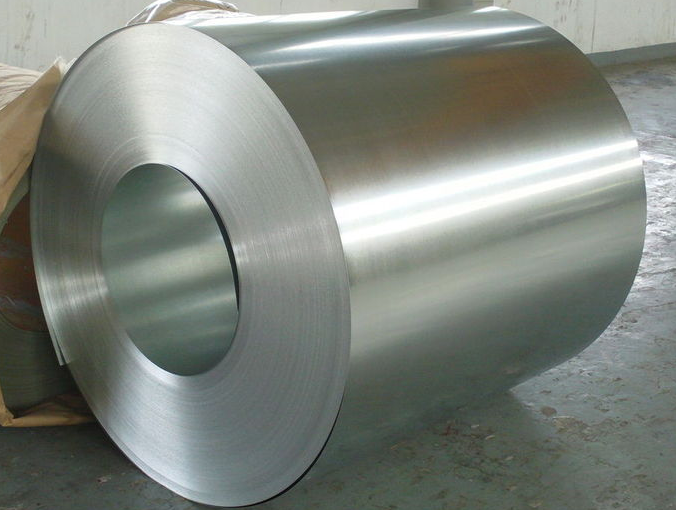
    galvalume steel coil

    SMU Survey: Mill willingness to negotiate price at lowest levels since 2021

    The majority of steel buyers responding to our latest market survey reported that mills continue to hold a firm grip on prices. The share of buyers reporting that mills were negotiable fell this week to the lowest rate seen in over five years. Every two weeks, SMU surveys service center and manufacturer buyers asking if mills are negotiable on new spot sheet and plate orders. In this week’s survey, just 3% of respondents said mills were willing to talk price to secure an order (Figure 1). This is down 11 percentage points from our mid-October survey.