• Skip to main content

    Product

    Steel, Manufacturing Groups Denounce Political Violence

    Written by Michael Cowden


    At least two domestic steel and manufacturing lobbying groups have denounced the violence that temporarily halted the certification of President-elect Joe Biden’s victory over incumbent Donald Trump.

    National Association of Manufacturers President and Chief Executive Officer Jay Timmons said President Trump should be removed from office after a mob stormed the U.S. Capitol on Wednesday at his behest.


    Michael Cowden

    Read more from Michael Cowden

    Latest in Product

    SMU Price Ranges continue upward with spot tons still extremely scarce

    Sheet and plate prices continued to march higher on limited availability and no signs of a typical year-end slowdown. Prices have been rising since September 2025, the longest price rally in SMU’s data history – surpassing even the 2020-2021 rally. Buyers said they saw few signs of the rally stopping anytime soon amid late mill deliveries, scarce spot tons, limited contract tons, and strong demand. Availability continues to trump price, buyer sources said. To secure tons from mills, some sources continue to report buying from overseas – even as import lead times stretch into Q2. Others said they were concerned about taking positions that far out and so are buying from depot stocks held by traders – even if it means paying a significant premium.

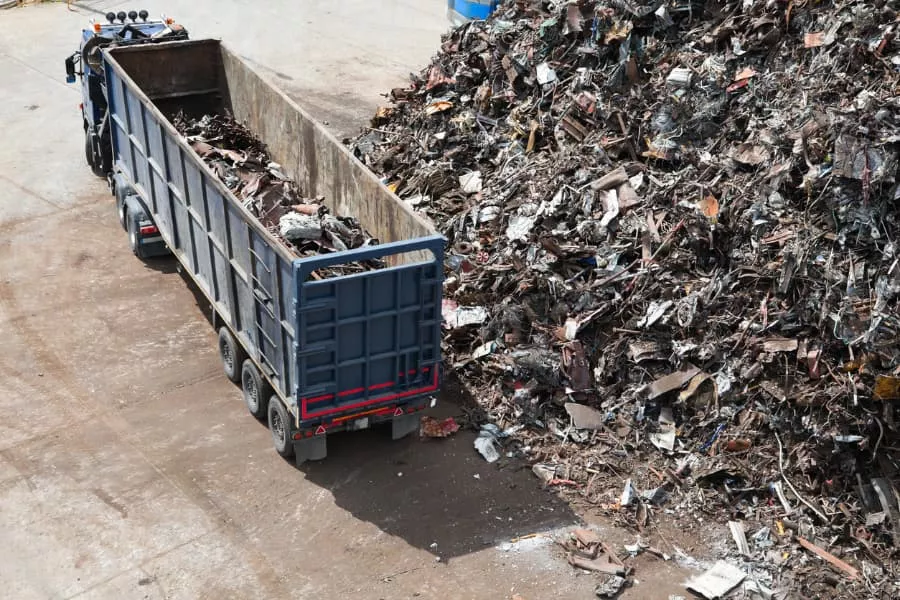
    Will ferrous scrap prices rise heading into 2027?

    The ferrous markets are all very healthy as we head into the last month of 2026. Demand for scrap is still very strong. On the supply side, the flows of obsolete grades may be reduced as winter weather takes hold. Holiday schedules at major industrial generators will limit the supply of prime grades. Of course, this happens every year at this time, but this year is radically different than the past three. Steel mill order books and prices are much stronger than preceding years.

    SMU Survey: Steel buyers turn to imports as lead times stretch and prices rise

    Amid stable to improving demand (see Slide 26), steel buyers report extended lead times and elevated prices, while imports remain a competitive option, according to SMU’s latest survey results. Most service centers and manufacturers responding to our survey said foreign offers were competitive, and many reported placing new orders for future delivery. As reported last week, sheet product lead times continue to lengthen, with most reaching their highest levels since the post-Covid demand snapback in 2021. Hot-rolled coil lead times are averaging 9.7 weeks at domestic mills, according to our survey.

    Italian ferrous scrap market faces cloudy outlook

    The Italian ferrous raw materials market activity looked promising at the start of the year. However, recent steelmaking cutbacks have dulled optimism about the country becoming a significant player in the export trade in the months ahead. In 2025 and in Q1'26, numerous cargoes were sourced from the US and Europe to feed the electric-arc furnace (EAF) and integrated mills in Italy. Many thought this activity would continue and would provide an additional option to supplying Turkey. But the rise in energy costs has put a damper on this and deep-sea cargoes have become a fairly rare event.

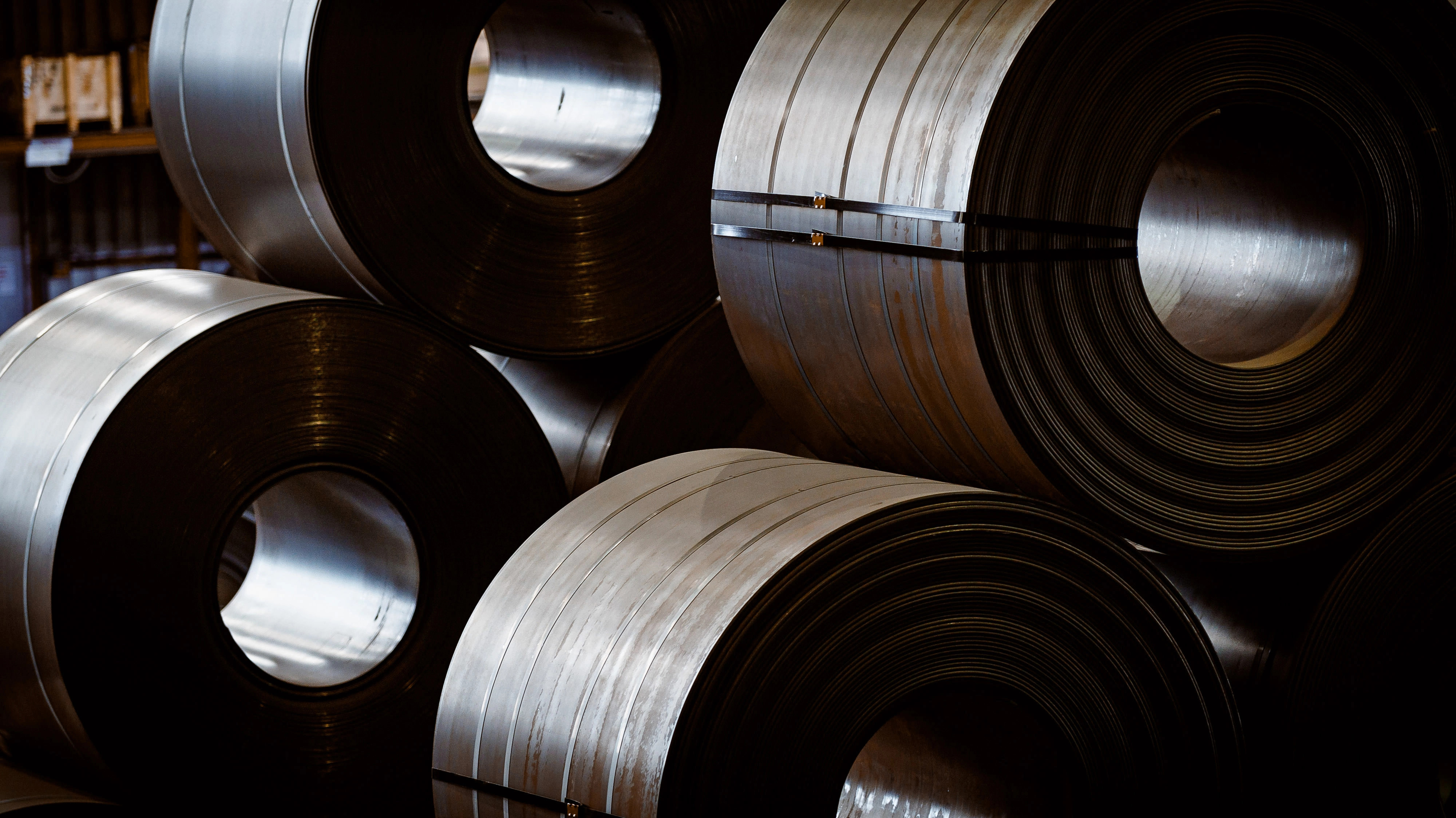
    steel coils

    October service center shipments and inventories report

    US service centers’ flat-rolled steel supply increased marginally for a second straight month in October. Shipping days of supply rose to 46.6 last month, according to SMU data. That figure marks a 1.7% increase from 45.9 shipping days in September. October’s result represents continued modest gains after inventories hit a five-year low in August. Despite the uptick, inventories are nearly 13% below October 2025 levels. Sheet inventories have averaged ~48 shipping days of supply year-to-date, down nearly 17% over the same year-ago period. Flat-rolled inventories represented 2.12 months of supply in October, down 3.0% from 2.18 in September, and 8.6% below October 2025’s 2.32 months. The month-on-month (m/m) decline in months of supply resulted from a decline (-9.6%) in intake that was backed by a modest 4.1% m/m increase in shipments.