Analysis
July 11, 2024
SMA Op-Ed: Stop building renewable energy infrastructure with high-emission imports
Written by Philip K. Bell
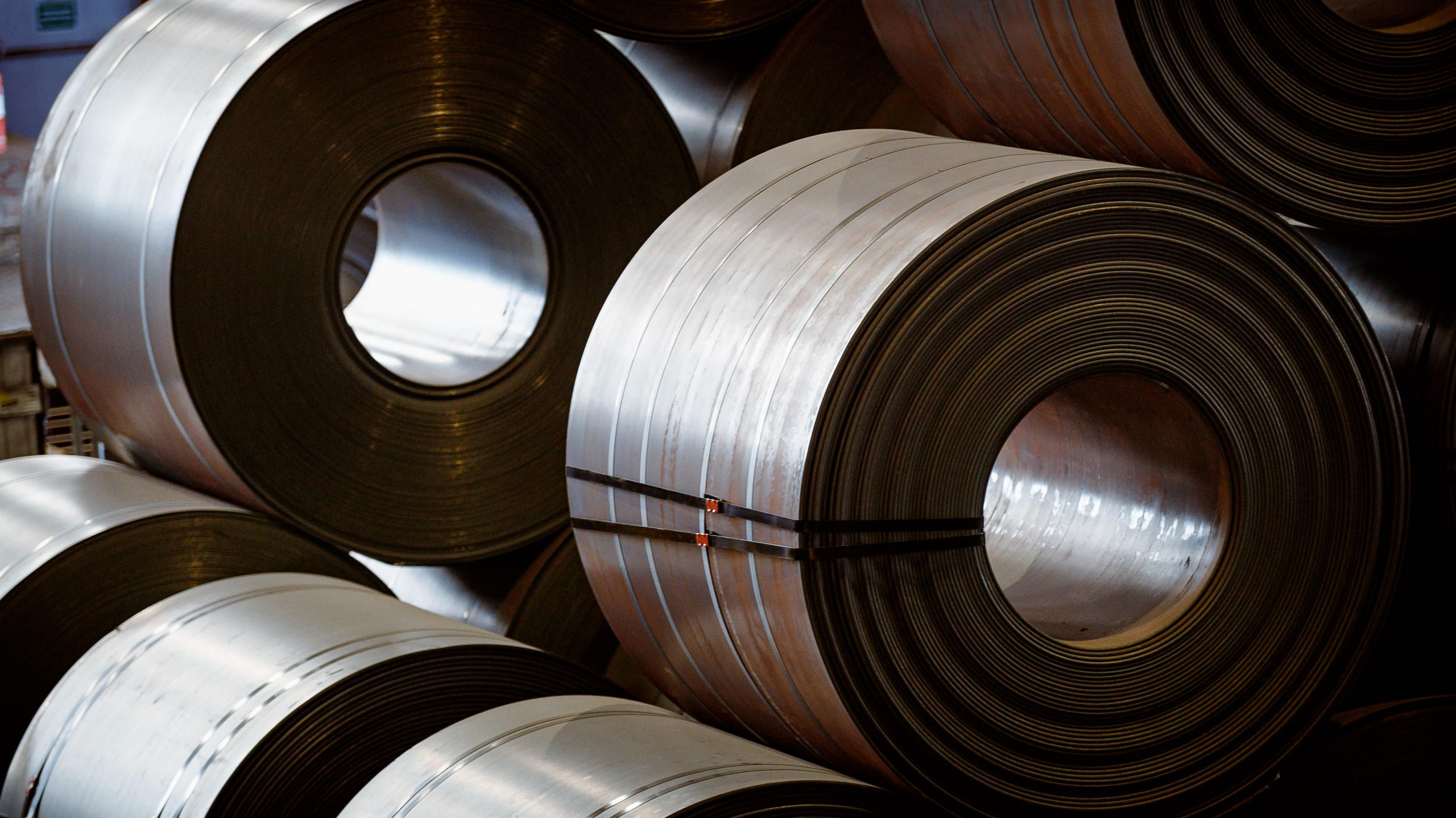
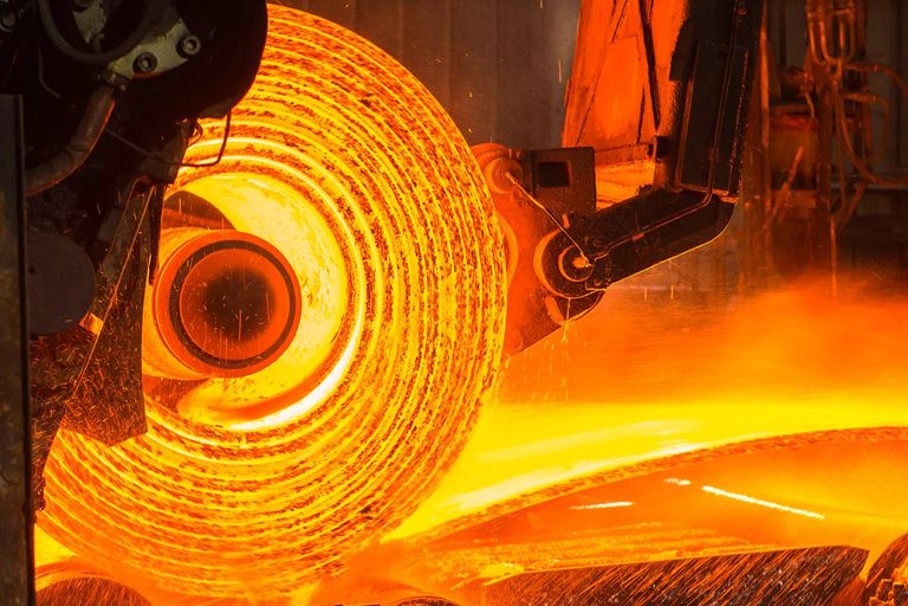
Renewable energy infrastructure – including wind turbines, solar farms, and electric-vehicle charging stations – requires substantial amounts of steel. The domestic steel industry, with its capacity to produce world-class steel with the world’s smallest carbon footprint, should be at the forefront of this supply chain. Yet the US is increasingly importing steel from abroad to meet its renewable energy needs.
Countries like China, India, South Korea, and Turkey are benefiting from this trend. They have invested heavily in their steel manufacturing capabilities, often supported by massive government subsidies that enable them to offer steel at lower prices than US producers. As a result, renewable energy project developers find it more economical to buy steel from these foreign producers, regardless of the negative impacts for the economy and the environment.
A warning from solar piles
A particularly troubling example comes from the solar industry. Solar piles, which are steel beams that are driven into the ground to support utility-scale solar arrays, are an important area of growth for the domestic steel industry. US solar pile demand is expected to grow substantially in the coming years. And domestic producers have made significant investments to meet the demand. But foreign producers are capturing an increasing share of the market by undercutting domestic pricing.
Worse still, available information demonstrates that importers are evading Section 232 duties applicable to solar piles by misclassifying their entries as “fabricated steel structures.” Steel beams are subject to Section 232 duties. Fabricated steel structures are not. Millions of solar piles are imported every year. Yet official import statistics show that virtually no solar piles are declared under the appropriate category.
This duty evasion has significant negative consequences. Domestic steel producers are forced to lower prices to unreasonable levels or continue to lose sales. The US government is deprived of revenue in the form of Section 232 duties. And the effectiveness of the Section 232 measures is undermined. Additionally, global carbon emissions increase as steel from less efficient jurisdictions floods the US market.
CBP must act
No legislation or regulation is needed to fix this problem. Resolution requires CBP to enforce existing law, holding violators accountable.
If CBP fails to act, the American steel industry will continue to face dire impacts. As imports rise, domestic steel producers face decreasing demand, leading to potential plant closures and significant job losses. This trend affects not only steelworkers but also the broader communities that depend on these jobs.
Furthermore, the reliance on imported steel raises questions about the long-term sustainability and security of the renewable energy sector itself. Dependence on foreign steel makes the US renewable energy infrastructure vulnerable to geopolitical tensions, trade disputes, and supply chain disruptions. In a world where supply chains have already been tested by the COVID-19 pandemic and ongoing international conflicts, building critical infrastructure on the foundation of imported materials is a risky strategy.
How green are global supply chains?
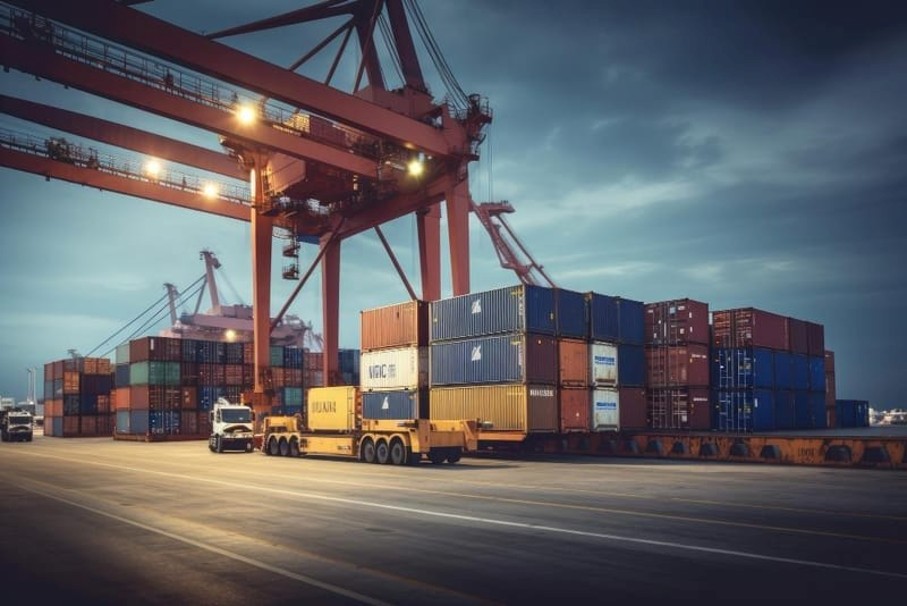
There is also a stark irony in the environmental aspect of this situation. Most of the steel for these projects is being imported from jurisdictions with a much larger carbon footprint than the United States. Additionally, shipping steel across the globe generates significant carbon emissions, offsetting some of the environmental benefits that renewable energy projects aim to achieve. Therefore, a stronger focus on using domestically produced steel could enhance the overall sustainability of the renewable energy transition.
Laws are being broken to the detriment of the domestic steel industry and the environment. Addressing this issue requires officials to enforce our trade laws, holding accountable those who misclassify imports to avoid duties. This could be accomplished through a strong enforcement action by CBP.
While the advancement of renewable energy is a necessary and commendable goal, it is imperative that development benefits the full supply chain and uses domestic materials. By prioritizing American steel in renewable energy projects, the United States can safeguard jobs, strengthen its manufacturing base, and ensure a truly sustainable future.