Worthington Steel fiscal Q4 profit rises despite sales drop
Worthington Steel earnings rose while sales fell in its fiscal fourth quarter.


Worthington Steel earnings rose while sales fell in its fiscal fourth quarter.

Prices for steel sheet slipped this week despite Section 232 tariffs remaining at 50% and a US strike on nuclear facilities in Iran over the weekend.
Subsidized Chinese steel imports and cheap steel products from Association of Southeast Asian Nations (ASEAN) entering Latin American (LATAM) are threatening the region's steel market.
CMC entered the back half of its fiscal year with improving steel margins, steady rebar demand, and confidence in long-term construction fundamentals
The resistance Brazilian pig iron sellers had shown to accepting lower prices has proved short-lived, sources told SMU.

Not many people in the North American steel market had direct US involvement in another Middle East conflict on their bingo card. Prices weren't expected to shoot higher unless something unexpected happened. That unexpected something has now happened. And there is talk of oil at $100 per barrel. What does that mean for steel?
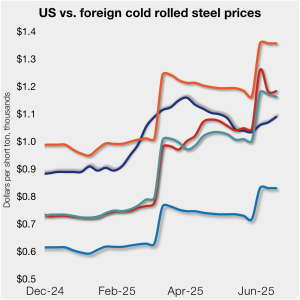
US cold-rolled (CR) coil prices continued to tick higher this week, while offshore markets were mixed.

The document makes clear that Nippon Steel, through Nippon Steel America, will have “100% ownership of [the] common stock.” So if you want to own an interest in U.S. Steel’s future success, you will need to buy shares in Nippon Steel on the Nikkei stock exchange. It certainly will not be in your domestic S&P 500 ETF.
Your highlights on the week in trade developments, price increases, scrap news, and more.
Oil and gas drilling activity declined in the US again this week the US, while Canadian counts improved, according to Baker Hughes.
The forceful headwinds bearing down on steel markets across the globe have created demand challenges and sent prices southward. The US, however, challenged the global trend.
CSPA, USW disappointed in Canadian government's actions on steel.
The moves include reciprocal procurement restrictions, import quotas, and the formation of stakeholder task forces for aluminum industries.
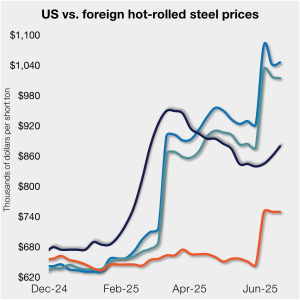
US hot-rolled coil prices crept up again this week but still trail imports from Europe.
US housing starts tumbled in May to a five-year low, according to figures recently released by the US Census Bureau.
The actions, which includes tariffs, are necessary to protect the Canadian market from global overcapacity. They are also needed because other countries have redirected material to Canada as a result of higher US tariffs, Carney said.

Could we see an abrupt shift now that oil prices have spiked higher? Will we see a rebound in the rig count? Will this create a snap-loading effect (think waterski rope), where the industry suddenly does a 180-degree turn? If so, will that bring with it increased demand for steel products used by the energy industry?
Architecture firms reported a modest improvement in billings through May, yet business conditions remained soft, according to the latest Architecture Billings Index (ABI) release from the American Institute of Architects (AIA) and Deltek.
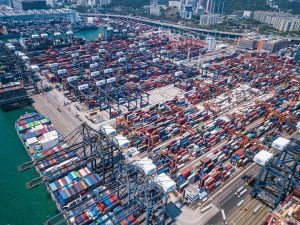
Freight rates have risen $30-$50 on transatlantic cargoes, depending on the final destination.
Earlier this week, SMU polled steel buyers on an array of topics, ranging from market prices, demand, and inventories to imports and evolving market events.

Jeremy Flack of Flack Global Metals weighs in on USS, tariffs, and hedging in today's market.
Getting back to the price increases I mentioned at the top of this article, to what extent are they aimed at raising prices and to what extent are they aimed at stopping the bleeding that was happening in the second half of May, before President Trump announced the 50% tariff?
Steel prices inched higher again this week across most of the sheet and plate products tracked by SMU.

The Mexican government shut down two plants and warehouses operated by US-based LAU Industries.
Trade talks are progressing between the US and the market is contemplating the future of Section 232 tariffs.
Cleveland-Cliffs plans to increase prices for hot-rolled (HR) coil to $950 per short ton (st) with the opening of its July spot order book. The Cleveland-based steelmaker said the price hike was effective immediately in a letter to customers dated Monday.
However, companies are growing more optimistic about the future.
Steel market participants learned that negotiations between the US and Mexico include discussions about Section 232 tariffs on steel and aluminum despite President Trump’s June 3 proclamation increasing the tariffs from 25% to 50% for all steel and aluminum imports—except for those from the UK.
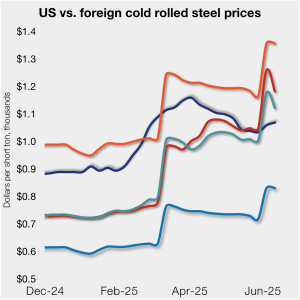
US cold-rolled (CR) coil prices edged up again this week, and most offshore markets moved in the opposite direction. But the diverging price moves stateside vs. abroad did little to impact pricing trends. The bigger impact was from Section 232, which were doubled to 50% as of June 3. The higher tariffs have resulted in […]

In short, when tariffs go up, jobs in consuming industries go down. There is conclusive evidence from past actions: safeguard tariffs in 2002 and Section 232 tariffs in 2018. It is happening again in 2025. The Trump administration wants foreign producers (and US retailers) to absorb tariff increases (except in antidumping cases, where foreign absorption of tariffs is illegal).