
SMU Price Ranges: Sheet and plate drift lower as summer lull continues
Steel prices continued to decline this week across all of the sheet and plate products tracked by SMU, pressured by short lead times and the typical summer slowdown.


Steel prices continued to decline this week across all of the sheet and plate products tracked by SMU, pressured by short lead times and the typical summer slowdown.

Not much to report on from the sleepy HRC futures market in the thick of the summer doldrums with trading volume nearly grinding to a halt.
US sheet and plate prices were flat or lower as reduced import volumes were offset by so-so demand.
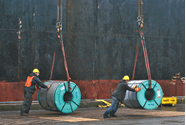
US steel exports rose 10% from April to May but remained low compared to recent years. This came just one month after exports fell to the lowest level recorded in nearly five years.
The volume of raw steel produced by US mills inched higher last week, according to the American Iron and Steel Institute (AISI). After steadily increasing in April and May, domestic mill output stabilized in early June and has remained historically strong since.
SMU’s Steel Buyers’ Sentiment Indices moved in opposite directions this week. After rebounding from a near five-year low in late June, Current Sentiment slipped again. At the same time, Future Sentiment climbed to a four-month high. Both indices continue to show optimism among buyers about their company’s chances for success, but suggest there is less confidence in that optimism than earlier in the year.
Mill lead times for sheet products were steady to slightly longer this week compared to our late June market check, while plate lead times contracted, according to steel buyers responding to this week’s market survey.

Coming out of the holiday market and long weekend, it seems the HRC futures market has caught some post-vacation blues.
Domestic mills are more open to talk price on new orders than they were in June, according to most steel buyers responding to our market survey this week. Negotiation rates have recovered from the early-June lull and are now just a few percentage points shy of the high levels seen late last year.
Sheet and plate prices slipped this week on so-so demand, sideways scrap prices, and chatter that certain mills were making unsolicited calls looking for tons.

We can interpret that managed money still has expectations of price strength while physical participants are running closer to a balance on a net basis.
Steel trade groups praised the passage of the Big Beautiful Bill (BBB) in Congress on Thursday.
Sheet and plate prices were little changed in the shortened week ahead of Independence Day, according to SMU’s latest check of the market.

The Chicago Purchasing Managers Index (PMI) slipped 0.1 points to 40.4 points, in June.
Both of SMU’s Steel Buyers’ Sentiment Indices edged higher this week. Current Sentiment rebounded from a near five-year low, while Future Sentiment rose to a two-month high

After a hot start to June, the CME ferrous derivatives complex has cooled down.
Following the uptick seen two weeks ago, lead times eased this week for all four sheet products tracked by SMU, while plate lead times held steady, according to this week’s market survey.
The majority of steel buyers responding to our latest market survey say domestic mills are more willing to talk price on sheet and plate products than they were earlier this month. Sheet negotiation rates rebounded across the board compared to early June, while our plate negotiation rate hit a full 100%.
Prices for steel sheet slipped this week despite Section 232 tariffs remaining at 50% and a US strike on nuclear facilities in Iran over the weekend.
US housing starts tumbled in May to a five-year low, according to figures recently released by the US Census Bureau.
Could we see an abrupt shift now that oil prices have spiked higher? Will we see a rebound in the rig count? Will this create a snap-loading effect (think waterski rope), where the industry suddenly does a 180-degree turn? If so, will that bring with it increased demand for steel products used by the energy industry?
Architecture firms reported a modest improvement in billings through May, yet business conditions remained soft, according to the latest Architecture Billings Index (ABI) release from the American Institute of Architects (AIA) and Deltek.
Steel prices inched higher again this week across most of the sheet and plate products tracked by SMU.

However, companies are growing more optimistic about the future.
SMU’s Steel Buyers’ Sentiment Indices moved in opposing directions this week. Our Current Steel Buyers’ Sentiment Index sharply fell to one of the lowest levels recorded in five years, while Future Buyers’ Sentiment marginally improved.
Never a dull moment in today's HR futures market.
All five of the averages for sheet and plate mill lead times tracked by SMU extended moderately this week, according to buyers responding to our latest market survey.
Most steel buyers responding to our market survey this week reported that domestic mills are considerably less willing to talk price on sheet products than they were in recent weeks, but remain open to bargain on plate prices.
ArcelorMittal’s (AM) Hamilton location to be shuttered, wire production shifting to Montreal.
Steel prices climbed for a second straight week across all five sheet and plate products tracked by SMU.