Prices
September 21, 2021
SMU Price Ranges & Indices: Uneven Performance for Prices
Written by Brett Linton
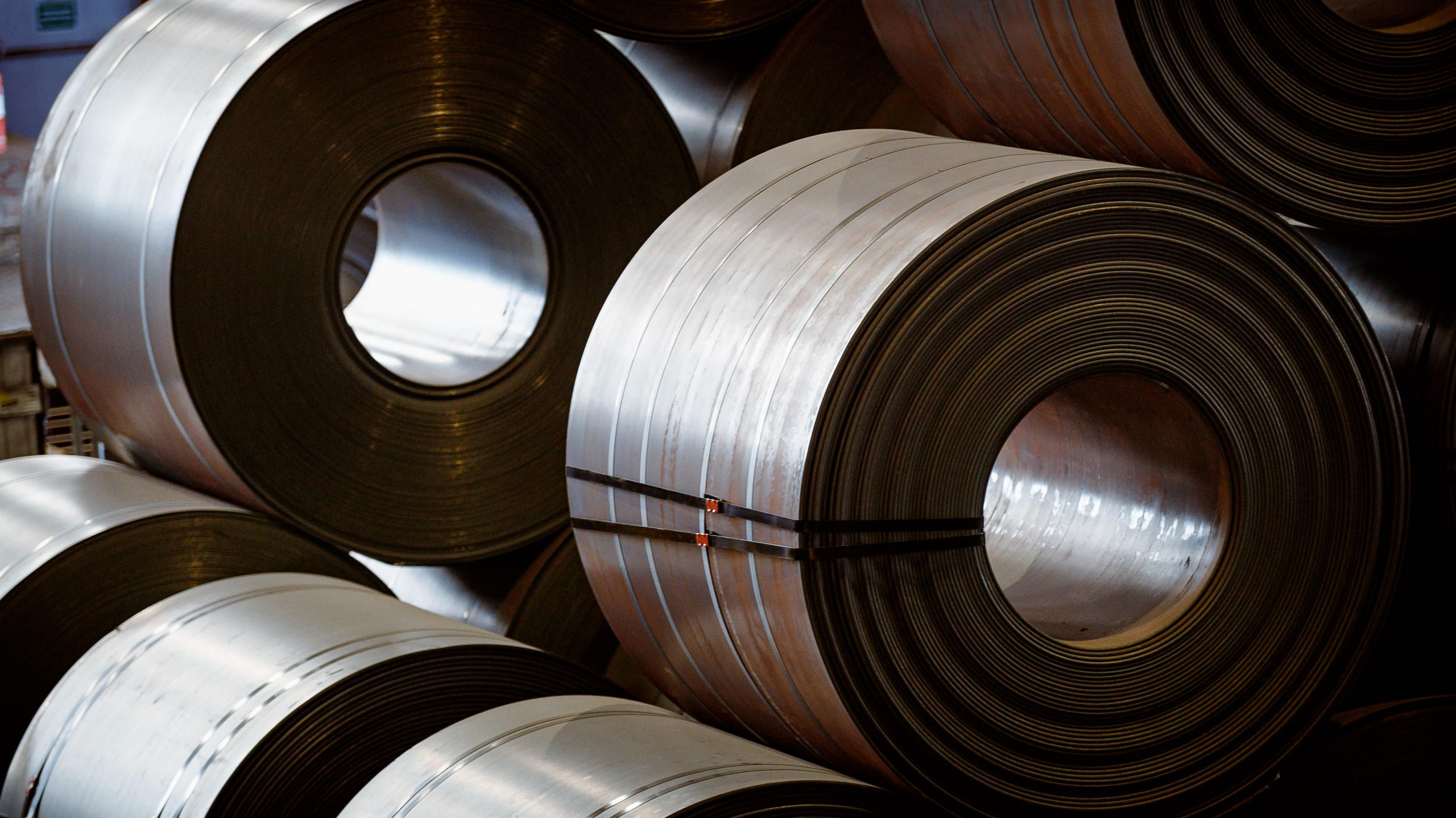
The average hot rolled steel price saw another small dip, based on Steel Market Update’s check of the market this week, but cold rolled and galvanized continued to rise, as the market reacts unevenly to changing conditions. On the supply side, sources report better availability of spot tons from the domestic mills at the same time that thousands of import tons are arriving on U.S. shores. On the demand side, the auto sector remains constrained by the microchip shortage, while service centers report more balanced inventories and more cautious purchasing. It’s too soon to declare that steel prices across the board have turned the corner and are poised to head down. But it’s notable that hot rolled saw its second consecutive decline for the first time in more than a year, albeit a very small -$5 per ton. SMU will keep the Price Momentum Indicators for all products on a Neutral setting until the trends become clear.
Hot Rolled Coil: SMU price range is $1,900-$1,990 per net ton ($95.00-$99.50/cwt) with an average of $1,945 per ton ($97.25/cwt) FOB mill, east of the Rockies. The lower end of our range remained unchanged compared to last week, while the upper end decreased $10 per ton. Our overall average is down $5 per ton from one week ago. Our price momentum on hot rolled steel will remain Neutral until the market establishes a clear direction.