Analysis
November 14, 2023
JSW’s Mingo Junction COO Talks Mill, Market Expansion
Written by Laura Miller
JSW Steel USA’s ongoing investment project at its Mingo Junction mill in Ohio is moving the company forward into new markets and the future.
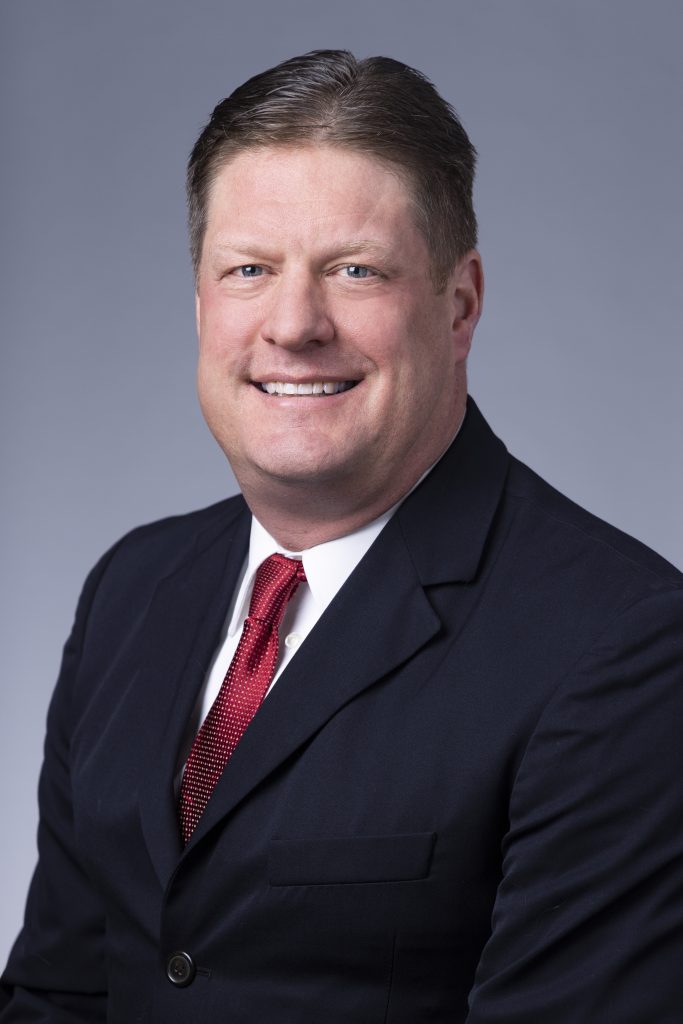
Steel Market Update spoke with Jonathan Shank, the new chief operating officer of Mingo Junction, on what the $145-million project means for the steelmaker.
Recall that JSW Steel USA is a subsidiary of India’s JSW Steel. It operates two mills in the US: the Mingo Junction slab and hot-rolled sheet mill and the Baytown plate and pipe and tube mill in Texas.
JSW’s recently announced investment project will see the installation of a brand-new vacuum tank degasser at Mingo Junction. That’s going to be a whole new step in operations for the mill, Shank told SMU. He said the degasser system will be more environmentally friendly than typical steam systems.
Additionally, the company will upgrade strand two of its caster with dynamic soft reduction and air-mist cooling. The caster upgrades will allow for the production of slabs in thicknesses from 9-12 inches. “The 12-inch slab is going to be an area that’s really going to help us capture some market,” Shank stated.
It was recently announced that JSW is receiving a $500,000 grant from the Ohio Rail Development Commission as part of the investment project to upgrade the Mingo Junction’s rail infrastructure. The track and yard expansions will help to increase the mill’s finished steel and scrap processing capabilities.
While the mill upgrades won’t increase the EAF’s total nameplate capacity of 1.5 million net tons per year, they will push production closer. That’s something JSW is still working towards from both a sales and an operating perspective, Shank noted.
Shank said the company’s commercial team has been seeing significant interest from customers in the marketplace looking for steel to meet the requirements for renewable energy infrastructure projects, such as wind. The mill upgrades will also allow JSW’s Baytown plate mill to capture those markets and growth opportunities, Shank said.
The expansion project “will allow us to grow into some of the markets that we really haven’t been able to entertain yet. It’s a big path forward for us,” Shank told SMU. “We think this is a great opportunity for us to capture a big part of [the renewable energy] market, especially with the made and manufactured in the USA demand.”
A quick look on LinkedIn will reveal that JSW is currently hiring for a number of positions, many of which are related to the mill upgrades. Shank said that a handful of positions have already been filled, but a lot of hiring is still to come in the future.
JSW’s expansion plan is being supported by JobsOhio, a private economic development corporation working to attract, retain, and expand businesses and job opportunities in the state. With the investment project, the steelmaker has committed to creating at least 26 new positions while at the same time retaining 400 positions.
Focused on Mingo Junction’s expansion, Shank said that as the mill’s new COO, his main goal is to ensure the highest-quality steel is made safely and in an environmentally friendly way.
“It definitely looks like the future is bright,” he stated.
JSW’s expansion projects are expected to be completed and commissioned in 2025-26.